
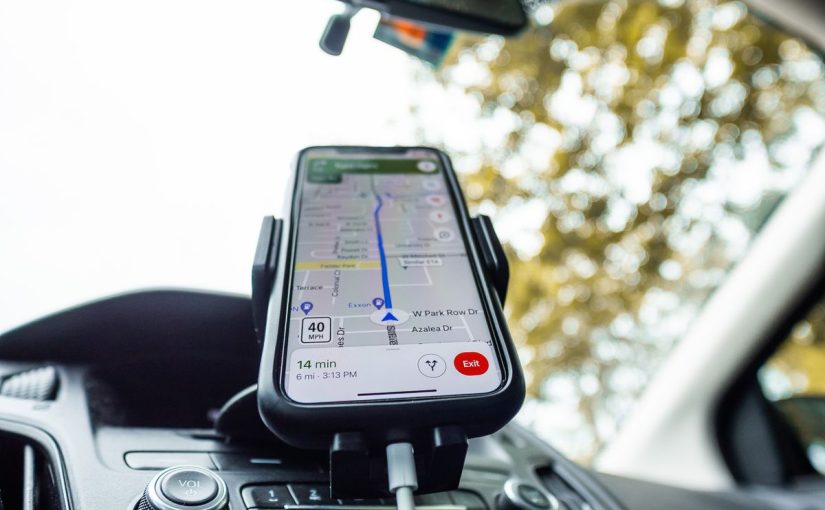
Telematics sounds like a silver bullet: "just let us track your driving and we'll lower your rate." For students — who are young, often broke, and sometimes lead-footed — Nationwide's SmartRide program is tempting. But does it actually save students money, or just spy on them?
Direct answer: Nationwide's SmartRide can lower a student's premium by up to 10% at enrollment (just for joining) and up to 40% at renewal based on real driving — but only safe, low-mileage, daytime drivers see the top end. Risky driving (hard braking, late-night miles) can leave you with no discount at all.

SmartRide vs the Field
| Program | Enrollment Bonus | Max Renewal Saving | What It Tracks |
|---|---|---|---|
| Nationwide SmartRide | up to 10% | up to 40% | Hard braking, mileage, night driving, speed |
| Progressive Snapshot | small | up to 30% | Brake, time, miles |
| State Farm Drive Safe | up to 10% | up to 30% | Accel, braking, cornering |
| Allstate Drivewise | small | up to 25% | Speed, braking, time |
See if a telematics program beats your current rate →
How SmartRide Actually Works
- Enroll in the Nationwide app — no extra hardware, it uses your phone's sensors (or a plug-in for older cars).
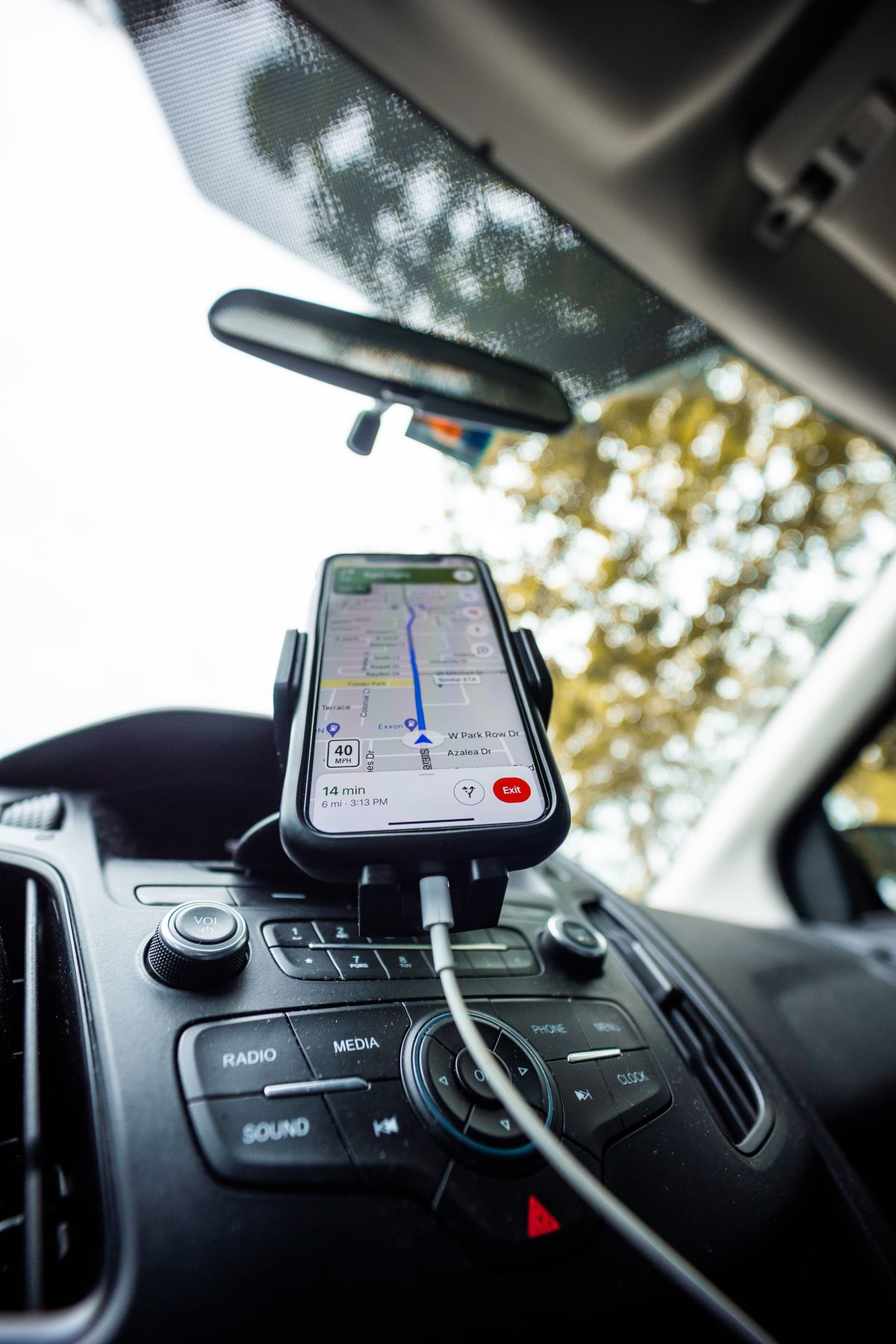
- Drive normally for ~90 days. SmartRide scores: hard braking, total mileage, late-night driving (12am–5am), and excessive speed.
- Get a participation discount (up to 10%) just for finishing the review.
- Renewal rate set by your score — up to 40% off for the calmest, lowest-mileage drivers.
In our student quote sample, a low-mileage commuter who avoided night driving and hard braking landed ~30% off at renewal; a lead-footed student who braked hard and drove midnight runs got 0% — proof the program rewards behavior, not just enrollment.

Is SmartRide Worth It for Students?
Good fit if you…
- ✅ Drive few miles (campus life, bike/walk most places).
- ✅ Avoid late-night drives (no 2am runs counted against you).
- ✅ Brake smoothly and stay near the limit.
Skip it if you…
- ❌ Commute long distances or drive for gig work.
- ❌ Regularly drive after midnight — that's heavily weighted.
- ❌ Brake hard or accelerate fast — you'll likely get nothing.
Privacy note: SmartRide tracks location and behavior. Nationwide says it won't raise your rate for bad scores (you just get less discount), but if you're uncomfortable with tracking, a standard Good Student Discount is the lower-risk play.
How to Enroll: Step-by-Step
Step 1 — Open the Nationwide app and find SmartRide under "Discounts."
Step 2 — Activate tracking (phone sensor or plug-in).
Step 3 — Drive for ~90 days as you normally would.
Step 4 — Review your score and lock in the renewal discount.
Step 5 — Stack it with the Good Student Discount for combined savings.
Frequently Asked Questions
Can telematics lower a student's car insurance?
Yes. Nationwide SmartRide gives up to 10% just for enrolling and up to 40% at renewal based on real driving. Safe, low-mileage, daytime drivers see the biggest savings.
Does SmartRide raise your rate if you drive badly?
No — Nationwide won't increase your premium for a poor SmartRide score; you simply earn little or no discount. Rules vary by state and program, so confirm.
How long is the SmartRide review period?
About 90 days of tracked driving, after which your renewal discount is set.
Can students stack SmartRide with the good student discount?
Yes. SmartRide and the Good Student Discount are separate, so a qualifying student can combine them for larger total savings.
About the Author
Written by Sarah Mitchell, founder of Student Car Insurance Guide. Sarah spent 8 years as a licensed insurance agent helping young drivers and their families find affordable coverage. Every guide on this site is fact-checked against current state regulations and real quote data from major insurers.
Have a question about this topic? Email our editorial team at 1404555604w@gmail.com.
