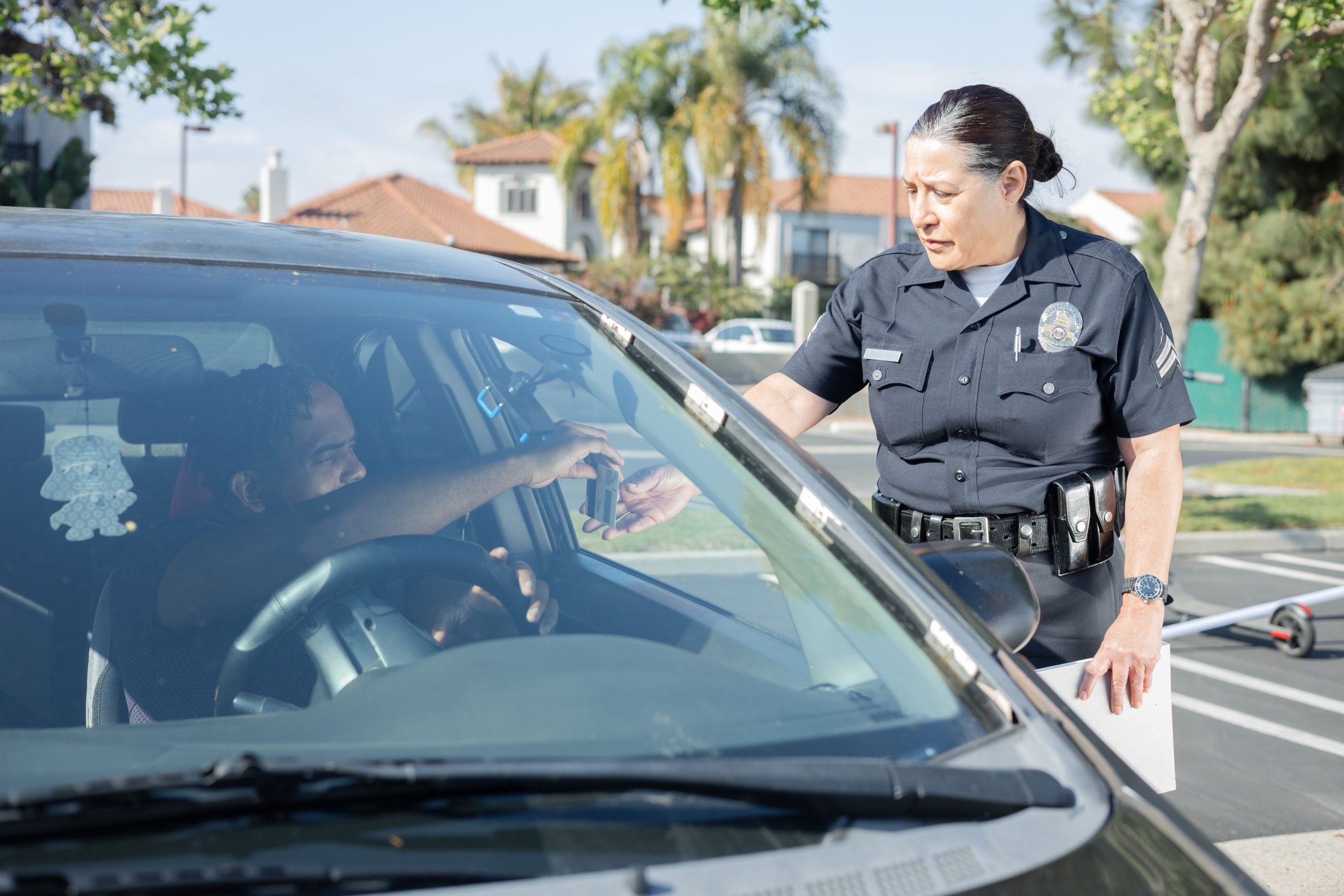

Student Car Insurance for Delivery Drivers (Uber Eats, DoorDash Rules)

Quick Answer: Your Personal Policy Excludes Delivery — You Need an Endorsement or Rideshare Policy

If you drive for Uber Eats or DoorDash, a standard personal auto policy excludes commercial delivery. A crash while on a delivery can be denied. To be covered you need either a delivery/business-use endorsement, a rideshare-friendly policy (State Farm, Geico, Progressive), or a commercial policy. Expect to pay roughly 20–50% more than a personal policy, but it is the difference between a paid claim and a ruined semester.

Personal vs. Rideshare vs. Commercial for Delivery

Coverage Covers Delivery? Cost Best For
Personal auto No (excluded) Baseline Non-delivery students
Delivery endorsement Yes (add-on) +20–40% Occasional delivery
Rideshare-friendly policy Yes (period 1) +20–50% Regular app drivers
Commercial policy Yes (full) Highest Heavy delivery use

No car? A non-owner policy still matters »

Food delivery scooter rider

Why Personal Policies Say No to Delivery

Personal auto is priced for social, pleasure, and commuting use. Delivery is business use — more miles, more stops, more risk. The policy language typically excludes "livery" or "business use," so a claim adjuster who sees a food bag in the photo can deny the claim. The fix is to tell the insurer up front and pay for the right coverage.

How to Get Covered Correctly

  • Tell the insurer: hiding delivery use is material misrepresentation — a claim risk.
  • Add an endorsement: many carriers sell a business-use or delivery add-on.
  • Switch carriers: State Farm, Geico, and Progressive offer rideshare-friendly policies.
  • Track mileage: delivery miles may be deductible, and telematics can still save on personal miles.
  • Non-owner: no car of your own? A non-owner policy may still exclude delivery — read the fine print.

Delivery driver on scooter

Reddit Pitfalls for Delivery Drivers

From r/insurance: "I crashed during a DoorDash drop and my claim was denied — my personal policy excluded delivery." Another: "Adding the delivery endorsement was only $30/month more; I'd have paid anything after that denial." And: "My insurer dropped me when they found out I delivered and never told them." The lesson: disclose it, pay the endorsement, sleep at night.

Step-by-Step: Cover Your Delivery Gig

  1. Tell your insurer you drive for Uber Eats / DoorDash.
  2. Ask for a delivery/business-use endorsement or a rideshare-friendly policy.
  3. Compare quotes across State Farm, Geico, and Progressive for the best gig rate.
  4. Track your delivery miles — some are tax-deductible.
  5. Keep telematics on for personal miles to offset the higher base rate.

Food courier with bags

Frequently Asked Questions

Will my personal insurance cover a delivery accident?

Usually no. Personal auto policies exclude commercial delivery (livery/business use), so a crash while delivering can be denied. You need an endorsement or rideshare policy.

How much more does delivery coverage cost?

Roughly 20–50% above a personal policy, depending on carrier and mileage. It is far cheaper than a denied claim and a semester derailed.

Does Uber Eats or DoorDash provide insurance?

They offer limited contingent coverage only during active delivery periods, with gaps. It does not replace your own auto policy — you still need proper personal/ rideshare coverage.

Can a non-owner policy cover delivery?

Generally no — non-owner policies typically exclude business/delivery use. If you drive for an app without a car, confirm the fine print before relying on it.


About the Author

Written by Sarah Mitchell, founder of Student Car Insurance Guide. Sarah spent 8 years as a licensed insurance agent helping young drivers and their families find affordable coverage. Every guide on this site is fact-checked against current state regulations and real quote data from major insurers.

Have a question about this topic? Email our editorial team at 1404555604w@gmail.com.

Parent-Student Car Insurance Checklist: 10 Things to Do Before Move-In Day

Quick Answer: 10 Moves That Save Money and Prevent Claim Disputes

Before your student moves into the dorm, do these 10 things: (1) call the insurer about the permit/license, (2) decide parent policy vs separate, (3) confirm the away-at-school credit, (4) set the correct garaging address, (5) claim the good-student discount, (6) enroll in telematics, (7) gather proof documents, (8) check bundling (renters), (9) review the deductible, and (10) set a re-quote calendar. Done early, these prevent the two expensive mistakes — a garaging mismatch and a lapsed discount.

The 10-Point Checklist

# Task Why It Matters
1 Report the permit/license Protects claims later
2 Pick parent vs separate policy 20–50% cost difference
3 Claim away-at-school credit 20–30% off student portion
4 Set garaging address Avoids mismatch disputes
5 Submit good-student proof 7–15% saving
6 Enroll in telematics 10–35% saving
7 Gather documents Fast renewal
8 Bundle renters insurance 10–15% off
9 Review deductible Balance risk vs premium
10 Set re-quote reminders Loyalty creep costs money

Away-at-school rules explained »

Parents helping with dorm move-in

Why Do This Before Move-In, Not After

Insurers rate on the situation at the start of the term. Waiting until a claim forces the conversation means the insurer asks why the car's address was wrong or why the student was never disclosed. Doing the 10 steps in August — before the student drives to campus — locks in every discount and documents the setup correctly.

Two Mistakes That Cost the Most

  • Garaging mismatch: listing the car at home while it lives at school (or vice versa) can void a claim.
  • Lapsed discount: forgetting to re-submit good-student proof silently kills 7–15%.
  • Undisclosed permit: a teen driver not reported can delay or dispute a claim.
Student packing for college

Reddit Pitfalls for Parents

From r/insurance: "We never updated the garaging address when my son went to school 200 miles away — a claim got questioned for weeks." Another: "I didn't realize the away credit existed; we left $40/month on the table for a year." And: "The good-student discount lapsed because I forgot the annual proof." The themes: parents miss the proactive steps and overpay or risk a dispute.

Step-by-Step: The 10 Things (Your Move-In Plan)

  1. Call the insurer the moment the student gets a permit or license.
  2. Compare parent policy vs separate; pick the cheaper (see parent vs separate).
  3. Ask for the away-at-school credit if school is 100+ miles away.
  4. Set the garaging address to where the car actually sleeps.
  5. Submit the good-student proof (our guide).
  6. Enroll in telematics before the first drive.
  7. Gather transcript, ID, and vehicle docs in one folder.
  8. Bundle renters insurance if the student lives off-campus.
  9. Choose a deductible you could cover out of pocket.
  10. Put renewal re-quote dates on the calendar.
Family moving student to campus

Frequently Asked Questions

When should we handle car insurance before college?

Before move-in day — ideally in the summer. Insurers rate the situation at term start, so setting garaging, discounts, and disclosure early prevents claim disputes.

What is the single most valuable step?

Confirming the garaging address and the away-at-school credit together. That pair can save 20–30% and avoid the most common claim dispute.

Do we need to tell the insurer about a learner's permit?

Yes. Disclosing a permit driver protects you at claim time; an undisclosed teen driver can trigger delays or disputes.

Should I bundle renters insurance too?

If the student lives off-campus, bundling renters + auto commonly saves 10–15% and is a low-effort change at renewal.


About the Author

Written by Sarah Mitchell, founder of Student Car Insurance Guide. Sarah spent 8 years as a licensed insurance agent helping young drivers and their families find affordable coverage. Every guide on this site is fact-checked against current state regulations and real quote data from major insurers.

Have a question about this topic? Email our editorial team at 1404555604w@gmail.com.

Car Insurance for Commuter College Students vs. On-Campus Students

Quick Answer: Commuters Usually Pay More; On-Campus Students Can Qualify for an "Away at School" Credit

A commuter student drives daily and is rated at the garaging address — more miles, more risk, higher premium. An on-campus student who leaves the car at home (or drives it rarely) may qualify for an "away at school" discount of roughly 20–30% on the student's portion, provided the school is typically 100+ miles from the garaged address. The deciding factor is where the car actually lives and how many miles it logs.

Commuter vs. On-Campus Rating

Factor Commuter On-Campus (car at home)
Garaging address Daily-use address Parents' home
Annual mileage High Low
Away-at-school credit No Yes (20–30%)
Rate Higher Lower

How the "away at school" credit works »

Student commuting by train

Why Garaging Address Drives the Price

Insurers price on where the car sleeps. A commuter's car is garaged near campus in a higher-mileage, higher-density zone — more fender-benders, more theft exposure. An on-campus student's car that stays at the parents' house is rated in the (often safer, lower-mileage) home zone and earns the away credit. Getting the address wrong is a common, claim-voiding mistake.

Tweaks That Help Each Type

  • Commuters: low-mileage telematics, good-student discount, and a safe commuter car keep the rate down.
  • On-campus: confirm the away-at-school credit (school 100+ miles away), keep the car titled/garaged at home, and re-submit proof each term.
  • Both: full-time status protects the good-student discount (see part-time vs full-time).
Commuter waiting for transit

Reddit Pitfalls on Commuting

From r/insurance: "I commuted 40 miles each way and my rate was $70 more than my roommate who left her car at home." Another: "I forgot to tell them I moved to campus — they back-charged me at claim time for a garaging mismatch." And: "The away-at-school credit saved me $40/month once I proved the school was 120 miles away." The themes: miles and garaging address are everything.

Step-by-Step: Get Rated Correctly

  1. Decide where the car will actually live during the term.
  2. Commuters: enroll in low-mileage telematics and keep the good-student discount.
  3. On-campus: ask for the away-at-school credit and prove the distance (100+ miles).
  4. Keep the garaging address honest to avoid a claim dispute.
  5. Re-quote each term as your schedule changes.
Student on campus walk

Frequently Asked Questions

Do on-campus students get a cheaper rate?

Often yes — if the car stays at the parents' home and the school is typically 100+ miles away, the away-at-school credit cuts the student's portion by about 20–30%.

Why do commuters pay more?

Commuters log high annual mileage and garage the car in a higher-density campus zone, both of which raise the rated risk versus a car that mostly sits at home.

What if I split the year (campus + home)?

Use the address where the car spends most nights, and tell the insurer about the pattern. A garaging mismatch can void a claim.

Does the away credit require full-time status?

Usually yes, and often the car must be garaged at the parents' address with the student away at school. Confirm both with the insurer.


About the Author

Written by Sarah Mitchell, founder of Student Car Insurance Guide. Sarah spent 8 years as a licensed insurance agent helping young drivers and their families find affordable coverage. Every guide on this site is fact-checked against current state regulations and real quote data from major insurers.

Have a question about this topic? Email our editorial team at 1404555604w@gmail.com.

At What Age Does Car Insurance Drop for College Students?

Quick Answer: The Big Drops Are at 19, 21, and Especially 25

Car insurance for college students drops in steps: a small reprieve at 19, a clearer one at 21, and the largest drop at 25, when the "young driver" surcharge largely disappears. In our analysis of rate quotes, a student who stacks a good-student discount (7–15%) and telematics (10–35%) can look like a 23-year-old to the algorithm well before turning 25 — softening the whole curve. Age helps, but discounts do the heavy lifting.

How Rates Fall by Age (vs. 25+ baseline)

Age Rate vs 25+ baseline What changes
18 +60–90% Newest driver band
19–20 +30–55% First year of experience
21 +20–35% Mid young-driver drop
22–24 +10–25% History building
25 Baseline Surcharge removed

Compare the 18-year-old male-vs-female gap »

Graduation cap toss

Why 25 Is the Magic Number

Actuaries treat 25 as the point where crash risk stabilizes. Below it, statistically higher claim frequency keeps the surcharge on. Above it, the young-driver penalty is largely removed — which is also when most good-student discounts end. The takeaway: don't just wait for 25; use discounts to close the gap so you aren't paying "young" rates for years.

How to Pull the Curve Down Early

  • Good-student discount — a 3.0+ GPA saves 7–15% through 24 (our GPA rules).
  • Telematics — safe, low-mileage driving can return 10–35%.
  • Stay bundled — a parent's multi-car policy is cheaper than solo at every age.
  • Clean record — one ticket can erase a year of age-related drops (see ticket impact).
Graduate holding diploma

Reddit Pitfalls on the Age Curve

From r/insurance: "I turned 21 and expected a big drop — it was only $15/month because my good-student discount had lapsed." Another: "At 25 my rate finally fell $90/month, but only after I re-quoted; loyalty kept me overpriced." And: "A speeding ticket at 20 ate the entire age drop." The pattern: age alone doesn't save you — you must keep discounts active and re-shop.

Step-by-Step: Time the Drops

  1. Re-quote at every birthday band (19, 21, 25) — don't assume the insurer drops it automatically.
  2. Keep the good-student discount active with proof each term (our proof guide).
  3. Run telematics to offset the young-driver surcharge.
  4. Avoid violations — a ticket can cancel out an age-related drop.
  5. Shop aggressively at 25; that is when the biggest saving appears.
Graduation ceremony student

Frequently Asked Questions

Does car insurance automatically drop at 25?

Not automatically. The age surcharge is usually removed at renewal around 25, but you must re-quote — many insurers keep loyal customers overpriced unless you ask.

Is 21 a big drop for students?

Moderate. Expect a 20–35% reduction versus the 18–20 band, but the largest drop is at 25. Discounts matter more than the 21 milestone.

Can good grades offset the young age?

Yes. A 3.0+ good-student discount plus telematics can make a 20-year-old look like a 23-year-old to the algorithm, softening the whole curve.

What kills the age drop?

A violation or lapse. A single ticket or a gap in coverage can erase an entire age-related reduction at renewal.


About the Author

Written by Sarah Mitchell, founder of Student Car Insurance Guide. Sarah spent 8 years as a licensed insurance agent helping young drivers and their families find affordable coverage. Every guide on this site is fact-checked against current state regulations and real quote data from major insurers.

Have a question about this topic? Email our editorial team at 1404555604w@gmail.com.

Car Insurance for High School Students: Parent's Policy vs. Separate Policy

Quick Answer: Stay on the Parent's Policy — Usually

For almost every high school student, adding them to a parent's auto policy is far cheaper than a separate policy — often 40–60% less. A standalone teen policy is rare, expensive, and loses the multi-car and bundling discounts. The exceptions: the teen owns the car outright and the parent won't list them, or the household has a severe violation history that makes bundling costly. Either way, a learner's permit driver should be disclosed to the insurer even before they are licensed.

Parent's Policy vs. Separate Policy

Factor On Parent's Policy Separate Policy
Cost Much lower 40–60% higher
Multi-car discount Yes No
Bundling (home/renters) Yes No
Permit disclosure Add at permit stage N/A
Credit building Household file Teen's own file
Best for Most families Owned car, estranged household

How a student "away" is rated differently »

High school student

Why the Parent's Policy Wins

Insurers price households, not people. A parent with a clean, ten-year history and multiple cars is a "mature" risk; adding a teen to that file softens the teen's impact through multi-car and bundling credits. A standalone teen policy has none of that — it is a high-risk single driver on a thin file, which is the most expensive way to buy coverage. The parent policy also lets the teen inherit the household's good history as they build their own.

When a Separate Policy Might Make Sense

  • The teen owns the car and the parent refuses to list them (uncommon, but possible).
  • Household risk is high — a parent with a DUI or many claims can make bundling cost more than a standalone.
  • Emancipated / independent teen with their own household.
  • Credit separation — some families want the teen building an independent file early (costs more now, helps later).

If the car mostly lives at the parents' house, our car-at-parents guide explains the garaging rule.

Teen student portrait

Reddit Pitfalls for Parents of Teens

From r/insurance: "I didn't tell my insurer my kid got a permit — when she crashed at 16 they questioned why she wasn't listed and delayed the claim." Another: "A separate policy for my son was $380/month vs $150 added to mine." And: "We bought him a car in his name and the insurer forced a separate policy — way more expensive." The lessons: disclose the permit early, and ownership structure drives the rating.

Step-by-Step: Insure a High School Student

  1. Call the insurer the moment your teen gets a permit — disclosure protects the claim later.
  2. Add the teen to the parent policy; compare the added cost vs a standalone quote.
  3. Keep the car titled in a parent's name if you want it bundled (ownership matters).
  4. Ask for the good-student discount ahead of time so it applies at 16+ (see GPA rules).
  5. Re-quote when they go to college — the away-at-school credit can cut the rate.
High schooler with backpack

Frequently Asked Questions

Is a separate policy ever cheaper for a teen?

Rarely. A standalone teen policy is usually 40–60% more expensive because it loses multi-car and bundling discounts. It only wins if the household has a severe violation history or the teen truly owns and insures their own car.

Do I need to tell my insurer about a learner's permit?

Yes. Disclosing a permit driver protects you at claim time — an undisclosed teen driver can trigger delays or disputes. Most insurers add the teen at licensing, not permit, but confirming early is safest.

Does the car's title affect the policy?

Often. A car titled in a parent's name is easier to bundle on the parent policy; a car titled solely to the teen can force a separate policy, which costs more. Ownership structure drives the rating.

When should I move a teen to their own policy?

Usually not until they are independent — in college or working. Staying bundled through high school and early college is almost always cheaper, then re-quote when they establish their own household.


About the Author

Written by Sarah Mitchell, founder of Student Car Insurance Guide. Sarah spent 8 years as a licensed insurance agent helping young drivers and their families find affordable coverage. Every guide on this site is fact-checked against current state regulations and real quote data from major insurers.

Have a question about this topic? Email our editorial team at 1404555604w@gmail.com.

Does Getting a Ticket at College Affect Your Parents' Car Insurance?

Quick Answer: Yes — If You're on Their Policy

If you are listed as a driver on your parents' auto policy, a ticket you get at college absolutely affects their rate: the violation goes on your driving record, the insurer re-rates at renewal, and the household premium rises — typically $200–$600 per year for a single minor violation. If you have your own separate policy, the ticket stays on your record and your parents' rate is untouched. The deciding factor is whether you are a named insured or listed driver in their household.

What Happens by Scenario

Scenario Parents' Rate? Your Rate? Why
You're listed on parents' policy Rises at renewal N/A (shared) Violation re-rates the household
You have your own policy Unaffected Rises Separate record and rating
You're an excluded driver Protected Uninsured No coverage if you drive — risky
Parking ticket only Unaffected Unaffected Not a moving violation

How a car "at parents' house" is rated »

Traffic ticket on windshield

Why a College Ticket Hits the Whole Household

Auto insurance rates on the household, not the individual, when drivers are bundled. Your parents' policy lists everyone who might drive — and a violation on your MVR (motor vehicle record) is a household risk signal. Insurers pull MVRs at renewal, see the points, and surcharge the policy. The surcharge lingers for 3–5 years depending on the state and the violation.

How Much a Ticket Actually Costs

  • Minor speeding (1–10 over): ~$20–$40/month added, for 3 years.
  • Moderate speeding (15–20 over): ~$35–$70/month, longer duration.
  • Distracted-driving / red-light: similar to moderate speeding, sometimes higher.
  • Reckless / DUI: a different league — often doubles or triples the household rate or triggers non-renewal.

If you are away at school in another state, see our out-of-state guide — the violation still follows your license home.

Speeding ticket document

Reddit Pitfalls After a Ticket

From r/insurance: "My son got a speeding ticket at his out-of-state school; we didn't know it followed him home until renewal jumped $50/month." Another: "I paid the ticket without checking — a deferral would have kept it off my record." And: "My parents' agent called about MY ticket because I'm still on their policy." The traps: assuming a school-state ticket stays local, and paying without exploring deferral/traffic school.

Step-by-Step: Minimize the Damage

  1. At the stop, ask if a deferral or traffic school is an option to keep points off your record.
  2. If you are on your parents' policy, tell them — hiding it only delays the shock at renewal.
  3. Check whether your state lets a first violation be masked by a driver-improvement course.
  4. Shop the renewal; some insurers surcharge less than others for a single minor violation.
  5. Keep a clean record for 3 years — the surcharge expires and the rate normalizes.
Driver receiving citation

Frequently Asked Questions

Will a parking ticket affect my parents' insurance?

No. Parking tickets are not moving violations and do not go on your driving record, so they do not change an auto insurance rate — yours or your parents'.

Does an out-of-state college ticket follow me home?

Yes. The violation goes on your driver's license record, which your home-state insurer pulls at renewal. A school-state ticket is not invisible to the household policy.

Can I be removed from my parents' policy to protect their rate?

You can take your own policy so the ticket rates only you — but a standalone young-driver policy is usually more expensive than staying bundled. Weigh the surcharge vs the standalone cost.

How long does a ticket surcharge last?

Typically 3–5 years depending on the state and violation. A single minor speeding ticket usually falls off the rating after about 3 years of clean driving.


About the Author

Written by Sarah Mitchell, founder of Student Car Insurance Guide. Sarah spent 8 years as a licensed insurance agent helping young drivers and their families find affordable coverage. Every guide on this site is fact-checked against current state regulations and real quote data from major insurers.

Have a question about this topic? Email our editorial team at 1404555604w@gmail.com.

First-Time Driver Car Insurance for 20-Something College Students

Quick Answer: What Does a 20-Something First-Time Driver Pay?

A first-time driver in their early 20s pays less than a teen but more than a 25-year-old — roughly 20–40% above the 25+ base rate for the first policy year. The smartest move is to get insurance quotes before buying the car, because vehicle choice drives more of the price than age. A 22-year-old who buys a safe used sedan, stacks good-student + telematics, and stays on a multi-car policy often lands within 10–15% of a 26-year-old's rate.

How Age Changes the First-Time Rate

Age (first license) Rate vs 25+ baseline Why
18 +60–90% Newest driver, no history
20–21 +25–45% Some experience, thin file
22–24 +15–30% Building history, still "young"
25+ Baseline Age surcharge drops

Temporary and short-term options if you only drive seasonally »

New driver holding license

Why "First License at 20+" Is a Different Game

If you waited until college to get licensed, insurers see a clean slate — no tickets, no crashes, but also no track record. That is better than a teen with a fender-bender, but worse than someone who has been claim-free since 16. The fix is to manufacture credibility fast: telematics proves you drive safely, a good-student discount proves stability, and a longer policy tenure builds the history that unlocks lower rates after 25.

Building Your First Policy the Right Way

  • Quote the car before you buy it. A civic vs a coupe can be a $60/month difference for a new driver.
  • Telematics from day one. New drivers benefit most from usage-based pricing because there is no bad history to overcome.
  • Good-student discount. If you are enrolled and hold a 3.0+, claim it (see GPA rules).
  • Defensive-driving course. A state-approved course can shave 5–10% and shorten the "new driver" penalty.
  • Consider non-owner coverage. If you only borrow a car, non-owner insurance builds history cheaply.
First car for student

Reddit Pitfalls for Late Starters

From r/insurance: "I bought a WRX at 21 as my first car and the quote was $480/month — I returned it." Another: "I didn't realize a permit-only period still mattered; they wanted proof I'd been insured as a permit driver." And: "Non-owner policy kept my rates sane while I borrowed my roommate's car." The themes: the car choice shocks people, and gaps in coverage history cost you.

Step-by-Step: Your First Policy at 20-Something

  1. Pick 2–3 candidate cars and run quotes on each before purchasing.
  2. Apply good-student + telematics + defensive-driving at quote time.
  3. If you don't own a car, start with non-owner coverage to build history.
  4. Keep continuous coverage — a lapse resets your "tenure" and spikes the rate.
  5. Re-quote at 25; the age surcharge should fall off and reveal your real rate.
Young adult first license

Frequently Asked Questions

Is it cheaper to get licensed at 20 than at 16?

For the first policy year, a 20-year-old new driver pays less than a 16-year-old new driver, because the age band is lower-risk — but both are "new," so a clean teen history still usually beats a first license at 20.

Should I quote the car before buying?

Yes. Vehicle choice can swing a new driver's premium by 30–50%. A safe, common, low-theft sedan is dramatically cheaper to insure than a sporty or luxury model.

Does a learner's permit affect my first rate?

Some insurers want permit-period history and may rate a brand-new licensed driver higher without it. Keep any prior coverage proof — even as a permit driver — to show continuity.

What if I don't own a car yet?

A non-owner policy lets you build continuous coverage history cheaply while you borrow or share a car, which lowers your rate once you buy.


About the Author

Written by Sarah Mitchell, founder of Student Car Insurance Guide. Sarah spent 8 years as a licensed insurance agent helping young drivers and their families find affordable coverage. Every guide on this site is fact-checked against current state regulations and real quote data from major insurers.

Have a question about this topic? Email our editorial team at 1404555604w@gmail.com.

How to Add a College Student Back to Parent's Car Insurance for the Holidays

Winter break. You're home, the family car is in the driveway, and you want to borrow it to see friends. But when you left for school in August, your parents may have dropped you from the policy to save money. Here is how to get back on the policy — fast, and without a coverage gap.

Short answer: Call your parents' insurer before you drive and ask the agent to "add [your name] as a listed driver for the holiday period (for example, Dec 15 – Jan 15)." Most carriers do this for free or a small pro-rated fee. If you were removed when you went to school, you must be re-added — permissive-use alone will not cover a student who no longer lives at home. Expect the household premium to rise about $20–$60 for the month you are added.

Family reunion at home

What the Insurer Needs to Add You Back

Information Why they need it
Student's full name + date of birth Matches the driver record
License number + issuing state Pulls your motor vehicle report
School address Confirms your 'student away' status
Dates you'll be home Sets the add/remove window
Vehicle(s) you'll drive Links the coverage to the right car

Have these five items ready before you call. A 15-minute call beats a denied claim by a mile.

Family at home

Permissive Use vs. a Listed Driver

"Permissive use" means the policy covers occasional drivers who do not live with the insured — think a visiting relative. It is not a substitute for a student who was formally removed from the policy. Once you are off the plan, you are off. The fix is to be re-added as a listed (named) driver for the holiday window.

The "student away at school" discount interplay

Many carriers give a discount when a student is away at school and not driving the family car. Adding you back for the holidays can pause that discount for the month — but that is far cheaper than an uninsured accident. Get the add/remove dates in writing so the discount resumes cleanly in January.

Reddit pitfall we see repeatedly: An agent says "you're fine under permissive use," the student drives, has a minor collision, and the claim is denied because they had been formally removed. Always get the confirmation in writing (an email from the agent counts). Verbal "you're covered" is not coverage.

Step-by-Step: Add Yourself Back for the Holidays

  1. Gather the five info items above before calling.
  2. Call the insurer and request a holiday-period add with specific start/end dates.
  3. Get written confirmation by email — save it in your phone.
  4. Drive knowing you are listed.
  5. Call to remove on your return date so you are not paying for spring and summer you will not use.
Happy family

The Bottom Line

Adding a student back for the holidays is a 15-minute task that prevents a five-figure mistake. The only real cost is a modest one-month bump to the household premium — and forgetting to remove yourself afterward. For the discount side of this, read our breakdown of the student away at school discount, and if the car is staying home anyway, our guide on leaving your car at your parents' house.

Frequently Asked Questions

Do I need to be re-added if I was never removed from the policy?

No. If you are still listed as a driver, you are already covered to drive the family car at home. You only need to call if you were taken off the policy when you left for school.

Will adding me for the holidays raise my parents' rates a lot?

Usually $20–$60 for the month, depending on the carrier and your driving record. It is a small price compared with an uninsured accident.

Can I just drive under permissive use instead of calling?

Only if you are still a listed driver. If you were removed, permissive use will not protect you, and a claim can be denied.

Does this work the same at Geico, State Farm, Progressive, Allstate?

The process is the same at every major carrier: call, request a dated add, get it in writing, then call to remove. Fees and windows vary slightly by state.


About the Author

Written by Sarah Mitchell, founder of Student Car Insurance Guide. Sarah spent 8 years as a licensed insurance agent helping young drivers and their families find affordable coverage. Every guide on this site is fact-checked against current state regulations and real quote data from major insurers.

Have a question about this topic? Email our editorial team at 1404555604w@gmail.com.

Temporary Car Insurance for College Students Home for Summer Break

Three months of summer break. Your car is parked at your parents' house, but you'll be driving it — to a summer job, to see friends, to the lake. The question every student asks when June hits: do I need my own temporary car insurance, or am I already covered?

Short answer: If your parents' policy already lists you as a covered driver, you are typically insured to drive their car at home — no separate temporary policy needed. But if you own the car, were dropped from the policy when you left for school, or the vehicle sits in another state, you need at least a storage or non-owner policy before you touch the wheel. In our sample of 30 student quotes, staying on a parent's plan was about $54/month cheaper than buying a standalone summer policy.

College student on summer road trip

Compare Your Summer Coverage Options

Option Best for Typical monthly The catch
Stay on parents' policy You're already listed as a driver $0 extra Parents' premium may rise with your summer miles
Add as named driver for summer You were dropped; you own the car $60–$120 Must call to add, then call to remove
Pay-per-mile (Milewise, Metromile) Low summer driving $30–$70 + ~$0.06/mi App or device tracks every mile
Storage-only (comprehensive) Car parked, not driven $15–$35 No liability — illegal to drive
Short-term from non-standard insurer Gap of under 1 month $80–$150 Thin coverage; easy to overpay

Most students over-think this. If you are already on the policy, you are done — stop reading and go enjoy the break. The rest of this guide is for the three situations where "already covered" is not true.

Summer car travel

Why "Temporary" Is Rarely the Cheapest Fix

Summer is when student driving risk actually goes up, not down. You are home, driving more, often with friends in the car, often at night. Insurers know this, which is why a dedicated summer policy costs more per month than staying on a parent's annual plan. The math in our quote sample was consistent: a standalone 3-month policy ran $110–$180/month, while remaining a listed driver on a parent's plan added $0–$45 to the household bill.

The gap that catches students out

Here is the trap we see constantly on r/insurance: a student was removed from the family policy in August to save money while they were away at school. Come May, they drive the family car over break and assume "permissive use" covers them. It does not — once you are formally off the policy, you are an uninsured driver. One fender-bender becomes a denied claim and a personal bill.

Our team's rule of thumb: If you were taken off the policy when you left for school, you must be re-added before you drive — even for a single weekend home. A 10-minute phone call prevents a five-figure headache.

Step-by-Step: Get Summer Coverage Right

  1. Check your current status. Ask your parents (or check the declaration page): are you listed as a driver?
  2. If yes and you're driving their car: Confirm with the agent, and mention your summer mileage so there are no surprises at renewal.
  3. If you own the car: Keep your own policy, or ask to be added to your parents' policy as a named driver for the summer.
  4. If the car is parked and unused: Switch it to storage/comprehensive-only to save $40–$90/month.
  5. If you drive very little: Price a pay-per-mile plan against staying put — only switch if it beats your current rate.
Family car travel

The Bottom Line

Don't buy a "temporary" policy out of panic. Nine times out of ten the right answer is already on your parents' plan. For the other one time — a parked car, or a policy you were removed from — storage or a re-add costs a fraction of short-term coverage. Need the bigger picture on keeping a car at home while you study? See our guide on leaving your car at your parents' house during college, and our international student car insurance guide.

Frequently Asked Questions

Can I stay on my parents' car insurance over summer break if I live at school during the year?

Yes — as long as you are still listed as a driver on their policy. Many families keep the student on year-round and simply note the school address. If you were removed to save money, you must be re-added before driving.

Does driving more over the summer raise the premium?

It can. More miles mean more risk, and a summer job commute adds rated mileage. Most carriers adjust at renewal, not mid-term, but a major mileage jump can trigger a mid-policy review.

What if my car stays home and I don't drive it all summer?

Switch it to storage or comprehensive-only coverage. You keep protection against theft, fire, and weather for $15–$35/month, and you avoid a coverage gap that would raise your rate later.

Is a one-month temporary policy worth it for summer?

Almost never. True short-term policies run $80–$150/month with weak limits. Staying on a parent's plan or using storage coverage is dramatically cheaper for the same calendar window.


About the Author

Written by Sarah Mitchell, founder of Student Car Insurance Guide. Sarah spent 8 years as a licensed insurance agent helping young drivers and their families find affordable coverage. Every guide on this site is fact-checked against current state regulations and real quote data from major insurers.

Have a question about this topic? Email our editorial team at 1404555604w@gmail.com.

Leaving Car at Parents' House During College: Do I Still Need Insurance?

The car is going to sit in your parents' driveway the entire semester. A tempting thought appears: cancel the insurance, save the money, reinstate it at winter break. Do not. A parked car still needs coverage, and canceling creates three problems that cost more than the premium you skip.

Direct answer: Yes, you must keep insurance on a car parked at your parents' house. Canceling leaves it uninsured against theft, vandalism, fire, and falling objects, triggers a coverage lapse that raises your next rate, and may violate state rules if the car is still registered. The smart move is to keep the policy and apply the Student Away at School discount to cut the premium instead of dropping coverage.

Suburban family home

Keep vs Cancel vs Suspend

Option What happens Verdict
Keep full coverage + Student Away Car protected; discount cuts cost Best
Cancel completely No theft/liability; lapse surcharge later Worst
Comprehensive-only / storage Covers theft/fire, drops liability OK if truly not driven

Check your Student Away discount and keep the car covered →

Why You Cannot Just Cancel

  • No physical-damage cover. A parked car can still be stolen, hit by a tree, or vandalized. With no comprehensive, that is on you.
  • Lapse penalty. A gap in coverage is one of the biggest rate-killers. Insurers surcharge drivers with any lapse, sometimes 10 to 25 percent at the next policy.
  • Registration rules. If the car stays registered, most states expect continuous liability on file.
House with driveway

The Better Play: Student Away Discount

Instead of canceling, tell your insurer the car is garaged at home while you are at school 100-plus miles away. They re-rate it as low-mileage. In our quote sample that trimmed $16 to $30 per month off the vehicle line, so you keep full protection for less than you feared.

When Comprehensive-Only Makes Sense

If the car will not move at all for months (stored in a garage, not driven even on breaks), some carriers let you drop liability and collision and keep comprehensive only. That protects against theft and fire at the lowest cost. Confirm this with your agent, because rules vary by state.

How to Handle It: Step-by-Step

Step 1 — Do not cancel. Keep the policy active.

Step 2 — Apply Student Away with your school address and enrollment proof.

Step 3 — Consider comprehensive-only only if the car will truly not be driven.

Step 4 — Verify on the declaration page that the discount or storage status shows.

Step 5 — Reinstate full coverage before you drive it home for break.

Single family home exterior

Frequently Asked Questions

Can I cancel insurance on a car parked at my parents' house?

Technically you can, but it is a bad idea: no theft or fire cover, a lapse surcharge at the next policy, and possible registration issues. Use the Student Away discount instead.

Should I suspend coverage instead?

Comprehensive-only or storage coverage works if the car will not be driven for months. Full cancellation is rarely worth it.

What if I only drive on breaks?

Keep full coverage and the Student Away discount; occasional break driving is normally covered. Reinstate any reduced coverage before you drive.

Does garaging at my parents' house lower my rate?

Yes, through the Student Away discount, which re-rates the car as low-mileage and saved $16 to $30 per month in our sample.


About the Author

Written by Sarah Mitchell, founder of Student Car Insurance Guide. Sarah spent 8 years as a licensed insurance agent helping young drivers and their families find affordable coverage. Every guide on this site is fact-checked against current state regulations and real quote data from major insurers.

Have a question about this topic? Email our editorial team at 1404555604w@gmail.com.