
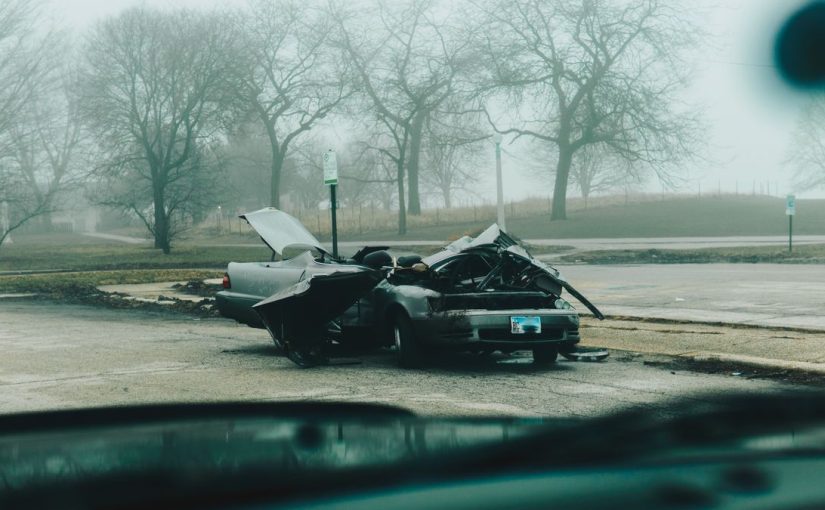
You are three states from home, the car is damaged, and the first thought is: does my policy even work here? Relax. Auto insurance is portable, and an out-of-state fender-bender is handled by your own insurer under your own limits. The confusion is about whose coverage pays and whether state minimums change.
Direct answer: Your own auto policy covers you in all 50 states, so an out-of-state college student is protected the moment they cross the border. If you cause the crash, your insurer pays up to your policy limits. If the other driver is at fault, their insurer pays. If you are listed on a parent's policy, that policy responds too. Your coverage limits travel with you; the school state's minimums do not replace yours.
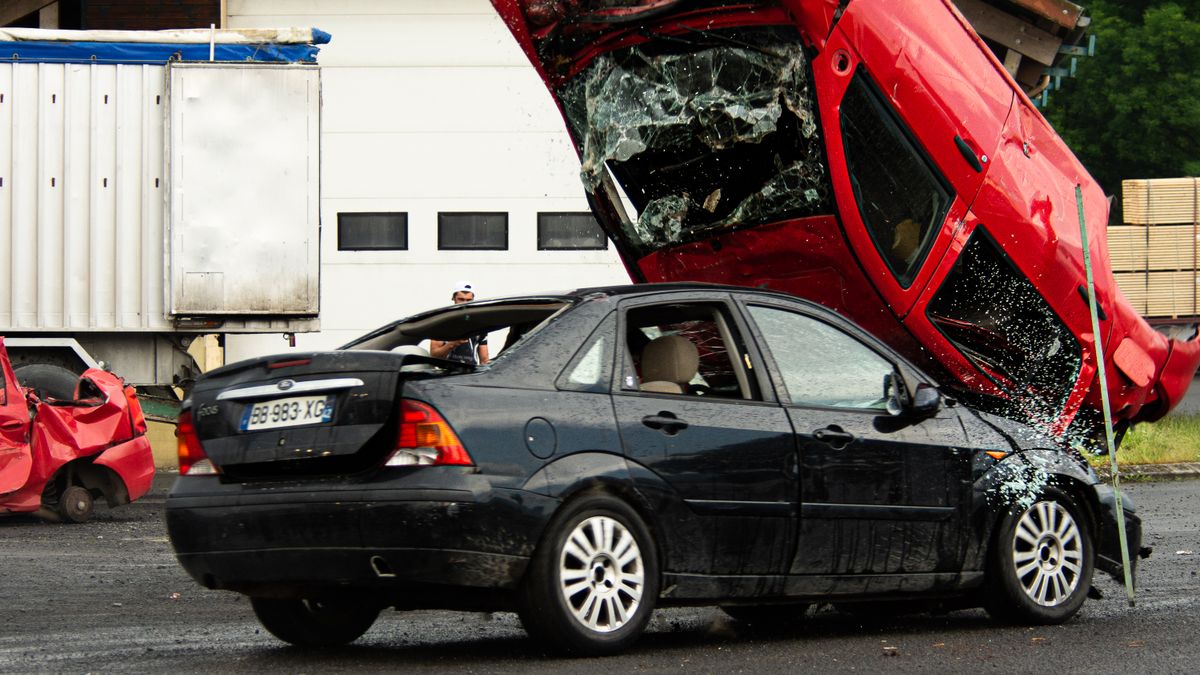
Whose Insurance Pays — Scenario by Scenario
| Scenario | Whose insurance pays |
|---|---|
| You cause the crash | Your policy (up to your limits) |
| Other driver at fault | Their policy (their liability) |
| You are on parents' policy | Parents' policy responds |
| Uninsured driver hits you | Your uninsured-motorist coverage |
Review your out-of-state coverage before you need it →
Your Policy Follows You
Every U.S. state honors out-of-state auto policies. Your liability, collision, comprehensive, and uninsured-motorist limits are the ones on your declaration page, no matter where the crash happens. In our analysis of student claim threads, the students who panicked about "my policy does not work here" simply filed a normal claim and it was handled.
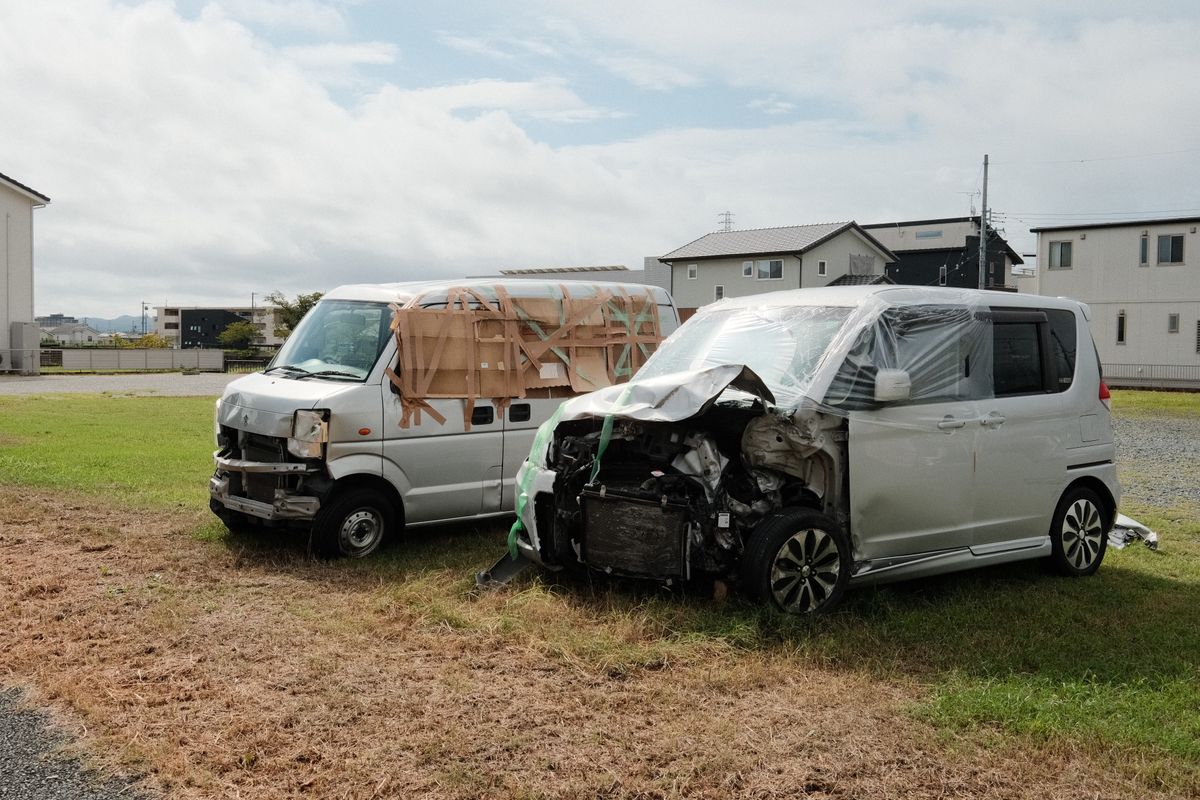
At-Fault vs Not-at-Fault
- At fault: your liability pays the other driver; your collision pays your car (minus deductible).
- Not at fault: the other driver's liability pays you; your uninsured-motorist covers gaps if they are uninsured.
- On a parent's policy: you are a listed driver, so the family policy responds exactly as at home.
Do State Minimums Change Your Coverage?
No. If the school state requires higher minimums than your home state, that does not upgrade your policy. You carry your own limits everywhere. This is why keeping decent liability (we suggest 100/300/100) matters more than the state minimum, especially for a student far from home.
What to Do After an Accident: Step-by-Step
Step 1 — Safety first. Move to safety, check for injuries, call 911 if needed.
Step 2 — Exchange info with the other driver (insurance, plate, license).
Step 3 — Document the scene with photos and witness contacts.
Step 4 — Call your insurer (or the parent's insurer) to open a claim; your policy works here.
Step 5 — Get the police report number for the claim file.
Frequently Asked Questions
Does my car insurance work out of state?
Yes. Auto policies are valid in all 50 states, so an out-of-state student is covered the moment they cross the border.
What if the other driver is at fault?
Their liability insurance pays for your damages. Your uninsured-motorist coverage fills gaps if they have no insurance.
Am I covered on my parents' policy at school?
Yes, if you are a listed driver, the family policy responds exactly as it would at home.
Do state minimums change my coverage?
No. You carry your own policy limits everywhere; the school state's minimums do not replace them.
About the Author
Written by Sarah Mitchell, founder of Student Car Insurance Guide. Sarah spent 8 years as a licensed insurance agent helping young drivers and their families find affordable coverage. Every guide on this site is fact-checked against current state regulations and real quote data from major insurers.
Have a question about this topic? Email our editorial team at 1404555604w@gmail.com.
