
When you’re budgeting for your first car as a student, the purchase price is only half the story. The other half—and often the more expensive half—is insurance. Choosing the right vehicle can save you hundreds, even thousands of dollars annually on your premium. Choosing the wrong one can push your insurance costs beyond what your student budget can handle.
This guide breaks down the best cars for students to insure in 2026, explains why certain vehicles are dramatically cheaper to cover, and gives you a practical checklist for evaluating any car’s insurance cost before you buy.
Why Your Car Choice Has Such a Huge Impact on Insurance
Insurers don’t randomly assign premiums. They evaluate every vehicle based on five key factors:
Safety ratings: Vehicles with high NHTSA and IIHS crash test scores and advanced safety features (automatic emergency braking, lane assist, multiple airbags) cost less to insure because they reduce the severity and cost of claims.
Repair costs: Cars with widely available, affordable replacement parts are cheaper to fix after an accident. Popular domestic and mainstream Japanese brands tend to win here over luxury or niche imports.
Engine size and performance: High-horsepower sports cars signal aggressive driving to insurers. Small, practical engines mean lower risk—and lower premiums.
Vehicle value: More expensive cars cost more to replace if stolen or totaled. Moderately priced vehicles keep comprehensive and collision costs down.
Theft rates: Frequently stolen models carry higher premiums. Always check a vehicle’s theft statistics before committing.
Understanding these factors is the key to picking a car that your wallet—and your insurer—will both appreciate.

The 10 Cheapest Cars for Students to Insure in 2026
Based on analysis of over 190 million insurance quotes, here are the vehicles that offer the lowest average annual premiums—perfect for budget-conscious students:
| Rank | Vehicle | Avg. Annual Premium | Why It’s Cheap |
|---|---|---|---|
| 1 | MINI Cooper | ~$1,730 | Small engine, good safety, low theft rate |
| 2 | Subaru Outback | ~$1,404 | 5-star safety, AWD, family-oriented design |
| 3 | Subaru Forester | ~$1,428 | 5-star safety, practical SUV, low repair cost |
| 4 | Honda CR-V | ~$1,464 | Reliable, affordable parts, high safety rating |
| 5 | Honda Fit | ~$1,356 | Ultra-affordable, cheap to repair, compact |
| 6 | Honda Odyssey | ~$1,536 | Minivan with top safety scores, low risk profile |
| 7 | Mazda CX-5 | ~$1,776 | Mid-size SUV, great safety, reasonable cost |
| 8 | Dodge Caravan | ~$1,224 | Family minivan, cheapest overall (older models) |
| 9 | Ford Ranger | ~$1,536 | Practical pickup, moderate value, solid safety |
| 10 | Fiat 500 | ~$1,440 | Tiny, low-powered, minimal repair cost |
Note: Premiums shown are national averages for drivers with clean records. Student and young-driver rates will be higher—typically 2–3x these figures—but the relative ranking stays consistent. The cheapest car to insure remains the cheapest, regardless of your age.
Why These Specific Cars Win on Insurance Cost
The MINI Cooper: Small But Smart
The MINI Cooper is the overall cheapest car for young drivers to insure. Its small engine keeps it out of the “performance vehicle” risk category, its moderate price means replacement costs aren’t exorbitant, and its strong safety features help reduce claim severity. It’s proof that you don’t need a boring car to get a boring (i.e., low) insurance bill.
Subaru Outback and Forester: Safety Champions
Both Subaru models earn 5-star NHTSA safety ratings and consistently receive IIHS Top Safety Pick awards. Their all-wheel-drive systems, advanced EyeSight driver-assist technology, and strong crash structures make them exceptionally safe—and insurers reward that safety with lower premiums. They’re also classified as family-oriented vehicles, which carries a lower risk profile than sports-oriented models.
Honda Models: The Reliability Advantage
Honda dominates this list with three entries (Fit, CR-V, Odyssey). The reason is simple: Honda vehicles have widely available, affordable replacement parts, excellent reliability records, and strong safety ratings. For insurers, a Honda means fewer expensive claims—and that translates directly into lower premiums for you.
Minivans: The Unexpected Budget Heroes
The Dodge Caravan and Honda Odyssey might not be the most exciting cars on a student’s wish list, but they’re among the cheapest to insure. Insurers associate minivans with careful, family-oriented driving—low risk, low claims frequency, and reasonable repair costs. If you’re purely optimizing for insurance savings, a minivan is hard to beat.
Cars to AVOID as a Student (High Insurance Costs)
Just as important as knowing which cars to buy is knowing which ones to avoid. The following vehicle types typically carry the highest insurance premiums for young drivers:
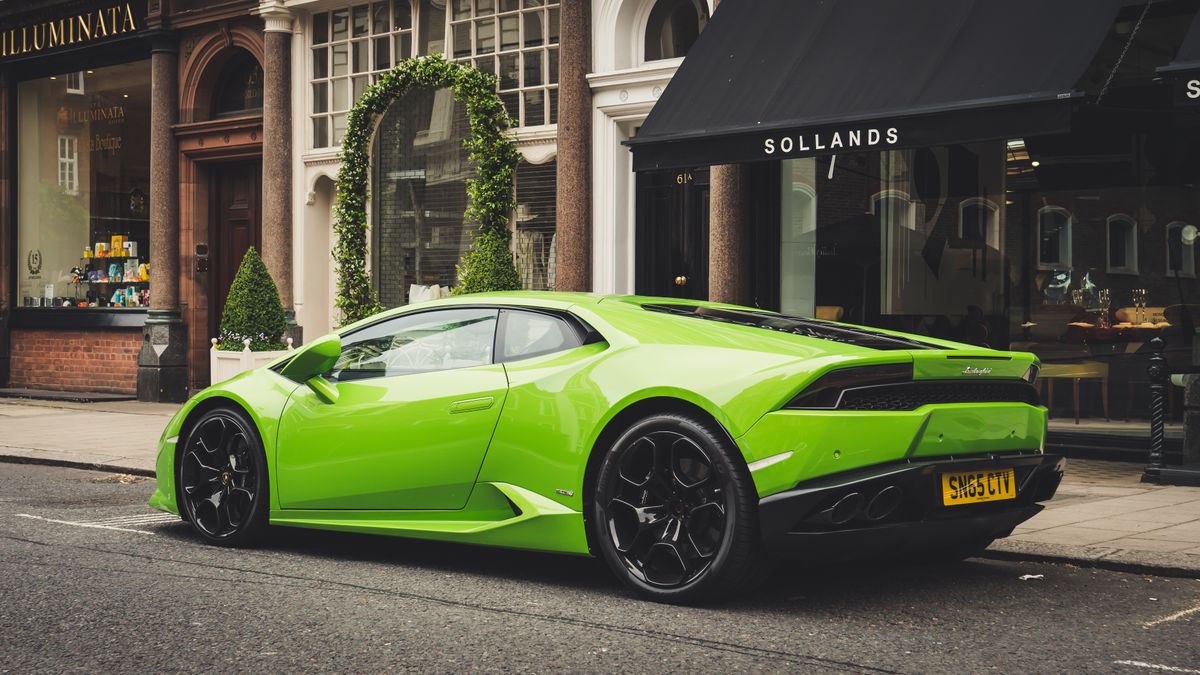
Sports cars and high-performance vehicles (e.g., Mustang GT, BMW M series, Nissan 370Z): High horsepower signals aggressive driving, and insurers price accordingly.
Luxury vehicles (e.g., Mercedes-Benz, Audi, Lexus): Expensive parts, specialized repairs, and high replacement values drive premiums skyward.
Electric vehicles (e.g., Tesla Model 3/S): Despite great safety tech, EVs carry higher insurance because battery replacements and specialized repairs are extremely costly. A Tesla Model S averages ~$2,826/year—over $1,000 more than a MINI Cooper.
Large SUVs and trucks (e.g., Ford F-150 Raptor, Chevy Tahoe): Bigger vehicles can cause more damage in collisions, and their higher values increase comprehensive costs.
Modified vehicles: Any aftermarket modification—from upgraded sound systems to engine tuning—almost always increases your premium and must be declared to your insurer.
How to Evaluate Any Car’s Insurance Cost Before You Buy
Don’t wait until you’ve signed the purchase agreement to find out your insurance is unaffordable. Use this step-by-step process:
Check the insurance group rating. Every vehicle is assigned an insurance group (1–50 in the UK system, or similar classifications in the US). Lower groups = lower premiums. Look up any car you’re considering before visiting the dealership.
Get sample quotes for 3–5 vehicles you’re considering. Use an online comparison tool with your actual details (age, location, driving history). This gives you real numbers, not guesswork.
Compare total cost of ownership. Add up: car price + annual insurance + fuel + maintenance + registration. Most students underestimate insurance by 30–40%. A “cheap” $8,000 sports car with $4,000/year insurance may cost more than a $12,000 Subaru with $2,500/year insurance.
Prioritize safety features. Cars with automatic emergency braking, lane departure warnings, and blind-spot monitoring not only protect you—they actively reduce your insurance premium.
Consider slightly older models (5–10 years). Cars from 2015–2020 typically have modern safety tech but lower market values, meaning cheaper comprehensive and collision coverage. Just verify that parts are still readily available.
The Best Car Brands for Student Insurance Overall
If you’re browsing by brand rather than specific model, these manufacturers consistently offer the lowest average insurance costs:
| Brand | Avg. Annual Full Coverage Premium | Key Advantage |
|---|---|---|
| Subaru | ~$1,524 | Top safety ratings, AWD standard, family-oriented models |
| MINI | ~$1,560 | Small engines, low theft, fun but practical |
| Mazda | ~$1,776 | Good safety, affordable mid-range vehicles |
| Honda | ~$1,812 | Reliability, cheap parts, strong safety |
| Ford | ~$1,740 | Wide range of practical, affordable models |
Subaru takes the top spot as the cheapest brand to insure overall, thanks to its consistent 5-star safety ratings, standard all-wheel-drive, and reputation for responsible, family-oriented driving.
Practical Tips: Lowering Insurance on ANY Car
Even if you end up with a car that’s not on the “cheapest to insure” list, you can still reduce your premium significantly with these strategies:
Stay on your parents’ policy as a named secondary driver—typically saves 50% or more vs. a standalone policy
Apply for the good student discount (GPA 3.0+)—10–35% off
Use telematics/black box insurance—up to 30–40% savings for safe, low-mileage drivers
Bundle auto + renters insurance—up to 25% off both
Choose a higher deductible ($1,000 vs. $500)—reduces monthly costs meaningfully
Pay annually instead of monthly—avoid the 10–15% interest surcharge on monthly billing
Park securely—garaged or monitored parking can reduce comprehensive costs
Shop around every year—get 3–5 quotes at each renewal; loyalty rarely pays
Summary: Your Car-Buying Decision Framework
Before you sign for any car, run it through this simple framework:
✅ Is it in a low insurance group? Check before you shop.
✅ Does it have strong safety ratings? 5-star NHTSA = lower premiums.
✅ Are parts cheap and widely available? Honda, Subaru, Ford = yes. Luxury brands = no.
✅ Is the engine small and practical? Under 2.0L is ideal for students.
✅ Have I gotten real insurance quotes? Not estimates—actual quotes with your details.
✅ Is total cost of ownership within budget? Car price + insurance + fuel + maintenance.
The smartest student drivers don’t just buy the cheapest car on the lot. They buy the car that’s cheapest to own—and insurance is the biggest variable in that equation. Choose wisely, and you’ll keep more money in your pocket for the things that actually matter during your student years.
About the Author
Written by Sarah Mitchell, founder of Student Car Insurance Guide. Sarah spent 8 years as a licensed insurance agent helping young drivers and their families find affordable coverage. Every guide on this site is fact-checked against current state regulations and real quote data from major insurers.
Have a question about this topic? Email our editorial team at 1404555604w@gmail.com.
