

A dead battery before an 8 a.m. exam. A flat tire in a campus parking garage. Running out of gas on the way home. Every student who drives will face a breakdown eventually -- the question is whether you have a plan. Roadside assistance sounds simple, but the options (your insurer, AAA, your credit card, even your car's manufacturer) work very differently. This guide compares them so you can choose without overpaying.
What Roadside Assistance Covers
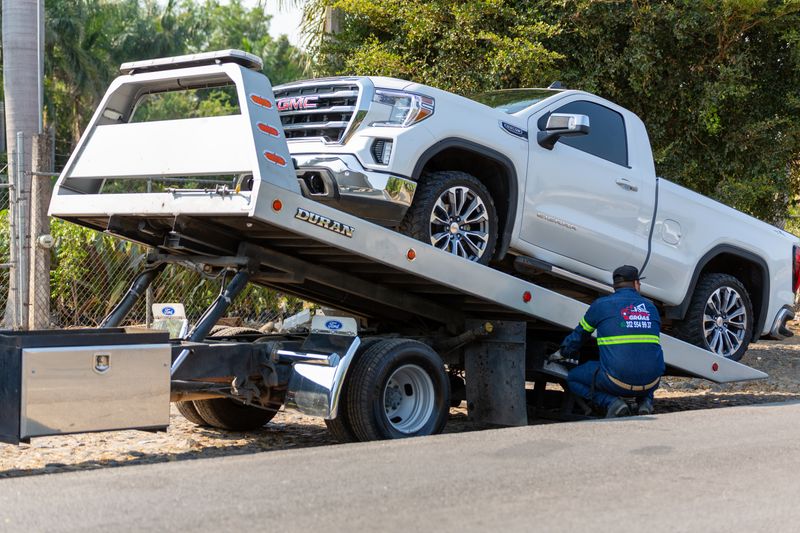
Most plans cover non-crash emergencies. Typical services include:
- Towing to the nearest repair shop (distance limits apply)
- Jump-starts for a dead battery (not the battery replacement)
- Fuel delivery when you run dry (you usually pay for the fuel)
- Lockout help if you lock the keys inside
- Flat-tire change using your spare
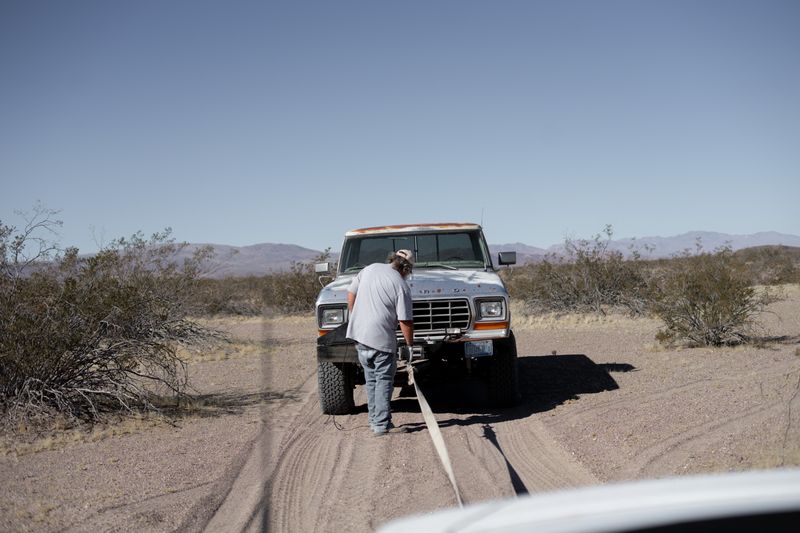
- Winching if you slide into a ditch or snow
What it does not cover: the actual parts (new battery, new tire), accident recovery, routine maintenance, or repairs. If you need a $200 battery, roadside help gets you started but you still buy the battery.

The Four Ways to Get It
There are four main sources in the U.S., and the biggest difference is whether coverage follows the car or the driver.
1. Insurance Company Add-On
Added to your auto policy for about $10-$25 per year ($1-$2 a month). Examples: State Farm $12-$18, GEICO $14-$20, Progressive $15-$25, Allstate $16-$24, USAA $10-$15. Towing is limited to 15-25 miles. The catch: it follows the vehicle, not you -- and multiple claims in a year can affect your record.
2. AAA Membership
| Tier | Annual Fee | Tow Distance |
|---|---|---|
| Basic | $64-$83 | 5 miles |
| Plus | $104-$124 | 100 miles |
| Premier | $133-$164 | 200 miles |
AAA follows the driver, so it covers you in any car -- your own, a friend's, or a rental. New members may face a 24-72 hour waiting period. AAA Plus is the sweet spot for most students who drive older cars or take road trips.

3. Credit Card Benefits
Many travel and premium cards include roadside help at no extra cost (the annual card fee is the only cost). Coverage is usually 5-10 miles, reimbursement-based (you pay upfront, get repaid in 2-6 weeks, capped around $50-$100 per call). Examples: Amex Platinum, Chase Sapphire Reserve, Capital One Venture X. Great as a backup, weak as your only plan.
4. Manufacturer / Connected-Car
If you drive a newer car (typically under 3-5 years), the maker may include free roadside assistance -- Toyota, Honda, Hyundai, BMW, Tesla, and others. It follows the vehicle and expires with the warranty. Check your owner's manual before paying for anything else.
On-Demand Apps: The Pay-As-You-Go Option
Apps like Urgent.ly, Blink, and Honk connect you to a provider with no annual fee -- you pay per incident, often $50-$150 for a tow depending on distance. If you rarely break down and hate subscriptions, this can beat a yearly membership. Some phone carriers also offer it: AT&T charges $2.99/month per line (up to 4 calls/year, $75 per incident); Verizon $59.88/year per line.
Which Should a Student Choose?
| Your Situation | Best Choice | Yearly Cost |
|---|---|---|
| New car (< 3 years) | Manufacturer free + insurance add-on backup | ~$15-$25 |
| Older car (7+ years) | AAA Plus | $104-$124 |
| Mostly city driving | Insurance add-on | $10-$25 |
| Frequent road trips | AAA Premier | $133-$164 |
| Tight budget | Insurance add-on alone | $10-$25 |
| Already have a premium card | Credit card as backup | $0 extra |

Money-Saving Tips for Students
- Check free coverage first. If your car is new, or you carry a premium credit card, you may already be covered.
- Add it to your insurance if you are on a parent's policy -- it is often just a few dollars a year.
- Keep your student ID handy -- some AAA regions offer student rates.
- Carry a spare, jumper cables, and a gas can so a small problem never becomes a paid call.
The Bottom Line
For most college students, the insurance add-on at $10-$25 a year is the smart starting point -- cheap, automatic, and enough for typical campus breakdowns. If you drive an older car or take road trips, step up to AAA Plus. And never pay twice: check your manufacturer warranty and credit card perks before buying anything. The goal is simple -- when you are stranded at 2 a.m., someone shows up, and you are not hit with a $300 surprise tow bill.
About the Author
Written by Sarah Mitchell, founder of Student Car Insurance Guide. Sarah spent 8 years as a licensed insurance agent helping young drivers and their families find affordable coverage. Every guide on this site is fact-checked against current state regulations and real quote data from major insurers.
Have a question about this topic? Email our editorial team at 1404555604w@gmail.com.
