

Quick Answer: Yes — If You're on Their Policy
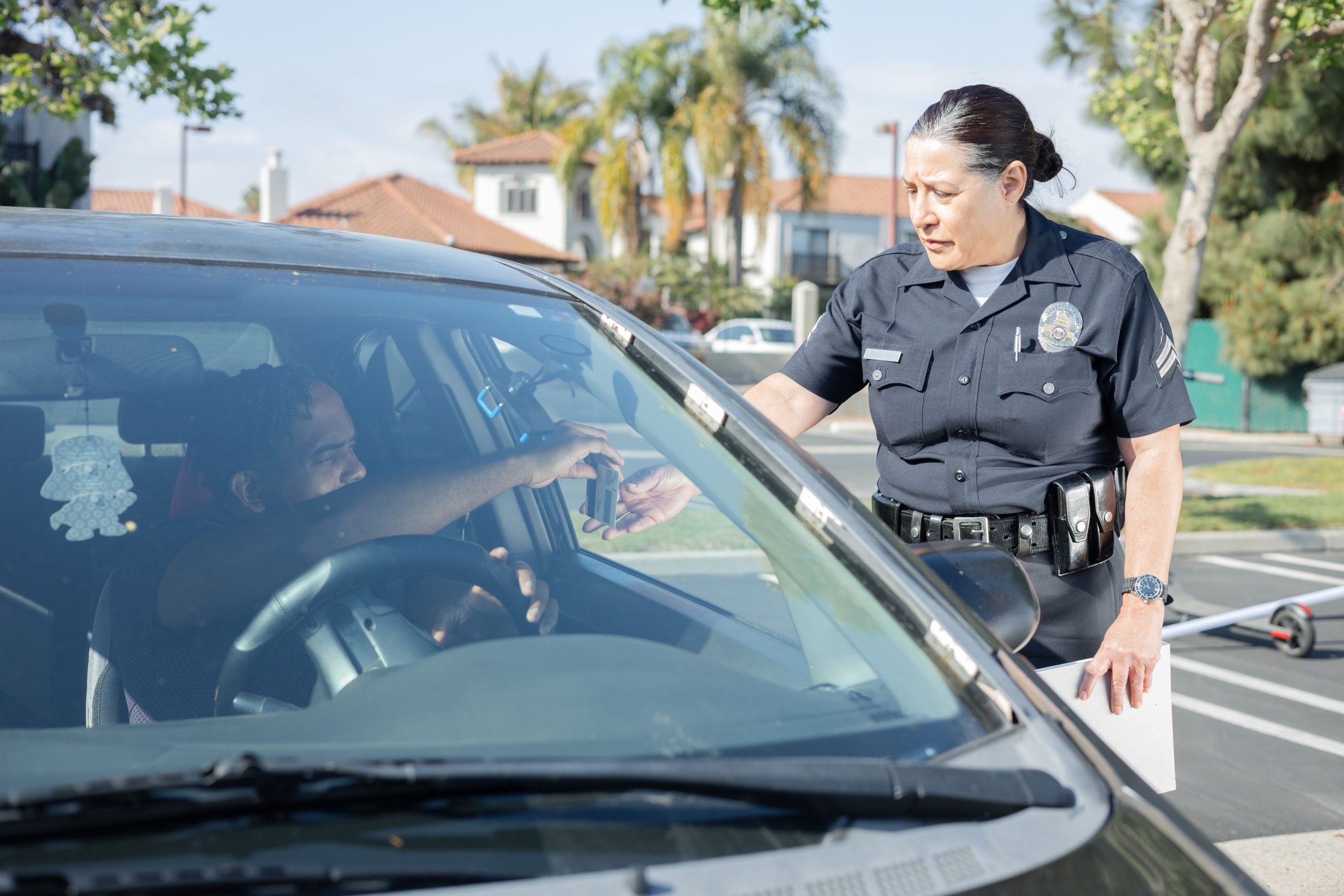
If you are listed as a driver on your parents' auto policy, a ticket you get at college absolutely affects their rate: the violation goes on your driving record, the insurer re-rates at renewal, and the household premium rises — typically $200–$600 per year for a single minor violation. If you have your own separate policy, the ticket stays on your record and your parents' rate is untouched. The deciding factor is whether you are a named insured or listed driver in their household.
What Happens by Scenario
| Scenario | Parents' Rate? | Your Rate? | Why |
|---|---|---|---|
| You're listed on parents' policy | Rises at renewal | N/A (shared) | Violation re-rates the household |
| You have your own policy | Unaffected | Rises | Separate record and rating |
| You're an excluded driver | Protected | Uninsured | No coverage if you drive — risky |
| Parking ticket only | Unaffected | Unaffected | Not a moving violation |
How a car "at parents' house" is rated »

Why a College Ticket Hits the Whole Household
Auto insurance rates on the household, not the individual, when drivers are bundled. Your parents' policy lists everyone who might drive — and a violation on your MVR (motor vehicle record) is a household risk signal. Insurers pull MVRs at renewal, see the points, and surcharge the policy. The surcharge lingers for 3–5 years depending on the state and the violation.
How Much a Ticket Actually Costs
- Minor speeding (1–10 over): ~$20–$40/month added, for 3 years.
- Moderate speeding (15–20 over): ~$35–$70/month, longer duration.
- Distracted-driving / red-light: similar to moderate speeding, sometimes higher.
- Reckless / DUI: a different league — often doubles or triples the household rate or triggers non-renewal.
If you are away at school in another state, see our out-of-state guide — the violation still follows your license home.
Reddit Pitfalls After a Ticket
From r/insurance: "My son got a speeding ticket at his out-of-state school; we didn't know it followed him home until renewal jumped $50/month." Another: "I paid the ticket without checking — a deferral would have kept it off my record." And: "My parents' agent called about MY ticket because I'm still on their policy." The traps: assuming a school-state ticket stays local, and paying without exploring deferral/traffic school.
Step-by-Step: Minimize the Damage
- At the stop, ask if a deferral or traffic school is an option to keep points off your record.
- If you are on your parents' policy, tell them — hiding it only delays the shock at renewal.
- Check whether your state lets a first violation be masked by a driver-improvement course.
- Shop the renewal; some insurers surcharge less than others for a single minor violation.
- Keep a clean record for 3 years — the surcharge expires and the rate normalizes.

Frequently Asked Questions
Will a parking ticket affect my parents' insurance?
No. Parking tickets are not moving violations and do not go on your driving record, so they do not change an auto insurance rate — yours or your parents'.
Does an out-of-state college ticket follow me home?
Yes. The violation goes on your driver's license record, which your home-state insurer pulls at renewal. A school-state ticket is not invisible to the household policy.
Can I be removed from my parents' policy to protect their rate?
You can take your own policy so the ticket rates only you — but a standalone young-driver policy is usually more expensive than staying bundled. Weigh the surcharge vs the standalone cost.
How long does a ticket surcharge last?
Typically 3–5 years depending on the state and violation. A single minor speeding ticket usually falls off the rating after about 3 years of clean driving.
About the Author
Written by Sarah Mitchell, founder of Student Car Insurance Guide. Sarah spent 8 years as a licensed insurance agent helping young drivers and their families find affordable coverage. Every guide on this site is fact-checked against current state regulations and real quote data from major insurers.
Have a question about this topic? Email our editorial team at 1404555604w@gmail.com.
