Quick Answer: Your Personal Policy Excludes Delivery — You Need an Endorsement or Rideshare Policy
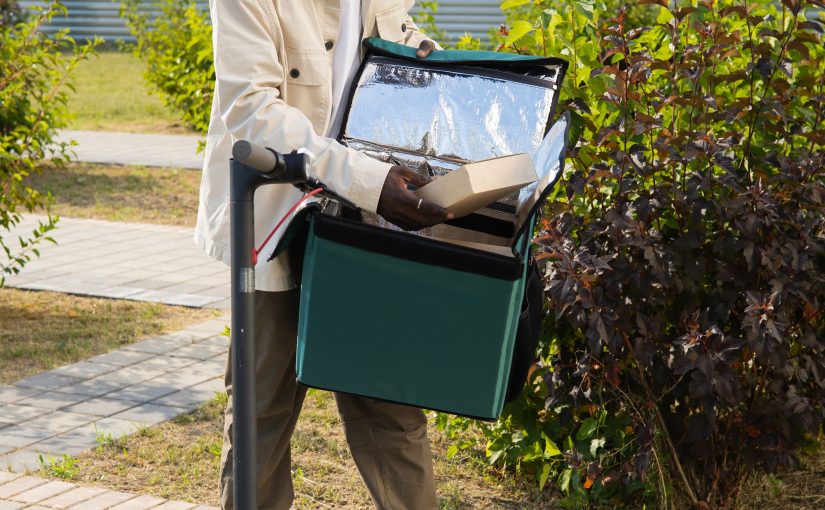
If you drive for Uber Eats or DoorDash, a standard personal auto policy excludes commercial delivery. A crash while on a delivery can be denied. To be covered you need either a delivery/business-use endorsement, a rideshare-friendly policy (State Farm, Geico, Progressive), or a commercial policy. Expect to pay roughly 20–50% more than a personal policy, but it is the difference between a paid claim and a ruined semester.
Personal vs. Rideshare vs. Commercial for Delivery
| Coverage | Covers Delivery? | Cost | Best For |
|---|---|---|---|
| Personal auto | No (excluded) | Baseline | Non-delivery students |
| Delivery endorsement | Yes (add-on) | +20–40% | Occasional delivery |
| Rideshare-friendly policy | Yes (period 1) | +20–50% | Regular app drivers |
| Commercial policy | Yes (full) | Highest | Heavy delivery use |
No car? A non-owner policy still matters »
Why Personal Policies Say No to Delivery
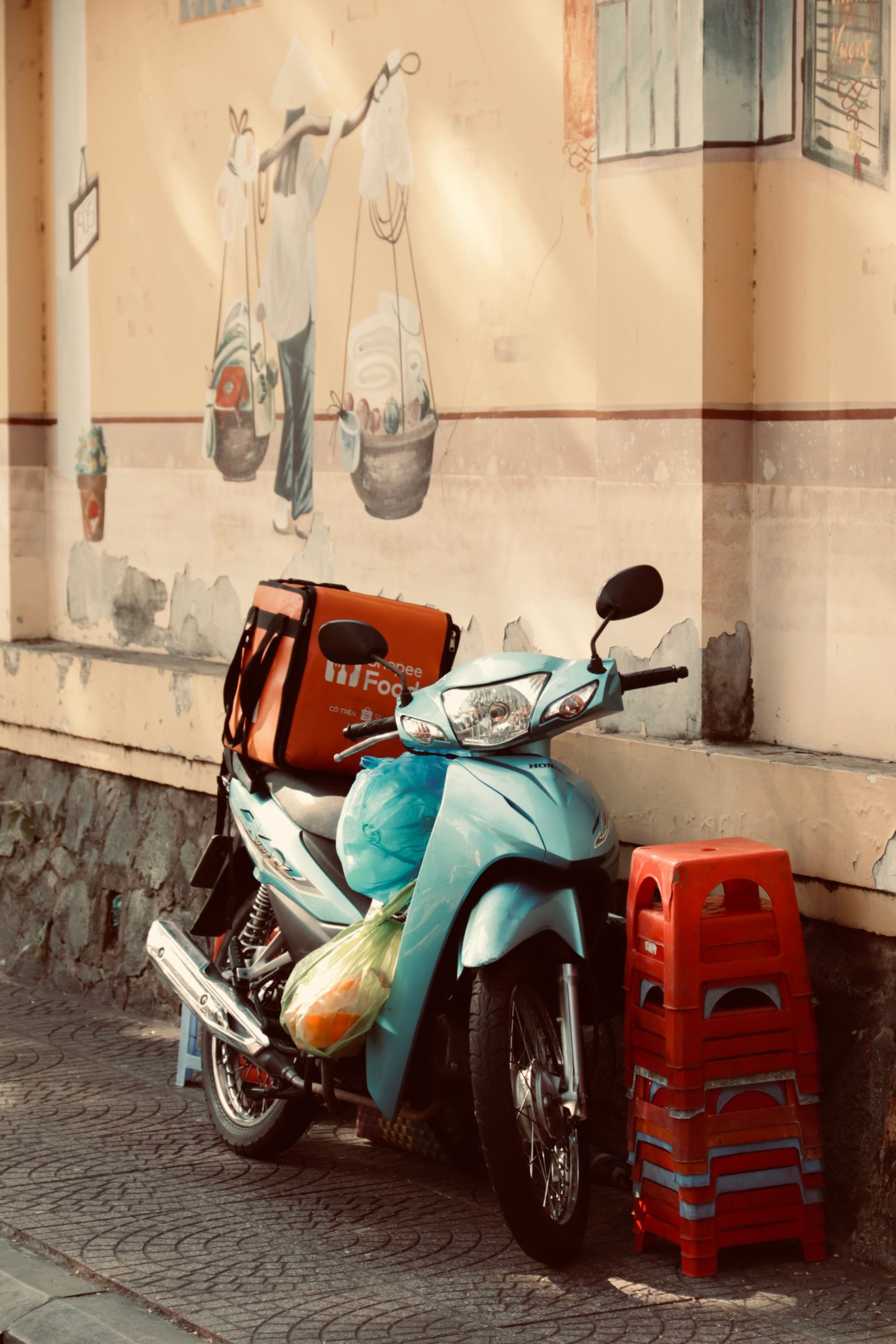
Personal auto is priced for social, pleasure, and commuting use. Delivery is business use — more miles, more stops, more risk. The policy language typically excludes "livery" or "business use," so a claim adjuster who sees a food bag in the photo can deny the claim. The fix is to tell the insurer up front and pay for the right coverage.
How to Get Covered Correctly
- Tell the insurer: hiding delivery use is material misrepresentation — a claim risk.
- Add an endorsement: many carriers sell a business-use or delivery add-on.
- Switch carriers: State Farm, Geico, and Progressive offer rideshare-friendly policies.
- Track mileage: delivery miles may be deductible, and telematics can still save on personal miles.
- Non-owner: no car of your own? A non-owner policy may still exclude delivery — read the fine print.
Reddit Pitfalls for Delivery Drivers
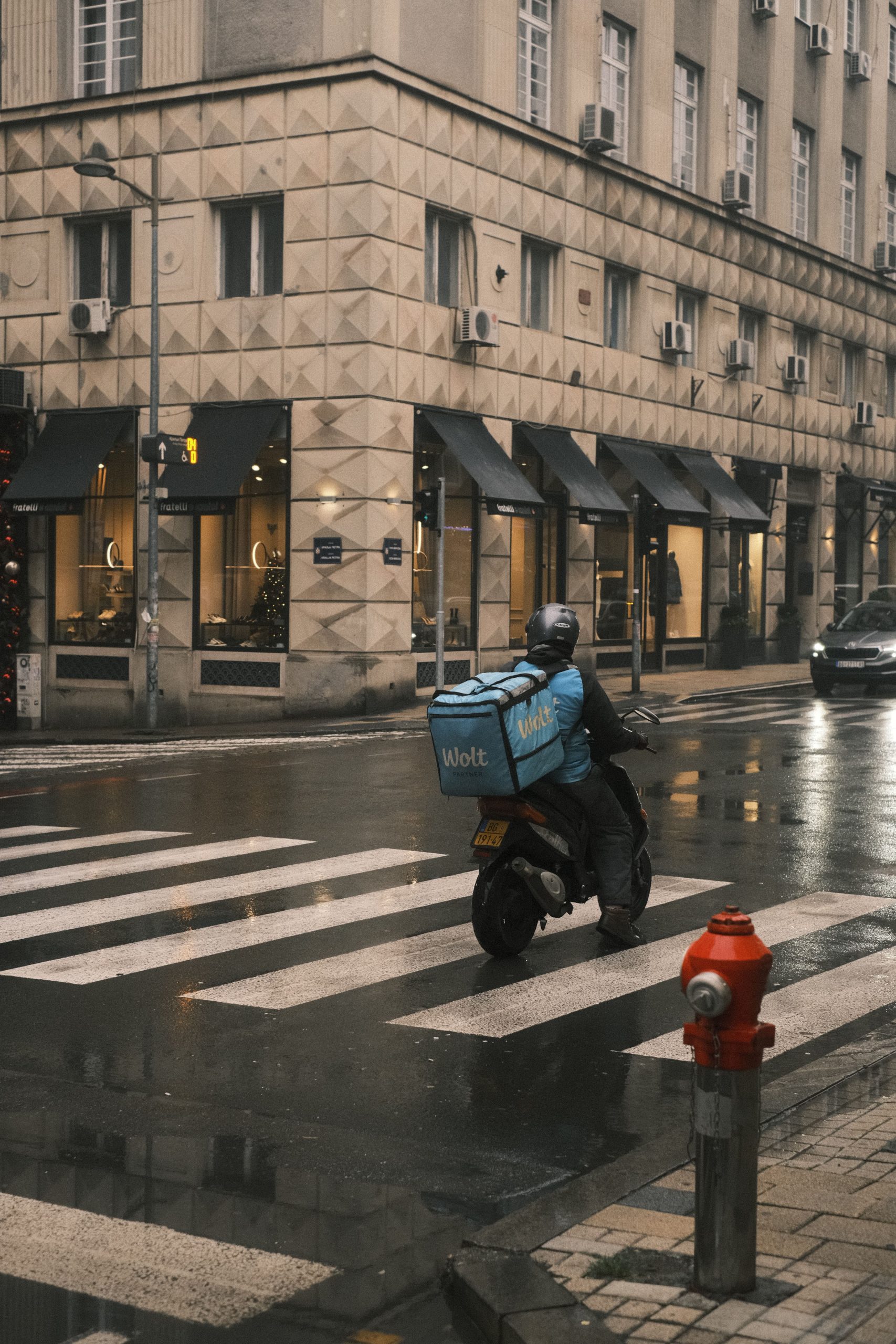
From r/insurance: "I crashed during a DoorDash drop and my claim was denied — my personal policy excluded delivery." Another: "Adding the delivery endorsement was only $30/month more; I'd have paid anything after that denial." And: "My insurer dropped me when they found out I delivered and never told them." The lesson: disclose it, pay the endorsement, sleep at night.
Step-by-Step: Cover Your Delivery Gig
- Tell your insurer you drive for Uber Eats / DoorDash.
- Ask for a delivery/business-use endorsement or a rideshare-friendly policy.
- Compare quotes across State Farm, Geico, and Progressive for the best gig rate.
- Track your delivery miles — some are tax-deductible.
- Keep telematics on for personal miles to offset the higher base rate.
Frequently Asked Questions
Will my personal insurance cover a delivery accident?
Usually no. Personal auto policies exclude commercial delivery (livery/business use), so a crash while delivering can be denied. You need an endorsement or rideshare policy.
How much more does delivery coverage cost?
Roughly 20–50% above a personal policy, depending on carrier and mileage. It is far cheaper than a denied claim and a semester derailed.
Does Uber Eats or DoorDash provide insurance?
They offer limited contingent coverage only during active delivery periods, with gaps. It does not replace your own auto policy — you still need proper personal/ rideshare coverage.
Can a non-owner policy cover delivery?
Generally no — non-owner policies typically exclude business/delivery use. If you drive for an app without a car, confirm the fine print before relying on it.
About the Author
Written by Sarah Mitchell, founder of Student Car Insurance Guide. Sarah spent 8 years as a licensed insurance agent helping young drivers and their families find affordable coverage. Every guide on this site is fact-checked against current state regulations and real quote data from major insurers.
Have a question about this topic? Email our editorial team at 1404555604w@gmail.com.
