

Quick Answer: Pay-Per-Mile Pays Off Only If You Drive Very Little — MileAuto Is Simpler, Metromile Deeper
Pay-per-mile insurance makes sense for students who drive under ~50–100 miles a week (think on-campus students whose car mostly sits). Between the two, MileAuto is the simpler choice — it uses your phone's GPS to log miles automatically, no hardware. Metromile (now part of Farmers) uses a plug-in device and offers a richer app and broader feature set. Both charge a low base rate plus a per-mile fee; the savings come entirely from low mileage.
Metromile vs. MileAuto for Students
| Factor | MileAuto | Metromile (Farmers) |
|---|---|---|
| Mileage tracking | Phone app (automatic) | Plug-in device + app |
| Hardware needed | No | Yes (OBD-II device) |
| Base rate | Low | Low |
| Per-mile fee | ~6–10 cents (varies) | ~6–10 cents (varies) |
| Best for | Simplicity, no install | Data-rich, feature depth |
Commuter vs on-campus driving matters here »
Who Actually Saves with Pay-Per-Mile
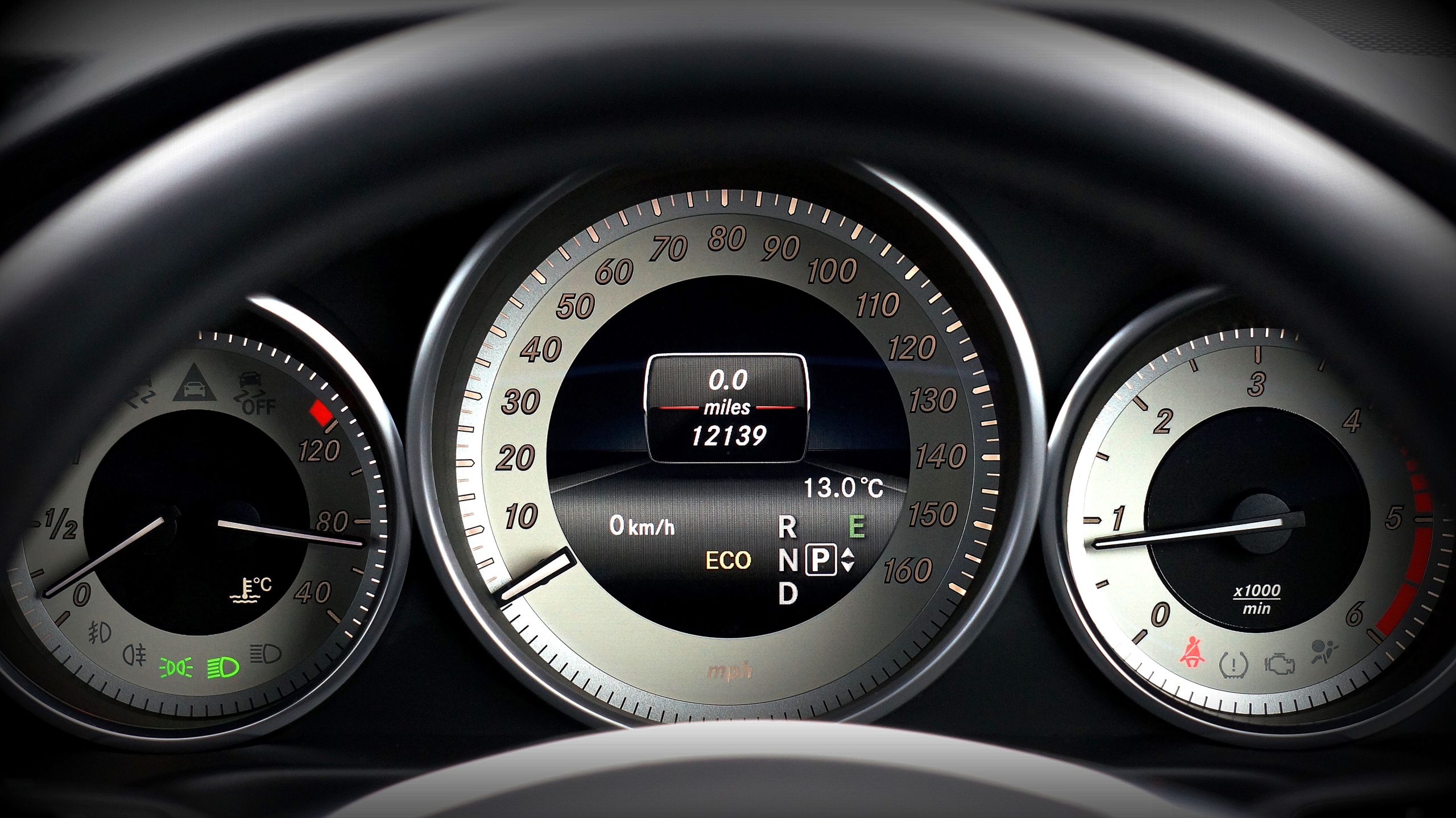
The math only works when miles are low. A student driving 200 miles a month might pay $40–$60; the same student on a traditional policy could pay $120–$180. But a commuter doing 400+ miles a week will almost always be cheaper on a standard policy. The break-even is roughly 50–100 miles per week — below that, pay-per-mile wins.
Why MileAuto vs. Metromile
- MileAuto: no device to install; the app senses driving automatically. Lower friction, ideal for a busy student.
- Metromile: the plug-in device gives precise, tamper-resistant mileage and a more detailed app; better if you want data and are comfortable with the hardware.
- Both: you still get liability, collision, and comprehensive — it is a real policy, just priced by the mile.
Reddit Pitfalls on Pay-Per-Mile
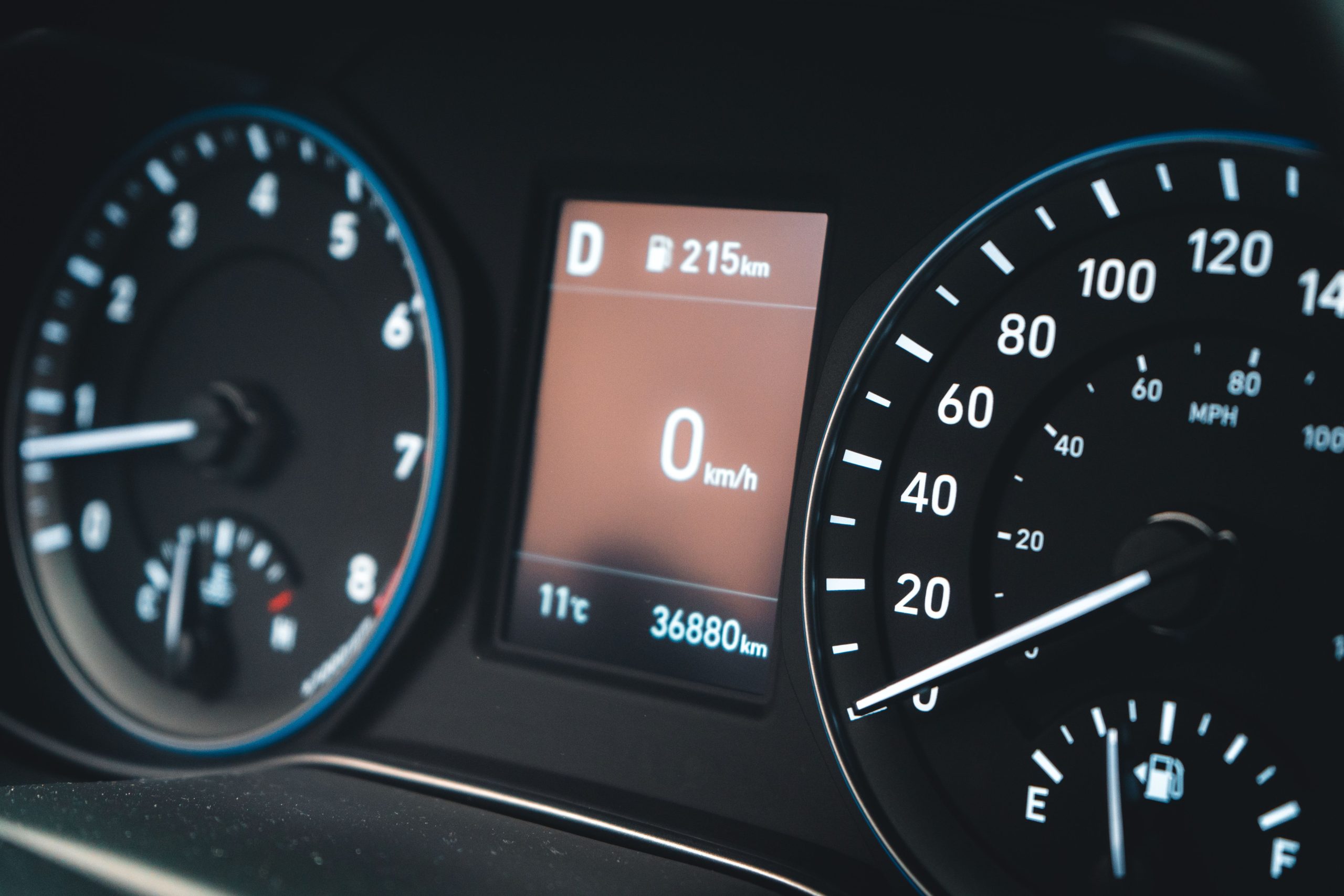
From r/insurance: "MileAuto saved me $80/month because my car sat on campus all semester." Another: "I liked Metromile's device — no arguing about miles — but the install was annoying." And: "I switched to pay-per-mile then got a job 30 miles away; I should have stayed on a normal policy." The lesson: only go per-mile if your driving really is low.
Step-by-Step: Decide on Pay-Per-Mile
- Track your real weekly miles for two weeks.
- If under ~100 miles/week, quote MileAuto and Metromile.
- Pick MileAuto for no-hardware simplicity or Metromile for device precision.
- Compare the projected monthly total against a traditional quote.
- Reassess each term — a new commute changes the math fast.

Frequently Asked Questions
Is pay-per-mile insurance cheaper for college students?
Only for low-mileage students (roughly under 100 miles a week). Daily commuters are usually cheaper on a traditional policy.
MileAuto or Metromile — which is better?
MileAuto is simpler (phone app, no device); Metromile offers a plug-in device and richer data. Both price by the mile at similar rates.
Does pay-per-mile cover accidents normally?
Yes. It is a full auto policy (liability, collision, comprehensive) priced by mileage rather than a flat premium.
What if my mileage goes up mid-term?
Your bill rises with miles — that is the trade-off. If a new commute appears, re-quote a traditional policy, because per-mile can get expensive fast.
About the Author
Written by Sarah Mitchell, founder of Student Car Insurance Guide. Sarah spent 8 years as a licensed insurance agent helping young drivers and their families find affordable coverage. Every guide on this site is fact-checked against current state regulations and real quote data from major insurers.
Have a question about this topic? Email our editorial team at 1404555604w@gmail.com.