How to Add a College Student to Your Car Insurance: The Complete 2026 Guide for Parents and Students

Adding a college student to a family car insurance policy is one of the most financially impactful decisions a family can make. Done right, it can save $3,000 or more per year compared to the student buying their own policy. Done wrong -- or worse, not done at all -- it can lead to denied claims, massive rate hikes, or even policy cancellation.

The good news? There is no age limit for staying on a parent's car insurance policy, as long as the student lives at home or is a full-time college student. The challenge is navigating the rules, discounts, and coverage adjustments that come with this transition.

parent and young adult with car keys
Parent handing car keys to college student -- a key moment for insurance planning

The Cost Reality: Parents Policy vs. Independent Policy

Adding an 18-year-old to a family policy increases the household premium by an average of $4,079 per year, according to 2026 data from Insurance.com. That sounds steep -- until you learn that the same 18-year-old buying their own policy would pay $7,146 per year. Staying on the family policy saves $3,067 annually, or 43 percent.

Age Independent Policy Added to Parents Policy Annual Savings
18 $7,146 $4,079 $3,067 (43%)
19 $5,470 $3,816 $1,654 (30%)
20 $4,970 $3,522 $1,448 (29%)
21 $4,094 $3,030 $1,064 (26%)

The savings shrink as the student gets older, but even at 21, staying on the family policy saves over $1,000 per year. By age 25, premiums typically drop another 20 to 30 percent as the driver ages out of the high-risk young adult category.

Step-by-Step: How to Add Your Student

person on phone with insurance documents
Calling insurance company to add a college student to the family policy

Step 1: Contact Your Insurer Within 30 Days

Most insurance companies require you to notify them within 30 days of a household member changing their driving status or residence. Failing to do so can result in denied claims or policy cancellation. If your child is heading to college, call your insurer before the semester starts -- not after.

Step 2: Submit Enrollment Proof and Transcript

Provide your insurer with the student's current class schedule and latest transcript. These documents serve two purposes: they verify full-time enrollment (required for distant student discounts) and they establish eligibility for good student discounts based on GPA. Companies like State Farm and Allstate verify these documents annually.

Step 3: Decide What to Do With the Car

This is the most important decision. There are two main options:

Car goes to campus: The student is listed as the primary driver of that vehicle. Your insurer will need the campus address and may adjust rates based on the new location's risk profile. Premiums may fluctuate 15 to 40 percent depending on the area.

Car stays at home: The student qualifies for the distant student discount. The car remains insured under the parents' address, and the student is listed as an occasional driver.

Step 4: Verify State Minimum Coverage Requirements

If the car goes to an out-of-state college, your liability limits must meet both your home state and the college state's minimum requirements. State minimums vary widely: Florida requires only 10/20/10 ($10,000 per person, $20,000 per accident, $10,000 property damage), while Maine requires 50/100/25. Your insurer will typically apply whichever is higher.

Step 5: Stack All Available Discounts

Most insurers allow you to stack discounts up to 35 to 45 percent off the student's portion of the premium. Apply every discount your student qualifies for -- the savings compound significantly.

young person standing near car on campus
College student with car on campus -- insurance implications vary by scenario

The Five Discounts Every Student Should Claim

Discount Type Savings Range Key Requirements
Good Student 5-25% (avg 12%) B average (3.0 GPA), under 25, full-time enrollment; Nationwide offers highest at 17%
Distant Student 5-30% School 100+ miles from home, full-time, no car at school; State Farm offers 30%
Driver Education 4-10% Complete state-approved driver's ed course; State Farm and Travelers offer 10%
Group/Alumni 3-15% University alumni association or professional group; Liberty Mutual has 14,000+ partners
Telematics 5-30% Safe driving habits monitored via app/device; Nationwide SmartRide up to 30%

When distant student and good student discounts are combined, total savings can reach 25 to 50 percent or more on the student's portion of the premium. At State Farm, a high-GPA distant student can see discounts exceeding 50 percent.

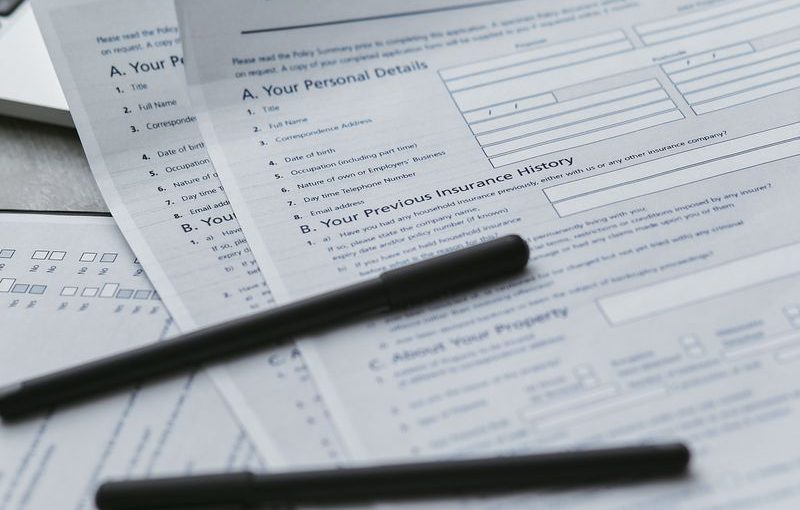
person reviewing insurance paperwork at desk
Reviewing insurance documents and discount options for a college student

The Vehicle Storage Strategy: A Hidden Money-Saver

One of the most overlooked strategies is the comprehensive-only storage option. If a student leaves their car at home for an entire semester (for example, while studying abroad), you can switch that vehicle to comprehensive-only coverage.

This keeps the car protected against theft, fire, hail, falling branches, and vandalism -- but removes liability and collision coverage since the car is not being driven. The result? Premiums drop by 60 to 75 percent for that vehicle.

For an 18-year-old's vehicle that normally costs $340/month for full coverage, switching to comprehensive-only for one semester (5 months) costs about $25/month instead. That is a savings of $1,575 per semester -- while maintaining continuous insurance coverage (which prevents future rate hikes from coverage lapses).

Important: The car cannot be driven at all during this period. Even a single trip under reduced coverage could result in the policy being voided. You must also provide written notice to your insurer before making this change.

When Should a Student Get Their Own Policy?

While staying on a parent's policy is almost always cheaper, there are three situations where a student must get their own policy:

Moving into their own apartment: Once the student's primary residence is no longer the parents' home, they can no longer be on the family policy. A dorm room does not count as a permanent residence change, but an off-campus apartment does.

Vehicle registered in the student's name: If the car title is in the student's name, most insurers require the student to have their own policy. Some insurers allow the car to stay on the family policy if a parent is a co-signer, but this varies by company.

Permanent move to a different state: If the student establishes permanent residency in another state after graduation, they need their own policy in that state.

When transitioning to an independent policy, the student should request a Letter of Experience from the parents' insurer. This document proves prior insurance coverage and can help the student qualify for better rates on their new policy. A gap in coverage can increase premiums by 9 to 15 percent, and many insurers refuse to write policies for applicants without continuous coverage history.

car parked on street near campus
Car parked near campus -- the distant student discount could save up to 30%

Four College Scenarios: What to Do

Scenario What to Do Cost Impact
Car goes to campus Notify insurer within 30 days; confirm student is listed as primary driver; verify state minimums Premium may change 15-40% depending on campus location risk
Car stays home (no car at school) Apply for distant student discount + good student discount Save 14-30%; stacked discounts can reach 25-50%+
Commuting to local college Reassess driver rating (occasional to primary); check if mileage is under 7,500/year Promotion to primary driver: +15-25%; low-mileage discount: avg 7%
First apartment after graduation Transition to own policy; request Letter of Experience; avoid coverage lapse Independent policy ~$3,800/yr at age 22; lapse penalty: +9-15%

Insurance Company Comparison for 18-Year-Old Students

Company Annual Premium (18-yr-old) Best Student Discount Best For
USAA $4,531 5% distant student Military families
GEICO $5,625 15% good student Budget-conscious non-military
Travelers $5,705 13% good student / 12% distant Stackable discounts
State Farm $7,511 30% distant student (highest) Students 100+ miles from home
Nationwide $7,694 17% good student (highest) High-GPA students
Allstate $8,976 25% distant student Home + auto bundling
Progressive $9,913 10% distant student Telematics-heavy users
Farmers $11,109 13% good student / 14% low-mileage Low-mileage commuters

Note: Premiums shown are for adding an 18-year-old to an existing family policy. USAA is only available to military families and veterans. Rates vary significantly by state, vehicle, and driving record.

Five Common Mistakes to Avoid

Not telling the insurer at all. If your student drives the family car while away at college and you never added them, any claim could be denied for material misrepresentation. Insurers can check social media, campus parking records, and even credit card statements to verify where a car is garaged.

Forgetting to renew discounts annually. Good student and distant student discounts typically require annual verification. If you forget to submit the transcript, the discount silently disappears and your premium jumps.

Driving a storage-only vehicle. If you switched a car to comprehensive-only while the student is abroad, even one quick trip to the store voids the coverage. The car must not be driven at all.

Not checking the new state's minimums. If your student takes the car to a state with higher minimum coverage requirements, your current limits may be insufficient. Your insurer should adjust this automatically, but always verify.

Letting coverage lapse during transition. When a student moves out and gets their own policy, even a one-day gap can trigger a 9 to 15 percent rate increase. Coordinate the start date of the new policy with the cancellation date of the old one.

The Bottom Line

Adding a college student to a family car insurance policy is not just the easiest option -- it is almost always the cheapest. An 18-year-old on a family policy pays $3,067 less per year than they would on their own. When you stack discounts -- good student, distant student, driver education, and telematics -- the savings can exceed 50 percent of the student's premium.

The key is to be proactive: notify your insurer before the semester starts, submit all documentation, choose the right coverage strategy for your situation, and stack every available discount. If your student is leaving the car at home, the distant student discount alone can save you hundreds. If they are taking the car to campus, verifying state coverage minimums prevents costly surprises.

And when graduation eventually comes, plan the transition carefully. A Letter of Experience and a seamless handoff to a new policy can keep rates reasonable as your student enters the next chapter of their life -- without the penalty of a coverage lapse.


About the Author

Written by Sarah Mitchell, founder of Student Car Insurance Guide. Sarah spent 8 years as a licensed insurance agent helping young drivers and their families find affordable coverage. Every guide on this site is fact-checked against current state regulations and real quote data from major insurers.

Have a question about this topic? Email our editorial team at 1404555604w@gmail.com.

Pay-Per-Mile Car Insurance for College Students: Is It Worth It in 2026?

If you are a college student who leaves your car parked most days of the week, you might be paying for insurance you barely use. The average American driver logs 13,476 miles per year, according to the Federal Highway Administration. But a typical college student? Many drive fewer than 5,000 miles annually -- short trips to the grocery store, occasional weekend visits home, and maybe a daily commute to a campus that is already walkable.

That is where pay-per-mile car insurance comes in. Instead of paying a flat annual premium regardless of how much you drive, you pay a low monthly base rate plus a small fee for every mile you actually drive. For students who walk, bike, or take the bus to class, this pricing model can translate into savings of 40 to 60 percent compared to a traditional policy.


Close-up of a car odometer showing total mileage driven

What Is Pay-Per-Mile Car Insurance?

Pay-per-mile insurance is a type of usage-based auto insurance that calculates your premium based on the actual number of miles you drive each month. Unlike a traditional policy where you pay the same amount whether you drive 500 or 5,000 miles, pay-per-mile insurance rewards you for keeping your car parked.

Your monthly bill has two components:

Base rate: A fixed monthly fee that covers your car while it is parked. This rate is determined by the usual factors -- your age, driving record, vehicle type, location, and coverage selections.

Per-mile rate: A small charge (typically 4 to 8 cents) added for every mile you drive. The total is tracked through a telematics device plugged into your car or a smartphone app.

For example, if your base rate is $34 per month and your per-mile rate is 5 cents, and you drive 800 miles that month, your total cost would be: $34 + ($0.05 x 800) = $74. Drive only 300 miles? Your bill drops to $49. The less you drive, the more you save.

Why Pay-Per-Mile Is Perfect for College Students

College students are the ideal candidates for pay-per-mile insurance. Here is why:

You live on or near campus. Most students can walk to class, the library, and dining halls. If your car sits in a parking lot Monday through Friday, you are paying for coverage you never use.

You do not commute. Unlike working adults who drive 30+ miles round-trip each day, students typically drive only for errands, social outings, and occasional trips home.

You may go weeks without driving. During exam periods, winter break, or study abroad, your car may not move at all. With traditional insurance, you still pay full price. With pay-per-mile, you pay only the base rate.

You are already on a tight budget. Every dollar saved on insurance can go toward tuition, textbooks, or ramen noodles that are not expired.

young person driving car on road
College student driving on a scenic road with low annual mileage

Companies Offering Pay-Per-Mile Insurance in 2026

Only a handful of insurers offer true pay-per-mile insurance. Here are the main options available to college students:

Company Program Name Tracking Method Best For
Lemonade (formerly Metromile) Pay-per-mile Plug-in device + app Tech-savvy students in 8 states
Nationwide SmartMiles Plug-in device Students who want road trip exceptions
Allstate Milewise Plug-in device + app Students already with Allstate
Mile Auto Pay-per-mile Smartphone app Students who prefer app-only tracking
USAA SafePilot Miles App-based Military families and veterans

Lemonade (Formerly Metromile)

Lemonade acquired Metromile in July 2022 and now offers its pay-per-mile product in 8 states: Arizona, California, Illinois, New Jersey, Oregon, Pennsylvania, Virginia, and Washington. The program uses a plug-in telematics device that tracks mileage and also monitors basic vehicle health. Lemonade is known for its fast, app-based experience and AI-driven claims processing.

Nationwide SmartMiles

SmartMiles combines a monthly base rate with per-mile charges, similar to other programs. What sets it apart is the road trip exception: on longer drives, mileage charges are capped, so you are not penalized for an occasional cross-country trip to visit family or attend a conference. This makes SmartMiles particularly attractive for students who drive infrequently but still take a long road trip once or twice a year.

Allstate Milewise

Allstate's Milewise program charges a daily base rate (as low as $1.50 per day) plus a per-mile rate (typically 4 to 8 cents). For a day with 20 miles driven, your cost would be $1.50 + (20 x $0.06) = $2.70. On days you do not drive at all, you still pay the base rate but nothing more. You can monitor mileage and estimated costs through the Allstate Mobile app.

How Much Can College Students Save?

The savings depend heavily on how much you drive. USAA recommends pay-per-mile for drivers who log 8,000 miles or fewer per year. For college students who drive around 4,000 to 6,000 miles annually, the savings can be substantial.

Annual Mileage Traditional Policy (est.) Pay-Per-Mile (est.) Annual Savings
3,000 miles $1,800 $648 $1,152 (64%)
5,000 miles $1,800 $864 $936 (52%)
7,000 miles $1,800 $1,080 $720 (40%)
10,000 miles $1,800 $1,440 $360 (20%)
13,000 miles $1,800 $1,764 $36 (2%)

Estimates based on a base rate of $34/month and per-mile rate of $0.06. Traditional policy cost of $1,800/year is the national average for a young driver with full coverage.

As the table shows, the break-even point is around 10,000 miles per year. If you drive less than that, pay-per-mile will likely save you money. If you drive more, a traditional policy is probably cheaper.

person using laptop comparing insurance
Student comparing pay-per-mile insurance options online

How to Calculate Your Potential Savings

Before switching to pay-per-mile insurance, do the math. Here is a simple formula:

Monthly cost = Base rate + (per-mile rate x miles driven per month)

For example, if you get a quote with a $30 monthly base rate and 6 cents per mile, and you typically drive 400 miles per month:

Monthly cost = $30 + ($0.06 x 400) = $30 + $24 = $54/month

Annual cost = $54 x 12 = $648/year

If your traditional policy costs $1,500/year, you save $852 annually -- a 57 percent reduction.

Not sure how many miles you drive? Track your mileage for two to three normal weeks using your car's trip odometer or a smartphone app. Multiply by 52 to estimate your annual mileage. Most college students are surprised to find they drive far less than they thought.

Pros and Cons of Pay-Per-Mile Insurance

Advantages

Significant savings for low-mileage drivers. If you drive under 8,000 miles a year, you could save 40 to 60 percent.

Same coverage options. You get the same liability, collision, comprehensive, and other coverages as a traditional policy.

Transparent billing. You can see exactly how many miles you drove and what you are paying for through the app.

No penalty for not driving. On days your car stays parked, you pay only the base rate.

Encourages mindful driving. Seeing your per-mile cost can motivate you to walk, bike, or take transit more often.

Disadvantages

Unpredictable monthly bills. Your premium changes every month based on mileage, which makes budgeting harder.

Privacy concerns. The telematics device or app tracks your location, driving speed, and habits.

Limited availability. Only a few insurers offer it, and they operate in select states.

Not ideal for road-trippers. If you take long drives regularly, the per-mile charges can add up quickly and exceed traditional policy costs.

Fewer bundling options. Pay-per-mile companies may not offer home or renters insurance bundling discounts that larger insurers provide.

car dashboard with gauges
Car dashboard showing speedometer and odometer gauges

Pay-Per-Mile vs. Telematics vs. Low-Mileage Discounts

These three terms are often confused, but they work very differently:

Feature Pay-Per-Mile Telematics Program Low-Mileage Discount
How it works Base rate + per-mile charge Monitors driving behavior for discount Percentage off traditional policy
What is tracked Miles driven only Speed, braking, phone use, time of day Self-reported annual mileage
Typical savings 40-60% for low-mileage drivers 10-30% for safe drivers 5-15% off premium
Best for Students driving under 8K miles/year Safe drivers of any mileage Drivers slightly below average mileage
Examples Lemonade, SmartMiles, Milewise Drive Safe & Save, Snapshot, Drivewise Most traditional insurers

The key difference: pay-per-mile insurance changes your base price based on mileage, while telematics programs offer a discount on an already-set premium. If you are a low-mileage driver who also practices safe driving habits, pay-per-mile will almost always save you more.

Real Student Scenarios: Should You Switch?

Scenario 1: The Campus Resident

Sarah lives in a dorm and walks to all her classes. She drives about 50 miles per week -- trips to Target, occasional restaurant runs, and a monthly visit home (80 miles round-trip). Her annual mileage: approximately 3,000 miles.

With pay-per-mile at $30 base + $0.06/mile, Sarah pays about $54/month ($648/year). Her traditional policy costs $1,800/year. She saves $1,152 per year -- enough to cover a semester of textbooks.

Scenario 2: The Commuter Student

Miguel commutes 25 miles each way to campus, five days a week. Add weekend driving and trips home, and his annual mileage is approximately 14,000 miles.

With pay-per-mile, Miguel's cost would be $30 + ($0.06 x 1,167) = $100/month ($1,200/year) -- and that is before factoring in his high mileage pushing the base rate up. His traditional policy at $1,800/year is actually cheaper. Pay-per-mile is NOT a good fit for Miguel.

Scenario 3: The Study Abroad Student

Jessica is spending the fall semester in Spain. Her car will sit in her parents' garage for four months. With a traditional policy, she still pays full premium. With pay-per-mile, she pays only the base rate (about $30/month) for those four months -- a savings of $400-600 while she is overseas.

car parked on residential street
Car parked on a quiet street near campus -- low mileage means big savings

How to Get Started with Pay-Per-Mile Insurance

If pay-per-mile sounds like a good fit, here is how to make the switch:

Check availability in your state. Lemonade operates in 8 states. Nationwide SmartMiles and Allstate Milewise are available in select states. Check each company's website for current availability.

Track your mileage for two weeks. Use your trip odometer or a mileage tracking app to get an accurate picture of how much you actually drive. Multiply by 26 to estimate your annual mileage.

Get quotes from at least three providers. Compare the base rate, per-mile rate, and coverage options. Make sure you are comparing equivalent coverage levels.

Compare against your current policy. Use the formula: monthly base + (per-mile rate x monthly miles) x 12. If the result is lower than your current annual premium, you will save money.

Check for road trip caps. Nationwide SmartMiles limits charges on long trips. If you take occasional long drives, this feature can save you from mileage shock.

Install the device or app. Most providers send a plug-in device that goes into your car's OBD-II port (usually under the steering wheel). Some use a smartphone app instead.

Monitor your monthly bill. Keep an eye on your mileage through the app. If your driving habits change (say, you start a job with a longer commute), reassess whether pay-per-mile is still the best deal.

Common Questions About Pay-Per-Mile Insurance

Do I get the same coverage as a traditional policy?

Yes. Pay-per-mile policies offer the same coverage options -- liability, collision, comprehensive, uninsured motorist, medical payments, and more. The only difference is how the price is calculated, not what is covered.

Will my rate go up if I take a road trip?

It depends on the provider. Nationwide SmartMiles has a road trip exception that caps charges on longer drives. Allstate Milewise also has a daily maximum charge. Lemonade charges per mile with a daily cap of 250 miles (you are not charged for miles beyond that in a single day). Check each company's policy before signing up.

Is my driving data private?

Insurance companies collect mileage data, and some also track location, speed, and braking habits. This data is used to calculate your premium and may be used in claims processing. If privacy is a concern, read the company's data policy carefully before enrolling.

Can I still get good student and other discounts?

Yes. Most pay-per-mile insurers offer the same discounts as traditional policies, including good student discounts, multi-car discounts, and safe driving discounts. Be sure to ask about all available discounts when getting your quote.

The Bottom Line

Pay-per-mile car insurance is one of the most overlooked money-saving opportunities for college students. If you drive fewer than 8,000 miles per year -- and most students do -- you could save $500 to $1,100 per year simply by paying for the miles you actually drive instead of subsidizing the high-mileage drivers on a traditional policy.

The key is to do the math first. Track your mileage for two weeks, get quotes from at least three pay-per-mile providers, and compare the total against your current annual premium. If the numbers work in your favor, the switch takes less than 30 minutes -- and the savings could fund your next semester of parking permits, gas money, or an actual meal that is not from a vending machine.

Remember: the cheapest insurance is not always the one with the lowest rate. It is the one that matches how you actually live and drive. For millions of college students who spend more time in lecture halls than behind the wheel, pay-per-mile insurance is the smartest match available in 2026.


About the Author

Written by Sarah Mitchell, founder of Student Car Insurance Guide. Sarah spent 8 years as a licensed insurance agent helping young drivers and their families find affordable coverage. Every guide on this site is fact-checked against current state regulations and real quote data from major insurers.

Have a question about this topic? Email our editorial team at 1404555604w@gmail.com.

How to Switch Car Insurance Companies Without a Lapse in Coverage: Complete 2026 Guide for College Students

comparing car insurance quotes online
Shopping around can save you $694 per year on average — but only if you switch without a coverage gap

Your car insurance bill just arrived and it is way higher than you expected. You have heard you should shop around, but the idea of canceling your current policy, dealing with refund checks, and making sure you do not accidentally drive uninsured for even a single day feels like a hassle you do not need right now. Here is the good news: switching car insurance companies takes about 30 to 60 minutes and the average driver saves $694 per year, according to CarInsurance.com’s 2026 nationwide survey of 15,000 drivers.

The bad news: if you get the order wrong — canceling first, then buying — you create a coverage lapse that raises your future premiums by 10% to 25%. This guide walks you through the exact sequence to switch safely, keep every dollar of your prorated refund, and avoid the mistakes that cost students hundreds of dollars every year.

reviewing insurance policy documents
Step 1: Pull your declarations page and note your exact coverage limits before getting quotes

The Golden Rule: New Policy First, Then Cancel the Old One

The single most important rule in this entire guide: never cancel your current policy until your new policy is active and you have written confirmation. Even a one-day gap in coverage is considered a "lapse" by every insurance company, and the penalty is severe.

MoneyGeek’s 2025 lapse study found that a gap of just 1 to 7 days raises rates by 8% to 23%. A 30-day lapse triggers a 22% to 25% permanent increase that stays on your record for three to five years. For the average student paying $2,329 per year (Insurify 2026 data), that is an extra $515 to $582 every year for half a decade — all because of one careless day.

Step-by-Step: How to Switch Without a Coverage Gap

Step 1: Pull Your Current Declarations Page (10 minutes)

Log into your current insurer’s website or app and download your declarations page (also called a "dec page"). This one-page summary shows your exact liability limits, deductibles, and any endorsements like roadside assistance or rental reimbursement.

Why this matters: if you get quotes with lower limits than your current policy, you might save money but be dangerously underinsured. Always compare apples to apples. Write down these numbers:

Bodily injury liability per person / per accident (e.g., $50,000/$100,000)

Property damage liability (e.g., $50,000)

Comprehensive deductible (e.g., $500)

Collision deductible (e.g., $500)

Uninsured/underinsured motorist coverage

Any add-ons: roadside, rental, gap insurance

Step 2: Get Quotes from 3 to 5 Insurers (20 minutes)

CarInsurance.com data shows the gap between the cheapest and most expensive insurer for the same driver averages $1,388 per year. That means your first quote might be $200 cheaper than your current rate, but the fifth quote could be $600 cheaper. You need multiple quotes.

Have these items ready before you start:

Driver’s license number for every driver in the household

Vehicle Identification Number (VIN) for each car

Current mileage on each car

Your current insurance policy number

Date of any accidents or violations in the past 3 to 5 years

Request quotes with identical coverage limits from at least three carriers. In 2026, the most competitive insurers for college students include GEICO, State Farm, Progressive, Travelers, and Lemonade. Use each company’s website or a comparison tool like The Zebra or NerdWallet to get side-by-side quotes.

calculating insurance refund
Most states require insurers to refund your unused premium when you cancel mid-term

Step 3: Check for Cancellation Fees (5 minutes)

Before you commit, call your current insurer and ask: "If I cancel my policy today, is there a cancellation fee, and how is my refund calculated?"

Most major insurers — State Farm, Nationwide, and Farmers — charge $0 to cancel mid-term. Some companies charge a flat fee of $25 to $50, while others deduct a percentage (typically 10%) of your unused premium. This practice, called "short-rate cancellation," is banned or restricted in California, New York, Florida, and several other states.

Insurer Cancellation Fee Notes
GEICO 10% of unused premium Military deployment may be exempt
Progressive $50 flat or 10% of unused Varies by state
State Farm $0 (most policies) Agency policies may differ
Allstate 0% to 10% of unused Higher in some states
Liberty Mutual 10% to 15% of unused Among the highest

Even with a $50 fee, the math usually works out. If you are saving $60 per month with the new insurer, you break even in less than two months. The only time a fee should stop you is if you are within 30 days of your renewal date — in that case, just wait and let the policy expire naturally with no fee at all.

Step 4: Buy the New Policy (10 minutes)

Once you have chosen your new insurer, purchase the policy and set the effective date to overlap your current policy by at least one full day. Most national carriers activate coverage at 12:01 a.m. on the day after purchase, so if you buy on a Tuesday, coverage starts Wednesday at 12:01 a.m.

Critical checklist before paying:

Effective date and time are correct (12:01 a.m. on the start date)

All drivers in your household are listed

All vehicles are listed with correct VINs

Payment method is set up (avoid failed payment on day one)

You selected the same or better coverage than your current policy

After purchase, download your proof of insurance card and declarations page immediately. Save them to your phone’s wallet app and print a paper copy for your glove box. You are now technically insured, but do not cancel the old policy yet.

calling insurance company
Always call to cancel and request written confirmation — do not rely on online chat or email alone

Step 5: Cancel Your Old Policy (15 minutes)

Now that your new policy is active, call your old insurer to cancel. Most companies do not allow online cancellations — you must call. During the call:

State the exact date you want coverage to end (should be AFTER your new policy starts)

Request a prorated refund for unused premiums

Ask for a written confirmation email with the cancellation date and refund amount

Note the name of the representative you spoke with

Prorated refund example: You paid $1,200 for a 12-month policy. You cancel after 6 months. You get back approximately $600 (minus any cancellation fee). The refund typically arrives as a check within 10 to 14 business days, or as a credit back to your original payment method.

If the refund does not arrive within 30 days, file a complaint with your state’s Department of Insurance. This is a free service and resolves most refund delays within two weeks.

Step 6: Swap ID Cards and Notify Your Lender (5 minutes)

Your final step: put the new insurance card in your car and — if you have a car loan — email your new declarations page to your lender. Most loan agreements require notification within 14 to 30 days. If you miss this deadline, your lender can buy "force-placed insurance" on your behalf, which costs 2x to 3x a normal policy and protects only the lender’s interest, not yours.

new insurance documents
Keep your new proof of insurance in both your phone wallet app and your glove box

When Is the Best Time to Switch?

You can switch at any time — all 50 states allow mid-term cancellation with a prorated refund. But some moments are better than others:

At renewal (best): No cancellation fee, no refund math. Your old policy expires and your new one starts the next day. Insurers must send renewal notices 30 to 60 days in advance, giving you a clear shopping window.

After a life change (good): Moving to a new ZIP code, adding/removing a driver, getting married, or paying off your car loan all change your risk profile. Get quotes within 30 days of the change.

When your credit score improves (excellent): Drivers with bad credit pay 115% more than those with good credit (a $2,886/year difference). Even a modest improvement from "poor" to "fair" can trigger significant savings when you re-shop.

Mid-term, anytime (fine): You do not need an excuse. If you find a better price, switch. The prorated refund makes this mathematically smart as long as the cancellation fee is small.

Coverage Lapse Penalties: Why You Must Avoid Even One Uninsured Day

A "lapse" is any period when you own a registered vehicle but have no insurance on it. Even if your car is parked and you are not driving it, most states require continuous insurance coverage. The penalties are financial and legal:

Lapse Duration Average Rate Increase Extra Cost/Year
1 to 7 days 8% to 23% $115 to $330
30 days 22% to 25% $315 to $360
45+ days 35% to 40% $500 to $575

Sources: MoneyGeek 2025 lapse study; Insurance.com rate analysis; based on national average full-coverage premium of $2,329/year (Insurify 2026).

Beyond higher premiums, a lapse can trigger state penalties. Driving uninsured in Florida carries a $150 reinstatement fee plus possible license suspension. Texas adds a $250 surcharge per 30-day lapse. These state penalties are separate from the insurance rate increase.

5 Expensive Mistakes to Avoid

Canceling before the new policy is active. This creates a lapse on your record. Always confirm the new policy start date in writing first.

Letting your old insurer "auto-renew" while you shop. If you miss the renewal date, you are locked in for another 6 or 12 months. Set a calendar reminder for 45 days before renewal.

Not updating your lender. Your loan contract requires continuous full coverage. If your lender notices the old policy canceled and no new policy reported, they force-place insurance at 2x to 3x the cost.

Buying on price alone. The cheapest policy is worthless if the company denies your claim. Check J.D. Power claims satisfaction scores and AM Best financial strength ratings before buying.

Forgetting to cancel. If you bought a new policy but never called to cancel the old one, you are paying for two policies. Set a phone reminder to cancel on the new policy’s start date.

Frequently Asked Questions

Does switching car insurance hurt my credit score?

No. Insurance quotes trigger a "soft inquiry" that does not affect your credit score. Comparing quotes from 10 companies in one week still counts as one inquiry.

Can my new insurer cancel my policy in the first 60 days?

Yes, unfortunately. Most insurers have a "underwriting review period" of 30 to 90 days where they can cancel for any material misrepresentation. This is rare but real. To protect yourself: answer all questions truthfully, disclose all drivers, and double-check your VIN and mileage.

Will I lose my good driver discount if I switch?

Your claim-free years follow you, not the insurer. When you switch, tell the new company about your clean record — most will apply their own good driver discount, which typically saves 10% to 20%.

Can I switch if I have an open claim?

Yes, but it is complicated. Your old insurer still handles the open claim, and your new insurer sees the pending claim when setting your rate. Most experts recommend waiting until the claim is resolved before switching.

Bottom Line

Switching car insurance is not a once-in-a-lifetime event. The drivers who save the most re-shop every 12 to 24 months, because insurers gradually raise rates on existing customers while offering discounts to new ones. Set a calendar reminder for 30 days before your next renewal, spend 30 minutes getting three quotes, and you could save $600 to $1,400 per year — every year.

The process is simple: buy new policy first, confirm it is active, then cancel the old one. Get your prorated refund. Update your insurance card. Notify your lender. Total time: one hour. Total annual savings: nearly $700 on average. The only thing you have to lose is a bill that is too high.


About the Author

Written by Sarah Mitchell, founder of Student Car Insurance Guide. Sarah spent 8 years as a licensed insurance agent helping young drivers and their families find affordable coverage. Every guide on this site is fact-checked against current state regulations and real quote data from major insurers.

Have a question about this topic? Email our editorial team at 1404555604w@gmail.com.

How to File a Car Insurance Claim: Step-by-Step Guide for College Students in 2026

If you are a college student, getting into a car accident is stressful enough without having to figure out how to file an insurance claim for the first time. You might be shaken up, confused about what to do, worried about your rates going up, or unsure who pays for what. This guide walks you through the entire process -- from the moment after the accident to the final payout -- with specific advice for students in 2026.

According to the Insurance Information Institute, auto insurers paid out over $260 billion in claims in 2024. Most of those claims were handled smoothly, but about 5% to 15% of claims get denied each year, and thousands of policyholders end up disputing their settlement. Knowing the right steps -- and the common mistakes -- can mean the difference between a smooth payout and months of frustration.

person calling insurance company after car accident
Reporting your claim promptly -- ideally within 24 hours -- is the first critical step

What to Do Immediately After an Accident

Before you even think about filing a claim, there are critical steps you must take at the accident scene. These actions protect your safety, create the evidence you will need later, and prevent common claim denials.

Step 1: Check for Injuries and Call 911

Check yourself and all passengers for injuries. If anyone is hurt -- even if the injury seems minor -- call 911 immediately. Do not try to assess the severity yourself. Some injuries like whiplash or concussions do not show symptoms immediately. If you have medical payments coverage or PIP (Personal Injury Protection) on your policy, it will pay for medical expenses regardless of fault.

Step 2: Move to Safety

If your car is drivable and not blocking traffic, move it to the shoulder or a safe area. Turn on your hazard lights. If the car cannot be moved, stay inside with your seatbelt on and call for help. If you need to exit, move to a safe area away from traffic. Never stand on the roadway to make phone calls or exchange information.

Step 3: Call the Police

For any accident more serious than a minor parking lot scrape, call the police. In many states, you are legally required to report accidents involving injury, death, or property damage above a certain dollar threshold (often $500 to $1,000). Even if the police cannot come to the scene, you can often file a report online or in person at the station later.

Why the police report matters: Insurance companies almost always ask for the police report number. The report provides an objective third-party account of what happened, which can be decisive if the other driver disputes fault. Without it, your claim may be delayed or denied.


Always call the police for anything beyond a minor parking lot scrape -- the report is critical for your claim

Step 4: Collect Information (The Golden Window)

While you are still at the scene, gather as much information as possible. This is your only chance to get some types of evidence. If you are too shaken up, ask a passenger or a witness to help.

Information to Collect Why It Matters
Other driver name & phone Required for claim; do not rely on insurance card alone
Other driver insurance info Company name, policy number, policy period
License plate number Verify identity; photograph the plate
VIN (Vehicle Identification Number) 17-digit code on driver-side dashboard; confirms vehicle identity
Police report number Insurer will request this; get officer name and badge number too
Witness contact info Witnesses may leave before police arrive; get name and phone
Photos & video Damage to all vehicles, license plates, road conditions, traffic signs, injuries
Your direction of travel Helps establish fault; note lane position and traffic signals

Critical warnings: Never let anyone take a photo of your driver's license. Never admit fault at the scene -- even saying "I am sorry" can be used against you later. Let the insurance companies and police determine fault based on the facts.

How to Actually File the Claim: Step-by-Step

Once you are safe and have gathered information, it is time to notify your insurance company. Most insurers offer three ways to file: phone, website/online portal, or mobile app. The mobile app is usually the fastest and lets you upload photos immediately.

Step 5: Report Within 24 to 72 Hours

Most insurance policies require you to report accidents "promptly" -- typically within 24 to 72 hours. Missing this window can give the insurer grounds to deny your claim. Even if you think the damage is minor and you might pay out of pocket, report it anyway. You can always withdraw the claim later, but you cannot file one after the deadline.

For natural disasters (hailstorms, hurricanes, wildfires), report immediately. Claims adjusters get overwhelmed after major events, and filing early puts you higher in the queue.

Step 6: What Information to Provide

When you speak to your insurer or fill out the online form, be prepared to provide:

Date, time, and exact location of the accident

Description of what happened (stick to facts, do not admit fault)

Names and insurance info of all drivers involved

Police report number (if police were called)

Names of any witnesses

Photos of damage and the accident scene

Whether you or any passengers need medical attention


Take photos of all damage before moving the vehicles -- this evidence is critical for your claim

Working With Your Insurance Adjuster

After you file the claim, the insurer will assign an adjuster (also called a claims adjuster) to handle your case. The adjuster's job is to investigate the accident, assess the damage, determine fault based on your policy and state law, and calculate how much the insurer should pay.

Important: The adjuster works for the insurance company, not for you. While most adjusters are fair and professional, their primary goal is to settle claims accurately and cost-effectively for the insurer. This means you need to be proactive about protecting your interests.

Step 7: Verify the Adjuster's Identity

Before letting anyone inspect your car, verify they are who they say they are. Call your insurance company using the number on your insurance card (not a number the person gives you) and confirm the adjuster's name and assignment. Ask to see identification when they arrive. This protects you from scammers, who often show up after major disasters pretending to be from your insurance company.

Step 8: Be Present for the Vehicle Inspection

When the adjuster inspects your vehicle, you must be present. Walk around the car with them and point out all damage, no matter how small. If you have a trusted repair shop, get their own estimate and share it with the adjuster. If the adjuster's estimate seems too low, you have the right to request a second opinion or an independent appraisal.

Special note for flood or fire damage: If your car was in a flood or fire, it is likely a total loss, even if the adjuster initially says otherwise. Water damage corrodes wires and metal over time, and fire damage compromises structural integrity. Do not let them talk you into a partial repair for a flooded car.

The Claims Timeline: What to Expect and When

Understanding the timeline helps you know if your claim is moving at a normal pace or if you need to escalate. Most states have unfair claims settlement laws that require insurers to acknowledge and act on claims within specific timeframes (typically 10 to 30 days).

Action Typical Timeline What You Should Do
Report the accident Within 24-72 hours Call insurer immediately; use mobile app if available
Adjuster contacts you 1-3 business days Respond promptly; verify their identity
Vehicle inspection 3-14 days after filing Be present; point out all damage
Simple claim resolution Days to 2 weeks Stay in touch; upload requested docs fast
Complex claim resolution 1-12 months Consider hiring a lawyer if disputed
Payout after agreement 1-2 weeks Check your bank account or mail
Total loss payout 2-6 weeks after settlement Negotiate ACV if offer seems low

State law note: Most states require insurers to complete their investigation within 30 days. If your claim is taking longer without explanation, you can file a complaint with your state insurance department (more on this in the appeals section below).

When You Should (and Should NOT) File a Claim

Not every accident requires an insurance claim. Filing a claim triggers a record on your CLUE report (Comprehensive Loss Underwriting Exchange), and at-fault accidents typically raise your premium by 12% to 45% for three to five years. Before filing, do the math.

Scenario File a Claim? Why
Someone injured, even slightly Yes Medical costs escalate; liability exposure is high
Damage far exceeds your deductible Yes Worth using insurance; e.g., $5,000 damage, $500 deductible
Uninsured driver hits you Yes Use your uninsured motorist + collision coverage
Damage is less than your deductible No Insurer will not pay; claim still goes on your record
Minor parking lot scrape, both agree to settle privately Maybe Get agreement in writing; consider reporting anyway for protection
You are at fault and damage is $500, deductible is $500 No $0 payout but claim on record = not worth it

The 2026 premium impact: According to The Zebra, the average rate increase after an at-fault accident is $400 to $800 per year, depending on your state and insurer. Over three years, that is $1,200 to $2,400 -- potentially more than the claim payout itself for minor damage.

police at car accident scene
Always file a police report -- insurance companies require the report number for most claims

Why Claims Get Denied (and How to Avoid It)

About 5% to 15% of car insurance claims are denied each year. The good news: most denials are preventable. Here are the seven most common reasons claims get denied, and how you can avoid each one.

Denial Reason What It Means How to Avoid It
Policy exclusions Event not covered (e.g., using car for rideshare without endorsement) Read your policy exclusions before an accident happens
Lapsed coverage Your policy was not active at the time of the accident Set up auto-pay; check payment status monthly
Misrepresentation You provided false info (wrong mileage, undisclosed drivers) Be 100% honest on your application and renewals
Late filing You reported the accident after the deadline Report within 24 hours, even for minor accidents
DUI or illegal activity Accident involved alcohol, drugs, or crime Never drive under the influence; no insurance covers this
Non-listed driver Someone not on your policy was driving List all regular drivers; notify insurer of changes
Lack of evidence Insufficient photos, no police report, no witnesses Document everything at the scene; save all receipts

Student-specific risk: If you let a roommate or friend borrow your car and they cause an accident, your insurer may deny the claim if that person is not listed on your policy. Always notify your insurer when someone new regularly drives your car.

How to Appeal a Denied Claim in 2026

If your claim is denied, you are not out of options. Approximately 20% to 30% of internal appeals succeed, and about 50% of complaints filed with state insurance departments结果 in a consumer-friendly outcome. Here is the step-by-step appeals process.

Step 1: Read the Denial Letter Carefully

By law, your insurer must send you a written denial letter that explains the specific reason for denial and cites the relevant policy language. Read this letter carefully and compare it to your actual policy language. About 25% of denied claims involve a dispute over policy interpretation -- the same clause can be read two different ways.

Step 2: Call Your Adjuster and Ask Three Questions

Before writing your appeal, call your adjuster and ask:

What specific evidence was used to deny the claim?

What additional documents could change the decision?

What is the deadline for filing a formal appeal?

Follow up the call with an email summarizing what was said. This creates a paper trail proving you attempted to resolve the issue informally first.

Step 3: Gather Supporting Evidence

Build the strongest possible case by collecting:

Photos of the scene and all damage (from multiple angles)

Police report (order a copy if you do not have it)

Repair estimates from at least two shops

Witness statements (written statements or contact info)

Medical records (if injuries are involved)

Dashcam or traffic camera footage (request from the agency ASAP)

Complete communication log (dates, names, what was said)

Organize everything into a single PDF or shared folder before writing your appeal letter.

car crash scene with damaged vehicles
If your claim is denied, a well-documented appeal with supporting evidence succeeds about 20-30% of the time

Step 4: Write and Send a Formal Appeal Letter

Your appeal letter should include:

A reference to the denial reason cited in the denial letter

An explanation of why the denial is incorrect or incomplete

Citations to specific policy language that supports your position

A list of all enclosed supporting evidence

Your requested outcome (e.g., "I request that my claim be approved and that I receive payment of $X")

How to send it: Use certified mail (with return receipt) or a trackable delivery method. Keep a copy of everything. Most insurers require appeals to be filed within 30 to 60 days of the denial date.

State response deadlines: After you file an appeal, insurers must respond within specific timeframes that vary by state. For example: California requires a decision within 40 days of receiving proof of loss; Texas requires 15 business days; New York requires 15 business days; Florida allows up to 90 days but must acknowledge within 14 days.

When to Escalate: DOI Complaints and Legal Help

If your internal appeal is denied, you have two more options before giving up:

Option 1: File a Complaint With Your State Insurance Department

This is the most underused but most effective tool available to consumers. In 2025, state insurance departments received 35,063 auto insurance complaints -- a 7.5% increase from 2024. About 50% of complaints resulted in outcomes favorable to the consumer.

What to include in your DOI complaint:

A copy of your policy declarations page

The denial letter and all appeal correspondence

A timeline of all communications with the insurer (with dates and representative names)

Photos, repair estimates, police reports, and witness statements

A one-page summary of the dispute and your desired resolution

You can file online at your state's insurance department website. Search for "insurance department complaint" along with your state name. The service is completely free, and insurers typically must respond to the DOI within 21 days.

Option 2: Hire a Lawyer (Bad Faith)

If your claim involves a large amount (typically over $10,000), or if the insurer acted in bad faith (failed to investigate, misrepresented policy terms, unreasonably delayed payment), consult an attorney who specializes in insurance law.

Most insurance lawyers work on a contingency fee basis -- you pay nothing upfront, and they take a percentage (typically 30% to 40%) of the recovered amount. If you win, many states also require the insurer to pay your attorney fees.

What is bad faith? Common examples include: denying a claim without investigating, misrepresenting policy language, failing to respond to communications, and intentionally underpaying a settlement. If an insurer violates your state's unfair claims settlement practices act, you may be entitled to damages beyond the original claim amount -- including emotional distress and, in some states, punitive damages.

Pro Tips for College Students

Download your insurer's mobile app before you need it. Log in and link your policy now so you can file a claim with a few taps if you are ever in an accident.

Keep your insurance card and registration in your glove box AND on your phone. Many states now accept digital insurance cards, but always have a paper backup.

Take photos of your car when it is in good condition. If you ever need to file a comprehensive claim (theft, vandalism, hail), having "before" photos helps prove pre-existing condition disputes.

Know your coverage BEFORE an accident. Read your declarations page. Know your deductibles, your liability limits, and whether you have rental car coverage or roadside assistance. You do not want to be learning this while shaken up after a crash.

If you are on your parents' policy, tell them immediately. They need to know, and some policies require all household members to be listed. Failure to notify them promptly can complicate or invalidate the claim.

Be careful with "quick cash" settlement offers. Insurers sometimes offer a fast, low settlement hoping you will accept. You usually have 1 to 3 years (depending on your state) to accept or challenge a settlement. Get an independent repair estimate before accepting any offer.

The Bottom Line

Filing a car insurance claim does not have to be overwhelming. The keys are: report promptly (within 24 hours), document everything at the scene, verify your adjuster's identity, be present for the vehicle inspection, and keep written records of all communications. If your claim is denied, do not give up -- about 1 in 4 appeals succeeds, and the state insurance department is a free and effective resource with a 50% consumer success rate.

For college students, the stakes are higher because a single at-fault accident can raise your already-high premiums by $400 to $800 per year for three to five years. Drive carefully, keep your coverage active, and know your policy before you ever need to use it. The best claim is the one you never have to file.


About the Author

Written by Sarah Mitchell, founder of Student Car Insurance Guide. Sarah spent 8 years as a licensed insurance agent helping young drivers and their families find affordable coverage. Every guide on this site is fact-checked against current state regulations and real quote data from major insurers.

Have a question about this topic? Email our editorial team at 1404555604w@gmail.com.

Comprehensive vs Collision Coverage: What College Students Actually Need in 2026

If you are a college student shopping for car insurance, you have probably seen the terms "comprehensive" and "collision" dozens of times. Your parents told you to get "full coverage." Your lender says you need both. Your insurance agent keeps adding them to your quote. But do you actually understand what these two coverages do, how much they cost, and whether you truly need them?

This guide breaks down everything a college student needs to know about comprehensive and collision coverage in 2026. We will cover what each one protects, how much they cost, when you should keep them, and the one simple rule that tells you when it is time to drop them and pocket the savings.

damaged car after collision accident
Collision coverage pays for repairs when your car is damaged in an accident

What Is Collision Coverage?

Collision coverage pays to repair or replace your car when it is damaged in a crash, regardless of who is at fault. Whether you rear-end someone at a stoplight, back into a lamppost in a parking garage, or slide into a guardrail on an icy road, collision coverage steps in.

Here is exactly what collision covers:

Collisions with other vehicles -- whether you are at fault or the other driver is uninsured

Collisions with objects -- guardrails, fences, mailboxes, trees, poles, and buildings

Single-car accidents -- rollovers, running off the road, hitting a ditch

Parking lot damage -- someone hits your parked car and drives off

Pothole damage -- if a crater in the road destroys your suspension or rims

What collision does not cover: damage to the other driver's car (that is liability), medical bills (that is PIP or health insurance), or damage from weather, theft, or animals (that is comprehensive).

What Is Comprehensive Coverage?

Comprehensive coverage protects your car from everything else -- all the damage that happens when you are not driving or when the cause is beyond your control. If collision is "crash insurance," comprehensive is "everything-but-crash insurance."

car in severe weather storm damage
Comprehensive coverage protects against storm damage, hail, flooding, and other non-collision events

Here is what comprehensive covers:

Theft -- your car is stolen and not recovered, or recovered with damage

Vandalism -- keyed paint, broken windows, slashed tires

Weather damage -- hail dents, tornado damage, hurricane flooding, ice storms

Fire -- engine fires, wildfires, or electrical fires

Falling objects -- tree branches, rocks, debris on the highway

Animal collisions -- hitting a deer, moose, or other wildlife (yes, this is comprehensive, not collision)

Glass and windshield damage -- cracked windshields, shattered windows

Civil disturbances -- riots, protests that result in property damage

A critical note for college students in 2026: modern windshields are expensive. Today's windshields contain cameras, sensors, and lane-departure warning systems. Replacing one can cost $1,000 to $2,000. Comprehensive coverage typically includes glass repair, and in some states like Florida, Kentucky, and South Carolina, insurers must offer zero-deductible glass coverage.

Collision vs Comprehensive: The Key Differences

The simplest way to remember the difference: if your car was moving and you crashed it, that is collision. If something happened to your parked car or an act of nature damaged it, that is comprehensive.

Feature Collision Coverage Comprehensive Coverage
What it covers Damage from crashes with cars, objects, or rollovers Theft, weather, fire, vandalism, animals, falling objects, glass
Avg annual cost (2026) $1,009 $426
Typical deductible $250 - $1,000 $100 - $500
Required by law? No No
Required by lender? Yes, if financing or leasing Yes, if financing or leasing
Affects rates after claim? Yes -- at-fault claims raise rates significantly Usually no -- comprehensive claims rarely raise rates
Who needs it most? Anyone with a car worth more than $3,000 Anyone in storm-prone, high-theft, or rural (deer) areas

car accident scene on road
Understanding the difference between collision and comprehensive can save students hundreds per year

How Much Do They Cost in 2026?

According to 2026 data from Insurance.com, the national average costs are:

Collision coverage: $1,009 per year (about $84 per month)

Comprehensive coverage: $426 per year (about $36 per month)

Both together: approximately $1,435 per year (about $120 per month)

For college students, these costs can be significantly higher. Young drivers under 25 typically pay 50% to 100% more than the national average due to their risk profile. A 20-year-old student might pay $1,500 to $2,000 per year for collision alone and $600 to $850 for comprehensive.

Costs vary dramatically by state. NAIC data shows that California drivers pay the most for collision ($501 average), while South Dakota drivers pay the most for comprehensive ($353 average) due to hail and storm risks. Wisconsin drivers enjoy the lowest collision rates at $245 average.

Several factors drive your individual cost:

Vehicle value -- a $30,000 car costs more to insure than a $8,000 car because repairs and replacement cost more

Repair costs -- luxury brands and EVs with proprietary parts have higher repair costs

Your location -- urban areas with higher traffic and theft rates cost more; rural areas with deer collision risk can also be expensive

Your deductible -- a higher deductible means a lower premium, but more out-of-pocket risk

Driving record -- accidents and tickets push collision premiums up sharply

Age -- drivers under 25 pay the highest rates due to statistical risk

The 10% Rule: When to Drop Coverage

Money expert Clark Howard and insurance analysts at MoneyGeek both recommend the same simple formula: if your annual premium for comprehensive and collision combined exceeds 10% of your car's current market value, it is time to drop the coverage.

The formula looks like this:

Annual Cost of Comprehensive + Collision > Car's Value / 10

Here are some real-world examples for college students:

Car Value 10% Threshold Your Annual Premium Decision
$15,000 $1,500 $1,435 Keep -- premium under threshold
$10,000 $1,000 $1,435 Drop -- premium exceeds 10%
$7,500 $750 $1,435 Drop -- well over 10%
$5,000 $500 $1,435 Drop -- premium is 29% of car value
$3,000 $300 $1,435 Drop immediately -- premium is 48% of value

MoneyGeek updated the old $5,000 benchmark to $7,500 for 2026 because premiums have risen significantly. A car worth $7,500 or less often does not justify the cost of full coverage when you factor in deductibles and the vehicle's declining value.

Four Conditions That Must All Be True Before Dropping

Before you drop comprehensive and collision, all four of these conditions need to apply. If even one does not fit, keep the coverage:

The 10% rule is met -- your annual premium exceeds 10% of your car's value

Your car is worth less than $7,500 -- low enough that replacement is feasible

You have emergency savings -- enough to cover a major repair or replacement out of pocket

Your car is paid off -- lenders require both coverages until the loan is fully repaid

If you drop coverage and your car is financed, your lender will purchase force-placed insurance on your behalf -- and charge you for it. Force-placed insurance typically costs two to three times more than a policy you buy yourself, and it only protects the lender's interest, not yours.

car repair and damage assessment
Repair costs for modern vehicles can exceed the car's value -- making coverage decisions critical

Student-Specific Scenarios

Scenario 1: You Drive a $4,000 Used Car to Campus

Your car is paid off, and it is worth about $4,000. You live in a dorm and drive 3 miles to class. At a 10% threshold of $400 per year, your $1,435 annual premium is 36% of your car's value. Drop both coverages and put $120 per month into savings instead. If the car gets totaled, you can buy a replacement with your savings within a year.

Scenario 2: You Have a $20,000 Car on a Parent's Loan

Your car is financed and worth $20,000. Your 10% threshold is $2,000. Even as a young driver paying higher rates, your premium of $1,800 is below the threshold. Plus, your lender requires both coverages. Keep both, but shop around for the best rate and raise your deductible to $1,000 to save $100 to $200 per year.

Scenario 3: You Live in a Hail-Prone State Like Texas or Colorado

Even if your car is only worth $5,000, a single hailstorm can cause $3,000 to $5,000 in damage. Comprehensive coverage at $426 per year with a $250 deductible is a bargain compared to paying $4,500 out of pocket. Keep comprehensive, drop collision if your driving risk is low. This is the smart middle ground.

Scenario 4: Your Campus Has High Theft Rates

If you park on the street in an urban campus area with high vehicle theft rates, comprehensive is essential regardless of your car's value. The $426 average annual cost is trivial compared to losing your entire vehicle. Check the National Insurance Crime Bureau's theft map for your campus ZIP code.

Deductible Strategy: The Smart Middle Ground

Before dropping coverage entirely, consider raising your deductible. This is the single best middle-ground strategy for students who want to save money without going bare.

According to the Insurance Information Institute, raising your collision deductible from $200 to $500 cuts collision premium by 15% to 30%. Raising it from $500 to $1,000 saves an additional $100 to $200 per year. You still have coverage for catastrophic losses, but you self-insure for smaller claims.

Deductible Collision Annual Cost Savings vs $250 Out-of-Pocket Risk
$250 $1,200 Baseline $250 per claim
$500 $960 Save $240/yr (20%) $500 per claim
$1,000 $780 Save $420/yr (35%) $1,000 per claim
$2,000 $660 Save $540/yr (45%) $2,000 per claim

Important: you can set different deductibles for collision and comprehensive. Many students keep a low $100 comprehensive deductible (since it is already cheap at $426/year) while raising their collision deductible to $1,000 (since collision is expensive and they are less likely to file a collision claim if they drive carefully).

What Happens When You File a Claim?

One critical difference between collision and comprehensive is how claims affect your future rates:

Collision claims almost always raise your premium if you are at fault. An at-fault accident can increase rates by 28% to 50% for three to five years. For a student paying $2,000/year, that is $560 to $1,000 extra per year -- sometimes more than the claim payout itself.

Comprehensive claims generally do not raise your rates. Insurance companies view comprehensive events as "not your fault" since you cannot control hail, theft, or deer. Some states like Texas allow rate increases after three comprehensive claims in 36 months, but a single claim rarely affects rates.

This means: file comprehensive claims freely when you need to, but think carefully before filing a small collision claim. If the repair costs $1,200 and your deductible is $1,000, you only get $200 from the insurer -- but your rates could go up by $500+ per year for years. In that case, paying out of pocket is smarter.

Step-by-Step Decision Guide for Students

Follow this five-step process to decide whether to keep or drop each coverage:

Check your loan status. If your car is financed or leased, you must keep both coverages. Period. No exceptions. Your lender requires it, and dropping it triggers expensive force-placed insurance.

Determine your car's current value. Use Kelley Blue Book (kbb.com) or Edmunds to get the actual cash value. Be honest about mileage and condition. A car you bought for $12,000 two years ago may only be worth $8,000 today.

Calculate your 10% threshold. Take your car's value and divide by 10. If your annual premium for comprehensive plus collision exceeds this number, you are a candidate for dropping.

Assess your emergency savings. Can you afford to replace your car tomorrow if it is totaled or stolen? If the answer is no, keep at least comprehensive coverage. It costs only $426 per year on average but covers catastrophic losses.

Consider your risk factors. Do you live in a hail-prone area? Is your campus in a high-theft ZIP code? Do you commute on highways with deer? If yes to any of these, keep comprehensive even if the math says drop. You can always drop collision first and keep comprehensive as a safety net.

crashed vehicle front damage
A single accident can cost more than years of premiums -- coverage decisions should match your risk tolerance

The Smart Combo Strategy for Students

You do not have to choose all-or-nothing. The smartest approach for many college students is a tiered strategy:

Your Situation Collision Comprehensive Estimated Savings
New car, financed, $20K value Keep ($1,000 ded) Keep ($250 ded) $200-300/yr from higher ded
Used car, paid off, $10K value Keep ($1,000 ded) Keep ($100 ded) $300-500/yr from higher ded
Older car, paid off, $5K value Drop Keep ($100 ded) $1,000+/yr
Old car, paid off, $3K value Drop Keep only if high-risk area $1,400/yr
Very old car, $1K value Drop Drop $1,435/yr

The key insight: drop collision first, keep comprehensive longer. Collision costs 2.4 times more than comprehensive ($1,009 vs $426), so dropping collision saves the most money. Comprehensive is cheap insurance against catastrophic events you cannot control. Even on a $3,000 car, a single hailstorm or theft can wipe out the entire vehicle value -- and comprehensive at $426/year with a $100 deductible would pay $2,650 toward a replacement.

Common Mistakes Students Make

Dropping both at once -- the most common mistake. Drop collision first, keep comprehensive for at least another year or two. Comprehensive is cheap and covers events you cannot prevent.

Forgetting about glass coverage -- modern windshields with ADAS sensors cost $1,000 to $2,000. Dropping comprehensive means you pay 100% of that.

Not checking the 10% rule annually -- your car loses value every year, but your premium may not drop as fast. Re-check the math every renewal period.

Dropping coverage without emergency savings -- if you cannot afford to replace your car, you should not drop coverage. Self-insuring only works if you actually have the funds.

Ignoring UM/UIM coverage -- even if you drop comprehensive and collision, always keep uninsured/underinsured motorist coverage. If an uninsured driver totals your car, UM/UIM can pay for your vehicle damage in many states.

Filing small collision claims -- a $1,200 repair with a $1,000 deductible gets you $200 from the insurer but may raise your rates by $500+ per year for three years. Pay small claims out of pocket.

Can You Add Coverage Back Later?

Yes. You can add collision or comprehensive back to your policy at any time. There is no penalty for dropping and re-adding. However, your new rates will be based on your car's current value and your current risk profile. If your car has depreciated further or you have had accidents since dropping, the new rate may be different.

Some insurers may require a vehicle inspection before re-adding physical damage coverage, especially if coverage has been dropped for more than 30 days. This prevents fraud where someone drops coverage, damages their car, and then re-adds coverage to file a claim.

The Bottom Line

Comprehensive and collision coverage together cost the average driver about $1,435 per year. For a college student on a tight budget, that is real money. The 10% rule gives you a clear formula: if your annual premium exceeds 10% of your car's value, it is time to consider dropping. But coverage decisions are not just about math -- they are about risk tolerance.

The smartest approach for most students: keep comprehensive (it is cheap and covers catastrophes you cannot control), raise your collision deductible to $1,000 (saves 35%), and re-evaluate every year as your car depreciates. If you live in a hail-prone, flood-prone, or high-theft area, comprehensive is worth keeping even on a cheap car. And always, always keep liability and uninsured motorist coverage -- those are non-negotiable.

Remember the words of money expert Clark Howard: when you drop coverage, "you are the insurance company." Make sure you can afford to be.


About the Author

Written by Sarah Mitchell, founder of Student Car Insurance Guide. Sarah spent 8 years as a licensed insurance agent helping young drivers and their families find affordable coverage. Every guide on this site is fact-checked against current state regulations and real quote data from major insurers.

Have a question about this topic? Email our editorial team at 1404555604w@gmail.com.

How Your Credit Score Affects Student Car Insurance Rates in 2026: The Complete Guide

Imagine two drivers with identical records: same car, same address, same driving history. One pays $1,588 a year for insurance. The other pays $4,338. The only difference? Their credit scores. According to The Zebra's 2026 analysis of 83 million auto insurance quotes, poor credit costs drivers $4,581 more per year than excellent credit -- and that gap is a staggering 273%. For college students who are just beginning to build (or unknowingly damage) their credit, this single factor can make car insurance unaffordable.

An NPR investigation released in late 2025 confirmed what consumer advocates have argued for years: credit-based insurance pricing creates "startling differences" in premiums that often exceed the financial penalty for an at-fault accident. The NPR analysis of half a million premium estimates found that in many cases, credit history matters more than driving history in determining what you pay.

The Numbers: How Much Your Credit Score Changes Your Car Insurance Bill

In 46 states and Washington, D.C., your credit score is the second most influential rating factor behind only your driving record (NAIC data). According to a MoneyGeek 2026 analysis covering all 50 states, the national average credit penalty is $2,102 per year. In 30 states, that penalty exceeds $2,000 annually -- more than many students spend on textbooks in a semester.

Here is what full coverage auto insurance costs by credit tier, based on The Zebra's 2026 data:

Credit Tier Annual Premium Increase Over Best
Excellent (850+) $1,588 Baseline
Good (800-849) $1,850 +17%
Average (750-799) $2,088 +32%
Fair (700-749) $2,360 +49%
Below Avg-Fair (650-699) $2,636 +66%
Below Average (600-649) $2,942 +85%
Below Avg-Poor (550-599) $3,302 +108%
Poor (500-549) $3,752 +136%
Worst (< 500) $4,338 +173%

For perspective: poor credit raises insurance rates more than an at-fault accident does. The Zebra found that bad credit adds $4,581 per year versus the baseline, while an at-fault accident only adds $2,088. Your credit report can punish you twice as severely as a crash you caused.

Person reviewing credit and insurance documents on laptop

Why College Students Are Uniquely Vulnerable to Credit-Based Insurance Pricing

Most college students face three compounding disadvantages when it comes to credit-based insurance scoring:

1. Thin or No Credit File

NPR profiled Alexis Blake, a University of Miami M.D./Ph.D. neuroscience student who went to college on scholarship, had no credit cards, and paid cash for her car. When her insurance rates kept climbing by hundreds of dollars per year, she called company after company asking how credit factored in -- and "uniformly they were not able to answer." Her crime was having no credit history, which insurers treat as a risk signal rather than a neutral fact. Industry experts confirm that a thin file means you get zero credit-based discounts but may still face higher rates.

2. Student Loan Debt and Deferred Payments

Federal student loans do not require payment while enrolled, but they still appear on credit reports as debt. The FICO insurance score -- which is NOT the same as the regular FICO credit score -- weights outstanding debt at 30% and payment history at 40%. A $30,000 student loan balance with deferred payments can pull down an insurance score even if the borrower has never missed a payment.

3. Short Credit History

Credit history length accounts for 15% of the insurance score. A 20-year-old college sophomore simply cannot have the same credit age as a 40-year-old, no matter how responsibly they manage money. This structural disadvantage means students pay more for insurance through no fault of their own -- a reality that NPR's investigation framed as a fairness question: "accurate or unfair?"

Where You Live Matters: 4 States That Ban Credit-Based Insurance Pricing

Only four states completely prohibit insurers from using credit scores to set auto insurance rates:

California: Proposition 103 (1988) banned credit-based insurance pricing before the practice even became widespread. A MoneyGeek simulation found that if the ban were lifted, California would have the nation's largest credit penalty at $3,553/year -- a 256% increase.

Hawaii: Prohibits credit rating in both underwriting and pricing. Drivers are rated on driving record, age, vehicle type, and mileage only.

Massachusetts: The state's regulated rate-setting system excludes credit entirely, relying primarily on driving history and claims experience.

Michigan: Bans credit for denial, cancellation, non-renewal, or rate-setting. Its no-fault system uses driving records and vehicle factors instead.

Several other states impose partial restrictions. Maryland allows credit for new policies but bans credit-based cancellations. Oregon prohibits credit-based cancellations but permits limited consideration at policy issuance. Utah does not allow credit to be the sole factor in underwriting decisions.

Credit score rating concept and financial analysis

The Credit Penalty by State: Where Students Get Hit Hardest

Using MoneyGeek's 2026 analysis (47 jurisdictions that allow credit pricing), here are the states where credit history makes the biggest difference to your premium:

State Excellent Credit Poor Credit Credit Penalty
Wyoming $1,516/yr $4,392/yr $2,876/yr
Washington DC $1,685/yr $4,441/yr $2,756/yr
Texas $1,485/yr $4,197/yr $2,712/yr
Alaska $1,407/yr $4,045/yr $2,638/yr
Arizona $1,257/yr $3,807/yr $2,550/yr
Minnesota $1,181/yr $3,707/yr $2,526/yr
New York $890/yr $2,332/yr $1,442/yr (lowest)
Alabama $1,505/yr $2,966/yr $1,461/yr

The pain is not evenly distributed. In West Virginia, the $2,391 credit penalty consumes 4.27% of the state's median household income -- the highest burden in the nation. In Louisiana, it's 4.19%, and in Wyoming, it's 3.97%. For college students who are already living on tight budgets in these states, credit-based pricing can mean the difference between affording insurance and driving uninsured.

Not All Insurance Companies Punish Bad Credit Equally

InsureMojo's 2026 analysis reveals enormous differences in how aggressively each company penalizes poor credit:

Company Good Credit Bad Credit Markup
State Farm ~$155/mo ~$801/mo 417%
Progressive ~$131/mo ~$355/mo 172%
GEICO ~$116/mo ~$305/mo 163%
Allstate ~$175/mo ~$458/mo 162%
Nationwide ~$158/mo ~$390/mo 147%
American Family ~$192/mo ~$296/mo 54%

The difference is staggering. A student with poor credit could pay $801 per month at State Farm but only $296 at American Family for the same coverage. That is over $6,000 per year saved just by choosing the right company. The key lesson: if your credit is less than excellent, shop aggressively. The spread between the best and worst company for your credit profile can be the difference between insurance you can afford and insurance you cannot.

Credit cards and financial planning tools

Credit Score vs. Credit-Based Insurance Score: They Are Not the Same

One of the most common misconceptions is that car insurance companies use the same FICO score you see when you apply for a credit card. They do not. Insurers calculate a separate credit-based insurance score using the same underlying credit bureau data but with different weights:

Factor Insurance Score Weight Regular FICO Weight
Payment history 40% 35%
Outstanding debt 30% 30%
Credit history length 15% 15%
Pursuit of new credit 10% 10%
Credit mix 5% 10%

The insurance score places more emphasis on payment history and less on credit mix than a standard FICO score. This means that a student who never misses a payment but has only one credit card might have a stronger insurance score than their FICO suggests -- or vice versa, since the model weighs debt levels differently when predicting insurance claims versus loan defaults.

The range differs too. LexisNexis Attract scores run from 200 to 997, while standard FICO runs from 300 to 850. Your insurance score can be materially different from the credit score you check on Credit Karma. The FTC's landmark 2007 study confirmed that credit-based insurance scores are valid predictors of future claims across all demographic groups, but the research did not settle the question of whether the prediction is fair -- a debate that continues in state legislatures across the country.

5 Strategies College Students Can Use to Improve Credit-Based Insurance Scores

1. Pay Every Bill on Time for 12 Straight Months

Payment history is 40% of your insurance score. A single late payment can drop your insurance score by 50 to 100 points and stay on your report for seven years. Set up autopay on every account. Moving up one credit tier through consistent on-time payments saves an average of 54% on your annual premium.

2. Keep Credit Card Balances Below 30% of the Limit

Outstanding debt is 30% of the score. If your card has a $1,000 limit, aim to keep the balance under $300 even if you pay in full each month. The utilization ratio reported to credit bureaus is often captured mid-cycle, before your payment posts. Reducing utilization from 50% to 30% can produce visible score improvement within 60 days.

3. Never Close Old Credit Accounts

Credit history length is 15% of the insurance score. Closing your oldest credit card -- even one you never use -- shortens your average account age and can lower your score. Keep that first student credit card open. Use it once every few months for a small purchase and pay it immediately to keep it active.

4. Limit New Credit Applications to 2 Per Year

Each hard credit inquiry slightly lowers your insurance score, and "pursuit of new credit" accounts for 10% of the calculation. Space applications at least six months apart. Getting insurance quotes does NOT count -- insurers use "soft pulls" that do not affect your score at all.

5. Dispute Errors on Your Credit Report Annually

The CFPB reports that roughly 1 in 5 consumers has at least one error on their credit report. Visit AnnualCreditReport.com to get free reports from all three bureaus (Equifax, Experian, TransUnion). Dispute every error you find. A $100 collection that should not be there can cost you hundreds in extra insurance premiums.

Money, credit cards, and financial calculator

Insurance Companies That Do Not Use Credit Scores (Or Weigh Them Minimally)

If your credit is thin or damaged, several insurance companies either ignore credit scores entirely or place less weight on them:

CURE Auto Insurance: Available in New Jersey, Pennsylvania, and Michigan. Does not pull traditional credit reports at all.

Dillo: Available in Texas. Skips credit-based scoring entirely in its rating formula.

Root Insurance: Available in multiple states. Has been phasing out credit scoring in favor of telematics-based pricing that measures actual driving behavior through a smartphone app.

Lemonade: Available in 8 states for auto insurance. Uses only a soft credit inquiry (which does not affect your score) and weights driving data more heavily than credit data.

Usage-based programs: Even with traditional insurers, telematics programs like Progressive Snapshot and Allstate Drivewise can offset credit penalties by proving you are a safe driver regardless of your credit profile.

2026 Legislation: 6 States Fighting to Restrict Credit-Based Insurance Pricing

The debate over credit-based insurance pricing is intensifying. In 2026, six states have active legislation to restrict or ban the practice:

Illinois SB 1486: The farthest along. Passed the state House 66-40 in March 2026. Does not ban credit scoring outright but creates a rate review framework prohibiting "excessive, inadequate, or unfairly discriminatory" rates. Current credit penalty in Illinois: $2,296/year (180%).

New York A10524: Would ban credit scores, ZIP codes, and income as pricing factors. Proposed March 2026. Current credit penalty: $1,442/year -- the smallest among non-banned states.

Oklahoma SB 1435: Passed Senate committee 5-3. Current credit penalty: $2,008/year.

Missouri SB 852: In committee review. Current credit penalty: $2,134/year.

Iowa HF 2259 and West Virginia HB 5608: Both introduced in 2026 session.

At the federal level, the PAID Act (H.R. 3664) would ban credit scoring nationwide, along with ZIP code, education, occupation, employment status, gender, census tract, homeownership, and marital status as pricing factors. It has been reintroduced multiple times since 2020 but has not passed. Students should monitor these developments -- a federal ban would be a game-changer for young drivers with thin credit files.

The Bottom Line: Your Credit Habits Today Shape Your Insurance Bills Tomorrow

Credit-based insurance pricing is not going away overnight, but students have more control than they might think. Building credit responsibly -- by paying on time, keeping balances low, and avoiding unnecessary applications -- pays off not just for future loans but for every car insurance renewal in the years ahead.

In the short term, the most powerful lever is simply shopping around. The gap between the best and worst company for your credit profile can be $6,000 per year or more. Get quotes from at least five insurers. Ask specifically which ones weigh credit less heavily (like American Family and Root). And if you live in California, Hawaii, Massachusetts, or Michigan, know that your credit score is legally irrelevant to your car insurance -- a protection that advocates in other states are fighting to extend.

NPR's Alexis Blake put it best: "More and more I have been thinking about going for it and trying to establish credit." For any student who has not yet started building credit, the message is clear -- the cost of doing nothing shows up on every insurance bill.


About the Author

Written by Sarah Mitchell, founder of Student Car Insurance Guide. Sarah spent 8 years as a licensed insurance agent helping young drivers and their families find affordable coverage. Every guide on this site is fact-checked against current state regulations and real quote data from major insurers.

Have a question about this topic? Email our editorial team at 1404555604w@gmail.com.

Gap Insurance for College Students: Do You Really Need It in 2026?

You just bought your first car for college. You financed $25,000, drove it off the lot, and felt the freedom of having your own wheels on campus. Three months later, another driver runs a red light and totals your car. Your insurance company assesses the damage and writes you a check for $19,000 -- the car's current market value after depreciation. But you still owe $24,000 on the loan. That $5,000 difference comes out of your pocket, and you no longer have a car.

This scenario is not hypothetical. According to Edmunds, 29.3% of all car trade-ins in Q4 2025 had negative equity -- meaning the owner owed more than the car was worth. The average shortfall hit an all-time record of $7,214 per vehicle. For college students who typically make small down payments and take out longer loans, the risk of being "upside down" is even higher. That is exactly the gap that gap insurance is designed to fill.

Car at dealership lot for purchase

What Is Gap Insurance and How Does It Work?

Gap insurance -- sometimes called Guaranteed Asset Protection -- is an optional auto insurance coverage that pays the difference between what you owe on your car loan or lease and what your vehicle is actually worth if it is totaled or stolen. Investopedia defines it simply: if your car is worth $18,000 but you owe $22,000, gap insurance covers the $4,000 shortfall.

Here is the mechanics of how it works: When your car is declared a total loss after an accident or theft, your standard auto insurance policy pays out based on the car's Actual Cash Value (ACV) -- the current market value after depreciation, not what you originally paid. If the ACV is less than your remaining loan balance, you are personally responsible for paying the difference to your lender, even though you no longer have the car. Gap insurance steps in and covers that difference.

Consider a concrete example for a typical college student purchase:

Item Amount
Car purchase price (financed) $25,000
Down payment $0 (common for students)
Loan balance after 6 months $23,800
Car's ACV after depreciation $18,500
Standard insurance payout $18,500
Gap you owe without gap insurance $5,300
Gap insurance pays $5,300

Car keys representing financed vehicle purchase

Why College Students Face the Highest Risk of Being Upside Down

College students are uniquely vulnerable to negative equity for several compounding reasons:

1. Minimal or Zero Down Payments

Most college students do not have $5,000 to put down on a car. According to ValuePenguin, making little or no down payment means you are "upside down" the moment you drive off the lot. A new car loses 10% of its value in the first month alone (Carfax data), and 20-30% in the first year. If you finance 100% of the purchase price, your loan balance immediately exceeds the car's value.

2. Long Loan Terms (72-84 Months)

To keep monthly payments affordable on a student budget, many young buyers opt for 72- or 84-month loans. Investopedia warns that loans longer than 60 months take significantly longer to reach the break-even point -- the moment when your loan balance finally drops below the car's depreciating value. With a 72-month loan and minimal down payment, you may be upside down for the first 3 to 4 years of the loan.

3. Higher Interest Rates Due to Limited Credit History

Students and young drivers typically receive higher interest rates due to thin credit files. A higher rate means more of each payment goes toward interest rather than principal, slowing down the rate at which the loan balance decreases. This extends the period during which you owe more than the car is worth.

4. Trading In an Already Upside-Down Car

Edmunds data reveals a troubling trend: the average negative equity on trade-ins reached $7,183 in Q1 2026, up 42% over five years. When you trade in a car that you owe more on than it is worth, the dealer rolls that negative balance into your new loan. Now you are paying off two cars -- the one you are driving and the one you no longer own. This compounding effect can leave students deeply underwater for years.

Insurance documents and laptop on desk

When You Definitely Need Gap Insurance

Based on guidelines from Investopedia and ValuePenguin, you should strongly consider gap insurance if any of the following apply to your situation:

You put less than 20% down: Without a significant down payment, depreciation outpaces your principal payments from day one.

Your loan term exceeds 60 months: Long loans delay the break-even point where loan balance and car value converge.

You are leasing: Many lease agreements require gap insurance -- check your contract.

You rolled negative equity from a previous car: The rolled-over balance immediately puts you underwater on the new loan.

You drive more than 15,000 miles per year: High mileage accelerates depreciation faster than your payments reduce the principal.

You bought a luxury or rapidly depreciating vehicle: Luxury brands like Cadillac and Lexus lose value faster than average, widening the gap.

You financed a new car with a long term: The combination of new-car depreciation (20-30% year one) and a 72+ month loan is the highest-risk scenario.

When You Can Skip Gap Insurance

Gap insurance is not always necessary. You can safely skip it or cancel it if:

You own the car outright: No loan means no gap to cover.

You made a large down payment (20%+): Your equity cushion absorbs the depreciation.

Your loan balance is below the car's value: Check Kelley Blue Book to compare. Once you cross the break-even point, cancel the coverage and get a prorated refund.

You have a short loan term (36-48 months) with a reasonable down payment: The loan pays down fast enough to stay ahead of depreciation.

WalletHub recommends a simple test: look up your car's current value on Kelley Blue Book, then compare it to your loan payoff amount. If the loan exceeds the value, you need gap insurance. If the value exceeds the loan, you do not.

Person reviewing financial documents

How Much Does Gap Insurance Cost? (Dealer vs. Insurer vs. Bank)

Where you buy gap insurance makes a dramatic difference in cost. ValuePenguin's 2026 analysis found that the same coverage can vary by hundreds of dollars depending on the source:

Source Cost Notes
Insurance company (added to policy) $50-$250/year (avg. $144) Most affordable; billed monthly
Bank or lender ~$300 one-time Can be rolled into loan
Car dealership $500-$700+ Most expensive; often rolled into financing with interest

The dealership is usually the most expensive option because the premium is marked up and then financed into your loan -- meaning you pay interest on the gap insurance premium itself over the life of the loan. Buying directly from your auto insurer is almost always the cheapest route.

Gap Insurance Cost by Insurance Company

Insurer Annual Cost Limitations
Nationwide $47 No special restrictions
Travelers $54 New cars only
Progressive $148 Covers up to 25% of ACV
Farmers $235 New cars only
Erie $235 New cars only
State Farm Varies Only for State Farm Bank financed vehicles
Allstate Varies New cars only
USAA Varies Only for USAA auto loan financed vehicles
Geico N/A Does NOT offer gap insurance

Nationwide and Travelers offer gap insurance for roughly $4 per month -- less than the cost of a coffee. Meanwhile, some dealerships charge $700 or more, financed over 72 months with interest. For a college student on a tight budget, the difference is significant: $48/year versus $700+ over the loan term.

What Gap Insurance Does NOT Cover

Gap insurance is narrowly scoped. Many students assume it covers any financial shortfall, but it does not. Here is what gap insurance will not pay for:

Repairs for non-total accidents: If the car is repairable, gap insurance does not apply. Your collision coverage handles repairs.

Your insurance deductible: Gap insurance does not cover the deductible on your comprehensive or collision policy (typically $500-$1,000).

Bodily injury or medical bills: Gap insurance only covers the vehicle loan, not personal injuries.

Normal wear and tear: It does not pay for mechanical failures, engine problems, or maintenance.

Rental car costs: Gap insurance does not reimburse you for a rental car while your total loss claim is processed.

Previous lease rollover amounts: If you rolled negative equity from a prior lease into your current loan, some gap policies exclude that rolled-over portion.

Extended warranty or add-on balances: If you financed a warranty or paint protection into your loan, gap insurance may not cover those add-on amounts.

Auto loan paperwork and contracts

The Depreciation Problem: Why New Cars Create the Biggest Gap

Understanding vehicle depreciation is essential to understanding why gap insurance matters. According to Carfax and depreciation calculators from MyDepreciation.org and NextGen Auto:

Time Period Value Lost $25,000 Car Value
Driving off the lot (first minute) ~10% $22,500
After 1 month ~10% $22,500
After 1 year 20-30% $17,500-$20,000
After 2 years 35-40% $15,000-$16,250
After 3 years 45-50% $12,500-$13,750
After 5 years 60-65% $8,750-$10,000

Now compare that to a typical 72-month loan at 8% interest with $0 down. After one year, you have only paid down about $3,200 in principal -- but the car has lost $5,000-$7,500 in value. Your loan balance is $21,800 while the car is worth $17,500-$20,000. You are underwater by $1,800-$4,300, and the gap may not close until year 4 or 5.

How to Buy Gap Insurance: 4 Smart Steps for Students

Step 1: Check Your Existing Auto Insurance First

Call your current auto insurer before visiting the dealership. Ask if they offer gap insurance (also called "loan/lease payoff" coverage) and get a quote. If you are on your parents' policy, ask their agent to add it. Most major insurers -- except Geico -- offer gap coverage as an endorsement for $50-$250 per year, billed as part of your regular premium.

Step 2: Compare with the Dealership Offer (But Expect It to Cost More)

The dealership will almost certainly offer you gap insurance during the finance office visit. ValuePenguin warns that this is "generally the most expensive" option, often $500-$700 or more. However, if your insurance company does not offer gap coverage (like Geico), the dealership may be your only option. In that case, negotiate the price -- the dealer's cost is often far lower than what they charge.

Step 3: Check Your Loan or Lease Agreement Requirements

Some lenders and most leasing companies require gap insurance. Review your financing agreement carefully. If it is required, the lender will specify minimum coverage amounts. If it is optional, the decision is yours -- but consider the depreciation math before declining.

Step 4: Cancel When You No Longer Need It

Once your loan balance drops below the car's actual cash value, gap insurance serves no purpose. Check your car's value annually on Kelley Blue Book and compare it to your loan payoff amount. When you cross the break-even point, cancel the gap coverage. If you bought it as a one-time policy through the dealership or lender, you may be entitled to a prorated refund for the unused portion.

The Bottom Line: $4/Month to Avoid a $5,000+ Disaster

For the typical college student -- financing a car with little money down over a 72-month term -- gap insurance is one of the most cost-effective forms of financial protection available. At $4-$12 per month through an insurance company, it guards against a worst-case scenario where you could owe thousands of dollars on a car you no longer have.

With 29.3% of car owners currently underwater on their loans and average negative equity at record highs, the risk is real and growing. The Edmunds data is clear: more Americans than ever owe more than their cars are worth, and students are among the most exposed.

The smart move is simple: before you sign the loan papers, call your insurance company, add gap coverage for less than the cost of a monthly streaming subscription, and protect yourself from the single most common financial trap facing young car buyers today.


About the Author

Written by Sarah Mitchell, founder of Student Car Insurance Guide. Sarah spent 8 years as a licensed insurance agent helping young drivers and their families find affordable coverage. Every guide on this site is fact-checked against current state regulations and real quote data from major insurers.

Have a question about this topic? Email our editorial team at 1404555604w@gmail.com.

Rideshare Insurance for College Students: Complete 2026 Guide to Avoid the Coverage Gap

As college costs continue to rise, more students than ever are turning to rideshare and delivery driving. A 2025 analysis by CheapInsurance.com found that 40% of full-time college students now work while attending school, and rideshare platforms like Uber and Lyft offer the flexible hours students need. But behind the convenience lies a financial time bomb: millions of student drivers are unknowingly operating in a dangerous insurance coverage gap that could bankrupt their families.

According to the Insurance Information Institute, your standard personal auto policy voids coverage the moment you turn on the rideshare app. That means the car insurance your parents pay for -- the one you count on -- legally refuses to cover you during a large portion of every shift. And what the rideshare companies provide during that window is often nowhere near enough.

Uber app on smartphone screen

Why Your Personal Car Insurance Will Deny Your Rideshare Claim

Nearly every standard personal auto policy in the United States contains a "livery exclusion" -- a clause that voids coverage the moment you use your vehicle for commercial transportation. The Insurance Information Institute puts it bluntly: a personal policy "will not provide coverage for ride-sharing, stopping from the moment a driver logs into a TNC ride-sharing app to the moment the customer has exited the car."

Here is what happens if you get into an accident while driving for Uber or Lyft without proper coverage: the insurance adjuster will investigate. They will pull your phone records. Once they confirm the rideshare app was active, your claim is denied entirely. Worse, the carrier can cancel your policy mid-term and flag your record for non-renewal. You are left paying for the wrecked car, the other driver's medical bills, and your own injuries -- all out of pocket.

This is not a hypothetical risk. Insurify's 2025 analysis found that rideshare drivers are 73% more likely to be in an accident than the general population. They log 35,000+ miles per year compared to the national average of 13,500. More time on the road means more exposure, and without proper insurance, more financial danger.

Rideshare driver using navigation in car

The Three Rideshare Insurance Periods: When You Are and Are Not Covered

Uber and Lyft both structure driver insurance around three distinct periods. Understanding each one is critical because your coverage level changes the second you transition between them -- and the gaps can be devastating.

Period 0: App Off (Regular Driving)

When the Uber or Lyft app is completely off, your personal auto insurance applies normally. This is the only period where your standard policy works exactly as you expect it to. Nothing changes, and you have full personal coverage.

Period 1: App On, Waiting for a Ride Request (THE DANGER ZONE)

This is the period that quietly bankrupts drivers. You have the app open and are waiting for a ride request. During this window:

Uber/Lyft coverage: Only $50,000 per person and $100,000 per accident for bodily injury, plus $25,000 for property damage. Zero collision coverage for your own vehicle.

Your personal insurance: Provides nothing. The livery exclusion voids your entire policy the moment the app goes online.

Think about what this means: if you total your $30,000 car while waiting for a ride, no insurance company pays a single penny. And if someone gets seriously injured, the $50,000 per person limit can evaporate with a single ER visit. Data from Becker's Hospital Review shows a broken femur alone costs $40,000 to $60,000 in hospital charges.

Period 2: Ride Accepted, Driving to Pick Up Passenger

Once you accept a ride request, the platform's commercial policy kicks in with much better coverage:

$1,000,000 in third-party liability coverage

$1,000,000 in uninsured/underinsured motorist (UM/UIM) coverage

Contingent comprehensive and collision coverage for your vehicle with a $2,500 deductible (note: this only activates if you already carry comp and collision on your personal policy)

Period 3: Passenger in Vehicle Through Drop-off

Coverage is identical to Period 2: $1 million liability, $1 million UM/UIM, and contingent collision with a $2,500 deductible. This continues until the passenger exits your vehicle and the trip ends in the app.

Rideshare app interface on mobile device

Why Period 1 Is the Trap Most Students Fall Into

On paper, Period 1 sounds like a tiny window. In reality, it adds up fast. A typical evening driving for Uber might include: 10 minutes waiting for your first request, pick up and drop off a passenger, then 20 minutes looking for the next fare, then another 15 minutes before the third request. Across a single Saturday night, you could spend 45 minutes or more in Period 1 -- the window where your vehicle is completely uninsured and your liability coverage is dangerously thin.

Multiply that across weeks and months of driving, and the cumulative exposure is enormous. A rear-end collision at a stoplight, a parking lot scrape, or a hydroplane in wet weather during Period 1 could mean a total loss with no insurance payout from any source.

CheapInsurance.com's analysis warns that the potential financial exposure for students is staggering. Property damage from an accident can easily reach $50,000-$100,000. Medical bills from injuries can exceed $500,000. Legal liability from passenger injuries can result in million-dollar judgments. And when the student is on their parents' policy, the parents' assets are exposed too.

The Rideshare Endorsement: $15-40/Month to Close the Gap

A rideshare endorsement (also called a TNC endorsement or rideshare rider) is an affordable add-on to your personal auto policy that fills the Period 1 coverage gap. For most college students driving 10-20 hours per week, this is the right solution. Here is what major carriers charge and offer:

Carrier Monthly Cost Key Feature
State Farm $15-20% of premium (~$28/mo) Covers all 3 periods with personal deductibles
USAA $6-$16/mo Cheapest option (military-affiliated only)
Allstate $10-$20/mo Deductible gap reimbursement during Periods 2/3
Farmers $6-$25/mo Period 1 gap coverage for part-time drivers
Progressive Varies by state Period 1 coverage + rideshare-native policies
Erie $9-$15/mo All 3 periods (12-state East Coast footprint)

State Farm stands out as the only major carrier whose TNC endorsement extends your personal policy limits into all three periods. If your personal collision deductible is $500, it stays $500 even when a passenger is in the car -- versus the $2,500 deductible Uber and Lyft charge for their contingent collision coverage.

Allstate's Ride for Hire product offers a unique feature: deductible gap reimbursement. If Lyft's $2,500 collision deductible hits during a passenger trip, Allstate pays you the difference between that and your personal deductible. A student with a $500 deductible would pocket a $2,000 reimbursement.

Phone displaying GPS map for rideshare driving

Endorsement vs. Commercial Policy: What College Students Need

For most college students driving fewer than 20 hours per week, a rideshare endorsement on their existing personal policy is sufficient. At $6 to $40 per month, it is one of the cheapest catastrophe insurance products in the auto market.

However, if you cross into full-time territory -- 40+ hours per week with rideshare as your primary income source -- most carriers will require a commercial auto policy. These run $300 to $500 per month depending on your location and driving record. While significantly more expensive, they provide seamless coverage with no Period 1 gap to worry about.

Some insurers, like Progressive, have developed rideshare-native policies that blend personal and commercial coverage into a single product. These are worth exploring if you are shopping for new insurance or looking to switch providers.

Delivery Apps: The Same Gap in a Different Package

Research from Bryant University found that among college students engaged in gig work, food delivery services like Uber Eats ranked among the most common employment types. Many students assume delivery driving is somehow different from rideshare driving when it comes to insurance. It is not.

Uber Eats follows the same three-period framework as Uber rides. DoorDash provides limited liability during the waiting phase and $1 million liability during active orders, but with the same Period 1 gap. Most critically, Grubhub provides no auto liability coverage at all -- not during active deliveries, not during the waiting phase. If you deliver for Grubhub without an endorsement, you are driving completely uninsured the entire time the app is on.

The same rideshare endorsements from State Farm, Allstate, Progressive, and others also cover delivery driving in most cases. Always confirm with your agent that delivery coverage is included before you start.

City street view representing rideshare driving

6 Essential Steps for College Student Rideshare Drivers

1. Tell Your Insurance Company Before You Start Driving

This is the most important step and the one students most often skip. Call your insurance agent and disclose that you plan to drive for Uber, Lyft, or a delivery service. Most major carriers will not drop you for asking -- carriers like Allstate and Farmers explicitly do not drop policyholders who add a rideshare endorsement. What will get you dropped is hiding the activity and getting caught after an accident.

2. Add a Rideshare Endorsement to Your Policy

For $6 to $40 per month, this single add-on closes the Period 1 gap and protects you across all three coverage periods. The cost is less than $2 per day, compared to the $150,000+ in potential out-of-pocket costs from one serious Period 1 accident.

3. Talk to Your Parents About Their Policy

Most college students remain on their parents' auto insurance. If you drive for a rideshare platform without telling them, you are not just risking your own finances -- you are exposing your parents' assets to lawsuits if an accident exceeds coverage limits. Have an honest conversation before your first shift.

4. Know Your State's Requirements

Insurance requirements for rideshare drivers vary dramatically by state. Some states mandate more comprehensive coverage from the platforms. Others have minimal requirements, leaving larger gaps. If you attend college in a different state than where your family's insurance is based, the rules may be different in both places. Check your state's Department of Insurance website for TNC-specific regulations.

5. Consider the Age Restrictions

Lyft requires drivers to be 21 or older. Uber requires drivers under 23 to have at least three years of driving experience. These restrictions push younger college students toward delivery-only platforms or lead them to start driving the moment they meet the requirements -- often without proper insurance. Make sure you meet the age and experience requirements before signing up, and do not let the rush to start earning cause you to skip the insurance step.

6. Understand the "Full Coverage" Myth

Many students believe "full coverage" means they are protected in all situations. It does not. Full coverage simply means you have comprehensive and collision coverage on top of liability -- it describes your coverage scope for personal driving only. The commercial exclusion in your personal policy overrides everything when the rideshare app is on, regardless of what coverage levels you carry. Only a rideshare-specific product covers commercial driving activity.

The Bottom Line: $2/Day for Catastrophe Protection

Rideshare driving can be a smart way for college students to earn flexible income. But the insurance gap is real, and it is merciless. For less than $2 per day -- roughly the cost of a cup of coffee -- a rideshare endorsement closes the Period 1 gap and provides continuous protection across every stage of your driving shift.

The alternative is gambling that you will never have an accident during the 45+ minutes per shift you spend in Period 1. With rideshare drivers 73% more likely to crash than average drivers, that is a bet no college student can afford to lose.

Call your insurance company today. Tell them you plan to drive for Uber, Lyft, or a delivery service. Add the endorsement. It takes 10 minutes and could save your family from financial catastrophe.


About the Author

Written by Sarah Mitchell, founder of Student Car Insurance Guide. Sarah spent 8 years as a licensed insurance agent helping young drivers and their families find affordable coverage. Every guide on this site is fact-checked against current state regulations and real quote data from major insurers.

Have a question about this topic? Email our editorial team at 1404555604w@gmail.com.

Electric Vehicle Insurance for College Students: The Complete 2026 Guide to Costs, Coverage, and Savings

Electric Vehicle Insurance for College Students: The Complete 2026 Guide to Costs, Coverage, and Savings

Electric vehicles (EVs) are no longer a niche choice. With over 4.5 million EVs on U.S. roads in 2026 and prices dropping on models like the Chevrolet Equinox EV and Hyundai Ioniq 5, more college students are considering going electric. But there is a catch: EV insurance typically costs more than coverage for gas-powered cars. According to Jerry data from May 2026, full-coverage EV insurance averages $547 per month ($6,564 per year), which is about 59% more than equivalent gas vehicle coverage. For a college student already stretching a tight budget, that premium difference matters.

The good news is that EV insurance premiums have been falling steadily -- down 19% since 2024 -- and there are specific strategies students can use to bring costs even lower. This guide breaks down everything you need to know about insuring an electric vehicle as a college student in 2026, including average costs by model, why EVs cost more to insure, and how to maximize your savings.

Electric car charging at station

How Much Does EV Insurance Cost in 2026?

According to MoneyGeek's April 2026 analysis, the national average for electric vehicle insurance is:

Full coverage: $3,281 per year ($273 per month)

Minimum coverage: $1,679 per year ($140 per month)

For comparison, here is how EV insurance stacks up against other fuel types:

Fuel Type Full Coverage (Annual) Minimum Coverage (Annual)
Electric (BEV) $3,281 $1,679
Hybrid $2,956 $1,506
Plug-in Hybrid (PHEV) $5,185 $2,634

Note that plug-in hybrids carry the highest average rates at $5,185 per year, but this figure is inflated by luxury PHEV models in the dataset. Standard hybrids actually cost slightly less to insure than pure EVs at $2,956 per year.

Meanwhile, Jerry's data -- drawn from over 2.2 million real EV quotes -- shows a different perspective. Their average full-coverage quote for EVs in 2026 is $547 per month ($6,564 per year), which is significantly higher than MoneyGeek's figure. This discrepancy likely reflects differences in driver demographics, coverage levels, and geographic mix. The key takeaway: your actual quote will vary based on your age, location, driving record, and the specific EV model you choose.

EV vs. Gas Car Insurance: How Much More?

Jerry's data reveals that the gap between EV and gas car insurance is narrowing but still significant. Here is the year-over-year comparison for full-coverage quotes:

Year EV Avg (Monthly) Gas Avg (Monthly) Gap ($) Gap (%)
2024 $672 $401 $271 68%
2025 $564 $369 $195 53%
2026 (Jan-May) $547 $345 $202 59%

At state-minimum coverage, the gap is much smaller. In 2026, state-minimum EV insurance averages $158 per month compared to $152 per month for gas cars -- just a 4% difference. If you carry only liability coverage, going electric has minimal impact on your premium.

Modern electric vehicle on road

Why Does EV Insurance Cost More?

Five key factors drive the higher cost of EV insurance. Understanding these can help you make informed decisions about which EV to buy and how to structure your coverage.

1. Higher Vehicle Values

EVs generally cost more to purchase than comparable gas vehicles. A higher purchase price means a higher replacement value, which insurers factor into premiums. When a total loss occurs, the insurer pays more, and rates reflect that exposure across all policyholders.

2. Expensive Proprietary Parts

Many EVs use parts manufactured exclusively by the automaker. Tesla, Rivian, and Lucid all rely heavily on proprietary components. Unlike gas cars, where aftermarket alternatives are widely available, EV repairs often require OEM parts at premium prices. This lack of competition keeps repair costs high.

3. Specialized Labor Requirements

EV repairs require technicians trained on high-voltage battery systems, electric drivetrains, and advanced driver assistance systems (ADAS). Far fewer shops have this certification, which limits competition and drives up labor rates. In some areas, the nearest qualified repair facility may be hours away, adding towing and logistics costs.

Electric vehicle being serviced

4. Advanced Driver Assistance Systems (ADAS)

Most EVs come loaded with cameras, sensors, radar, and lidar components that control lane-keeping, automatic emergency braking, and adaptive cruise control. Even a minor fender-bender can require recalibration or replacement of these systems, adding hundreds to thousands of dollars to what would be a routine repair on a gas car.

5. Longer Repair Times

EVs take longer to repair than gas vehicles on average due to parts availability, specialized labor scheduling, and the complexity of high-voltage system diagnostics. Longer repair times mean extended rental car periods, which raises the total cost of each claim for insurers.

EV Insurance Costs by Model: Cheapest to Most Expensive

Not all EVs cost the same to insure. According to MoneyGeek's 2026 analysis of 33 EV models, annual full-coverage premiums range from $1,947 for the Chevrolet Silverado EV to $10,402 for the Audi SQ8 e-tron. That is an $8,455 spread, which means choosing the right model can save you thousands per year on insurance alone.

Here are the 10 most affordable EVs to insure for full coverage:

Rank Make and Model Full Coverage (Annual) Min Coverage (Annual)
1 Chevrolet Silverado EV $1,947 $993
2 Hyundai Ioniq 5 $1,962 $1,005
3 Subaru Solterra $1,973 $1,006
4 Cadillac Lyriq $2,039 $1,040
5 Nissan Leaf $2,064 $1,053
6 Volkswagen ID. Buzz $2,088 $1,065
7 Chevrolet Equinox EV $2,137 $1,090
8 Chevrolet Blazer EV $2,181 $1,112
9 Hyundai Ioniq 6 $2,186 $1,115
10 Toyota bZ4X $2,197 $1,121

And here are the 5 most expensive EVs to insure:

Rank Make and Model Full Coverage (Annual)
1 Audi SQ8 e-tron $10,402
2 Audi Q8 e-tron $9,004
3 Audi SQ6 e-tron $8,503
4 Audi Q6 e-tron $7,499
5 Audi Q4 e-tron $6,285

Electric vehicle comparison display

The pattern is clear: mainstream EVs from Hyundai, Kia, Toyota, Volkswagen, and Nissan benefit from broad dealer networks and accessible parts, keeping insurance costs competitive. Luxury EVs from Audi and Tesla use proprietary technology that limits repair options and drives premiums up. For budget-conscious college students, this means choosing a Nissan Leaf or Hyundai Ioniq 5 over a Tesla Model 3 could save you $1,200 or more per year on insurance alone.

Tesla Insurance: A Special Case

Tesla models are among the most popular EVs for college students, but they are also expensive to insure with traditional carriers. MoneyGeek reports that the Tesla Model 3 costs $3,268 per year for full coverage, the Model Y costs $3,343, the Model S costs $4,347, and the Model X costs $4,469.

Tesla offers its own insurance product -- Tesla Insurance -- which uses real-time driving data to set rates. Available in over a dozen states, Tesla Insurance can be 20% to 30% cheaper than traditional policies for safe drivers. However, it is only available to Tesla owners and only in select states. If you drive a Tesla and live in a state where it is offered, getting a quote from Tesla Insurance is essential before comparing other options.

Best EVs for College Students (Considering Insurance Costs)

For college students, the ideal EV balances affordable purchase price, low insurance premiums, decent range, and reliability. Based on the insurance data above, here are our top picks:

Nissan Leaf ($2,064/yr insurance): The most affordable EV to buy and insure. With a used Leaf starting under $15,000 and insurance under $2,100/year, it is the budget champion. Range is limited (150-215 miles depending on trim), but sufficient for campus commuting.

Hyundai Ioniq 5 ($1,962/yr insurance): Named one of the best EVs of 2026, the Ioniq 5 offers 220-303 miles of range, ultra-fast charging, and the second-lowest insurance cost of any EV. A used model starts around $25,000.

Chevrolet Equinox EV ($2,137/yr insurance): With a starting price around $33,000 (before the $7,500 federal tax credit brings it to ~$25,500), the Equinox EV is one of the best value new EVs. Insurance is affordable, and the 319-mile range is excellent.

Volkswagen ID.4 ($2,254/yr insurance): A practical compact SUV with 263-291 miles of range. The ID.4 qualifies for the federal tax credit and has established VW service networks, keeping repair costs manageable.

Kia EV6 ($2,213/yr insurance): A sporty alternative to the Ioniq 5 with similar platform and performance. Insurance costs are nearly identical, and the 310-mile range is competitive.

EV charging station with multiple ports

How College Students Can Save on EV Insurance

The same student discounts that apply to gas cars work for EVs. Here are the key strategies to reduce your EV insurance premium:

Stack Standard Student Discounts

Good Student Discount (7-17%): Maintain a B average (3.0 GPA) and submit your transcript each semester. Nationwide offers the largest discount at 17%.

Stay on Parents' Policy: Adding your EV to a family policy costs far less than a solo policy. You benefit from multi-car and multi-driver discounts.

Distant Student Discount: If your campus is 100+ miles from home and you leave the car behind, you could save 7-14% (up to 30% with State Farm).

Telematics Programs: Enroll in your insurer's usage-based program (Progressive Snapshot, Allstate Drivewise, etc.). Safe driving can save 10-12% on average.

Defensive Driving Course: Complete an approved course for an average 7% discount.

EV-Specific Savings Strategies

Choose a non-luxury EV: As the data shows, a Nissan Leaf ($2,064/yr) costs $1,200+ less to insure than a Tesla Model 3 ($3,268/yr). That is $6,000+ over a typical five-year ownership period.

Consider state-minimum coverage: The gap between EV and gas insurance shrinks to just 4% at state-minimum levels ($158 vs $152/month). If your EV is older or you have a tight budget, liability-only coverage may make sense.

Check Tesla Insurance: If you drive a Tesla, get a quote from Tesla Insurance -- it can be 20-30% cheaper than traditional carriers.

Raise your deductible: Moving from $500 to $1,000 can reduce collision and comprehensive premiums by 15-30%, which is especially impactful on higher-cost EV policies.

Bundle with renters insurance: Adding a renters policy (often $15-$30/month) can unlock multi-policy discounts of 10-25% on your auto premium.

EV Savings That Offset Higher Insurance

While EV insurance costs more, electric vehicles can save you money in other areas that help offset the higher premiums:

Fuel Savings

Charging an EV costs significantly less per mile than gasoline in most states. The EPA estimates that charging an EV costs the equivalent of about $1.20 per gallon of gas. If you drive 12,000 miles per year and your EV gets 3.5 miles per kWh, you could save $1,000 to $1,500 annually on fuel alone, depending on local electricity rates and gas prices.

Maintenance Savings

According to AAA's 2024 Your Driving Costs study, EVs cost about $330 less per year in maintenance than gas vehicles, averaging roughly $949 annually. EVs do not need oil changes, transmission fluid, timing belts, or exhaust system repairs. Over five years, that is an additional $1,650 in savings.

Federal and State Incentives

The federal government offers a tax credit of up to $7,500 on qualifying new EV purchases, and many used EVs under $25,000 now qualify for a $4,000 used EV tax credit. Many states also provide additional tax credits, rebates, or reduced registration fees. Some utility companies offer rebates for home charging equipment installation. These incentives can significantly reduce your upfront cost, making the higher insurance premium more manageable.

Here is a simplified five-year cost comparison for a college student choosing between a gas car and an EV:

Cost Category (5 Years) Gas Car EV (Nissan Leaf) Difference
Insurance (full coverage) $12,500 $10,320 EV saves $2,180
Fuel / Electricity $7,500 $3,000 EV saves $4,500
Maintenance $6,400 $4,750 EV saves $1,650
Federal Tax Credit $0 -$4,000 (used) EV saves $4,000
Total 5-Year Cost $26,400 $12,070 EV saves $14,330

Note: The above table uses illustrative figures based on national averages. Actual costs vary by location, driving habits, vehicle condition, and insurance profile.

EV-Specific Insurance Considerations

Battery Coverage

The battery is the most expensive single component of an EV, often costing $5,000 to $15,000 to replace. Most standard auto insurance policies cover battery damage if it is caused by a covered peril (collision, theft, fire). However, battery degradation from normal wear is not covered by insurance -- that falls under the manufacturer's warranty, which typically lasts 8 years or 100,000 miles. Before buying an EV, verify both the warranty terms and what your insurance policy covers regarding the battery.

Charging Equipment

Home charging stations (Level 2 chargers) typically cost $500 to $1,200 installed. Some insurers now offer coverage for home charging equipment under comprehensive or homeowner's policies. If you rent, check whether your renters insurance covers a damaged or stolen portable charger. Also confirm whether your auto policy covers damage to your charging cable if it is damaged while plugged in at a public station.

Total Loss Risk

EVs have a higher total-loss rate than gas cars. If the battery pack is damaged in a collision, many insurers will declare the vehicle a total loss rather than risk repairing a high-voltage system. This means you are more likely to receive a payout rather than a repair, which makes gap insurance especially important if you financed your EV. Gap insurance covers the difference between what you owe on your loan and what the insurance pays out if the car is totaled.

The Bottom Line

Electric vehicle insurance does cost more than gas car insurance -- about 59% more for full coverage, as of mid-2026. But the gap is narrowing, and when you factor in fuel savings ($1,000-$1,500/year), maintenance savings ($330/year), and federal tax credits (up to $7,500 new, $4,000 used), the total cost of EV ownership can actually be lower than a gas car over a five-year period.

For college students, the key is choosing the right EV. A Nissan Leaf, Hyundai Ioniq 5, or Chevrolet Equinox EV will cost you under $2,200 per year to insure -- comparable to many gas vehicles. Avoid luxury EVs from Audi and high-end Tesla models, which can push insurance costs past $4,000 annually. Stack your student discounts, stay on your parents' policy, and compare quotes from at least four insurers before committing.

The EV market is evolving rapidly, and insurance costs are trending downward. As more repair shops gain EV certification and aftermarket parts become available, premiums will continue to fall. If you are considering an EV for college, there has never been a better time to make the switch -- just make sure to factor insurance into your total cost of ownership calculation.

Sources: Jerry EV Insurance Premium Trends (June 2026), MoneyGeek EV Insurance Analysis (April 2026), AAA 2024 Your Driving Costs study, EPA fuel economy data. All figures are national averages and individual quotes will vary.


About the Author

Written by Sarah Mitchell, founder of Student Car Insurance Guide. Sarah spent 8 years as a licensed insurance agent helping young drivers and their families find affordable coverage. Every guide on this site is fact-checked against current state regulations and real quote data from major insurers.

Have a question about this topic? Email our editorial team at 1404555604w@gmail.com.

How College Students Can Lower Car Insurance Premiums: 10 Proven Strategies (2026)

How College Students Can Lower Car Insurance Premiums: 10 Proven Strategies (2026)

Car insurance is one of the biggest expenses college students face. According to Insurance.com, an 18-year-old on a solo policy pays an average of $7,146 per year, while the same driver added to a parent's policy costs about $4,079. That's a difference of over $3,000 annually -- money that could cover textbooks, rent, or tuition. The good news is that there are numerous strategies to significantly reduce these costs without sacrificing coverage. This guide covers ten proven ways to lower your car insurance premiums as a college student in 2026.

1. Stay on Your Parents' Policy

For most college students, staying on a parent's auto insurance policy is the single most effective way to keep premiums low. When you're on a family policy, you benefit from multi-car and multi-driver discounts, the household's established claims history, and lower overall risk ratings. An 18-year-old on a parent's policy pays approximately $4,079 per year compared to $7,146 on their own -- that's a 43% savings.

As long as the student's permanent address remains the family home and the vehicle is registered under a parent's name, staying on the family policy is typically the most cost-effective option. Even at age 21, when rates begin to drop, staying on a parent's policy costs about $3,030 versus $4,094 for a solo policy.

When to get your own policy: You should consider switching to a solo policy only when you are financially independent, no longer primarily live at the family home, or the vehicle is registered exclusively in your name. Most students transition to their own policy around age 25, when insurers consider drivers lower-risk and rates naturally decrease.

College student with car on campus

2. Earn the Good Student Discount

The good student discount is one of the most valuable savings opportunities for college students, with an average discount of 12%. Most major insurers offer this discount to full-time students under age 25 who maintain at least a B average (3.0 GPA).

Here are the average good student discounts by top insurance companies:

Nationwide: 17% (largest discount)

State Farm: 15%

Farmers: 13%

Allstate: 11%

GEICO: 8%

Progressive: 7%

Travelers: 6%

USAA: 7%

To qualify, you typically need to submit a transcript or report card each semester. Many insurers also accept a dean's list certificate or honor roll documentation. Set a calendar reminder to submit your updated grades each term -- if your documentation expires, the discount may be silently removed at renewal.

Student studying with good grades

3. Claim the Student Away at School Discount

If you attend college at least 100 miles from home and leave your car behind, you may qualify for the student away from home discount. This discount recognizes that a student without regular access to a vehicle poses significantly less risk to the insurer.

The average savings is 7% to 14% off the student's portion of the premium, which can translate to $300 to $900 per year. State Farm offers up to 30% for this discount, making it one of the best options for families with students away at school.

To qualify, you must be enrolled full-time and not have a vehicle with you on campus. Insurance companies typically require proof of enrollment and campus housing. Keep in mind that this discount usually only applies during the academic term and may be paused during summer breaks when the student returns home.

4. Drive an Insurance-Friendly Vehicle

The car you drive has a massive impact on your insurance premiums. Insurers rate vehicles based on repair costs, safety ratings, theft rates, and claims history. For college students on a budget, choosing the right vehicle can save thousands per year.

Best vehicles for low insurance costs: Mid-size sedans with strong safety ratings (like the Honda Accord or Toyota Camry), vehicles with modern collision avoidance systems, and cars with low theft rates. These typically have lower repair costs and fewer severe claims.

Vehicles to avoid: Sports cars, luxury vehicles, and high-theft models. A high-performance sports car can cost thousands more per year to insure compared to a mainstream sedan. Before buying a car, get insurance quotes for different models to understand the cost difference.

Family and car insurance concept

5. Take Advantage of Low Mileage and Pay-Per-Mile Plans

College students often drive far less than the average 12,000 miles per year. If you primarily use your car for weekend trips or occasional errands, updating your annual mileage estimate can earn you a low mileage discount averaging 7%. Farmers offers up to 14% and Nationwide offers 13% for low-mileage drivers.

For students who drive very little, pay-per-mile insurance can be an even better option. These plans charge a low base rate plus a per-mile rate for each mile driven. If you only drive a few thousand miles per year, pay-per-mile insurance could cut your costs dramatically. Major insurers including Allstate (Milewise) and Nationwide (SmartMiles) now offer these programs, though availability varies by state.

6. Complete a Defensive Driving Course

Taking an approved defensive driving or driver education course can earn you a discount averaging 7% on your premium. This discount is available from most major companies, though availability varies by state:

Allstate: 10%

GEICO: 10%

Farmers: 9%

Progressive: 9%

State Farm: 6%

Travelers: 4%

USAA: 5%

Many courses are available online, take only a few hours to complete, and cost between $20 and $50. The discount typically lasts for three years, making it a worthwhile investment. Beyond the premium savings, these courses also make you a safer driver by refreshing your knowledge of road rules and defensive driving techniques.

Safe driving hands on steering wheel

7. Enroll in a Usage-Based Insurance Program

Usage-based insurance (UBI) programs use telematics -- either a plug-in device or a smartphone app -- to track your driving habits in real time. By demonstrating safe driving behaviors such as smooth braking, steady speeds, and limited late-night driving, students can earn significant discounts.

Average telematics discounts by company:

Nationwide (SmartRide): 12%

Progressive (Snapshot): 12%

Farmers (Signal): 11%

Allstate (Drivewise): 10%

GEICO (DriveEasy): 10%

State Farm (Drive Safe & Save): 9%

Travelers (IntelliDrive): 10%

Most programs offer an initial participation discount just for signing up, with additional savings based on actual driving performance. These programs are especially beneficial for careful student drivers who don't drive during high-risk hours (typically midnight to 4 AM).

8. Stack Bundle and Multi-Car Discounts

Insurance companies reward loyalty and consolidation. By bundling multiple policies with the same insurer, you can unlock substantial savings:

Multi-policy bundle: Combine auto with renters, homeowners, or life insurance for discounts averaging 10% to 25%. State Farm offers an 11% average discount for bundling home and auto.

Multi-car discount: Having more than one vehicle on the same policy typically saves 10% to 25% per vehicle.

If you're renting an apartment near campus, adding a renters insurance policy (which often costs as little as $15-$30 per month) could lower your auto premium by more than the cost of the renters policy itself through the bundle discount.

Car insurance comparison and savings

9. Raise Your Deductible Strategically

Increasing your deductible -- the amount you pay out of pocket before insurance kicks in -- is one of the fastest ways to lower your monthly premium. Moving from a $500 deductible to $1,000 can reduce your collision and comprehensive premiums by 15% to 30%.

However, this strategy requires careful consideration. You need to have enough savings to cover the higher deductible in case of an accident. For college students, a good rule of thumb is to only raise your deductible to an amount you can comfortably afford from your emergency fund.

Important: If your car is older and has a low market value, you might also consider dropping collision and comprehensive coverage entirely. A good benchmark: if your annual collision and comprehensive premiums exceed 10% of your car's value, dropping these coverages may make financial sense.

10. Shop Around and Compare Quotes Annually

Insurance pricing is highly competitive, and rates can vary dramatically between companies for the same driver and vehicle. Industry data shows that drivers who compare quotes from multiple insurers save an average of $356 to $500 per year.

Here's a quick comparison of average annual premiums for an 18-year-old on a solo policy with different insurers:

USAA: $4,531 (lowest, military families only)

GEICO: $5,625

Travelers: $5,705

State Farm: $7,511

Nationwide: $7,694

Allstate: $8,976

Farmers: $11,109

Progressive: $9,913

Get new quotes at least once a year, especially after major life changes: turning 21, moving to a new address, buying a different car, or improving your credit score. Each of these can significantly impact your rates.

Bonus Tips for Even More Savings

Pay annually instead of monthly: Many insurers charge installment fees for monthly payments. Paying the full premium upfront can save 5% to 10%.

Go paperless: Signing up for electronic documents and automatic payments can earn small discounts (typically 3% to 5%).

Maintain continuous coverage: Never let your insurance lapse, even if you're not driving for a semester. A gap in coverage can cause your future premiums to spike significantly.

Install safety and anti-theft devices: Features like anti-lock brakes, airbags, daytime running lights, and anti-theft systems can qualify you for additional discounts.

Consider stored car insurance: If you won't be driving at all during a semester, a comprehensive-only stored car policy protects against theft and damage while costing much less than full coverage.

Putting It All Together

Saving on car insurance as a college student is not about finding one magic solution -- it's about stacking multiple strategies to maximize your savings. A student who stays on their parents' policy, earns a good student discount, takes a defensive driving course, drives a sensible car, and enrolls in a telematics program could potentially save $2,000 or more per year compared to someone who takes none of these steps.

Start by reviewing your current policy and identifying which discounts you may already qualify for. Then, make a plan to pursue additional savings opportunities over the next semester. Even one or two changes can put hundreds of dollars back in your pocket each year -- money that can go toward tuition, rent, or simply reducing your financial stress during college.

Note: All discount percentages and premium figures cited are average values from Insurance.com and industry data as of 2026. Actual savings vary by state, insurer, and individual circumstances. Always verify available discounts directly with your insurance provider.


About the Author

Written by Sarah Mitchell, founder of Student Car Insurance Guide. Sarah spent 8 years as a licensed insurance agent helping young drivers and their families find affordable coverage. Every guide on this site is fact-checked against current state regulations and real quote data from major insurers.

Have a question about this topic? Email our editorial team at 1404555604w@gmail.com.